Karen Hagan
Papers
3
Total Citations
113
H-Index
3
About
Karen Hagan is a pioneering researcher in the field of assistive robotics and rehabilitation technology, with a particular focus on improving independence and quality of life for people with disabilities. Her most celebrated work centers on the development of wheelchair-mounted robotic systems, most notably the Weston robot — a robotic arm integrated with a powered wheelchair designed to help severely disabled users perform everyday tasks without relying on human assistance. Hagan's research trajectory spans nearly a decade of sustained innovation in this specialized domain. Her earliest work in 1997 laid the conceptual groundwork for wheelchair-mounted rehabilitation robots, exploring task-specific design requirements for this unique application. This evolved into a physical prototype by 1999, and culminated in the widely recognized 2002 paper detailing the full Weston design story, which has accumulated 77 citations and remains her most influential contribution to the field. Across her body of work, Hagan has consistently addressed the practical constraints of mounting robotic manipulators to mobility aids — balancing engineering challenges with real-world usability for disabled individuals. With a combined citation count exceeding 110, her research has made a meaningful and lasting impact on the assistive technology community, helping to shape how robotics is applied in rehabilitation and disability support contexts.
Research Focus
Key Achievements
Top Papers
- 1The Weston wheelchair mounted assistive robot - the design story77 citations · 2002
- 2A WHEELCHAIR MOUNTED ASSISTIVE ROBOT22 citations · 1999
- 3The design of a wheelchair mounted robot14 citations · 1997
Key Collaborators
Related papers
Researchers in this area
Labs working in this area
If you're exploring the applied side
Commercial systems in adjacent areas you may find useful as a starting point. This is not a claim that the research here is used in them — academia and industry often move on separate tracks.
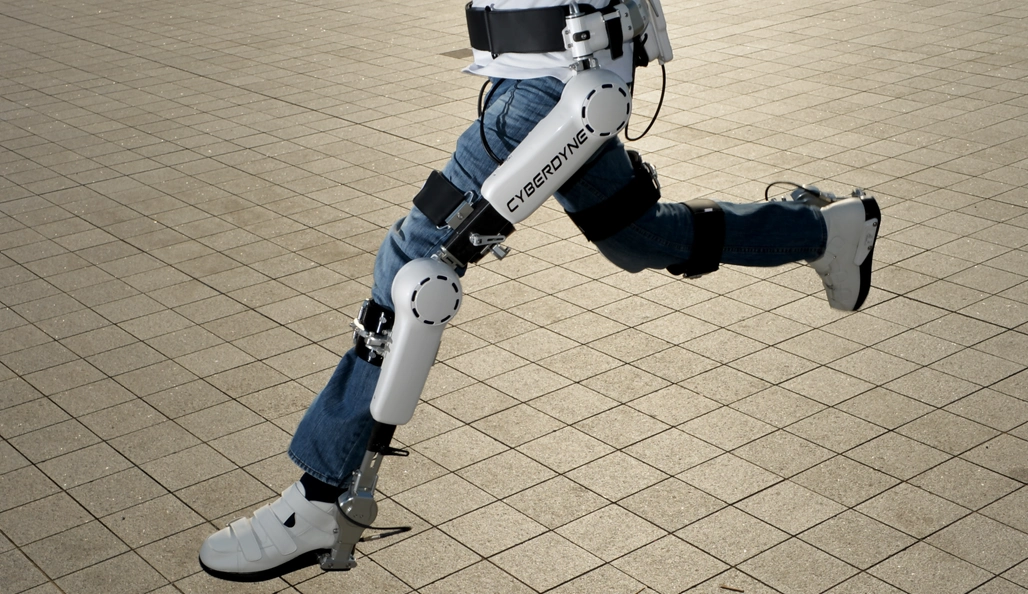
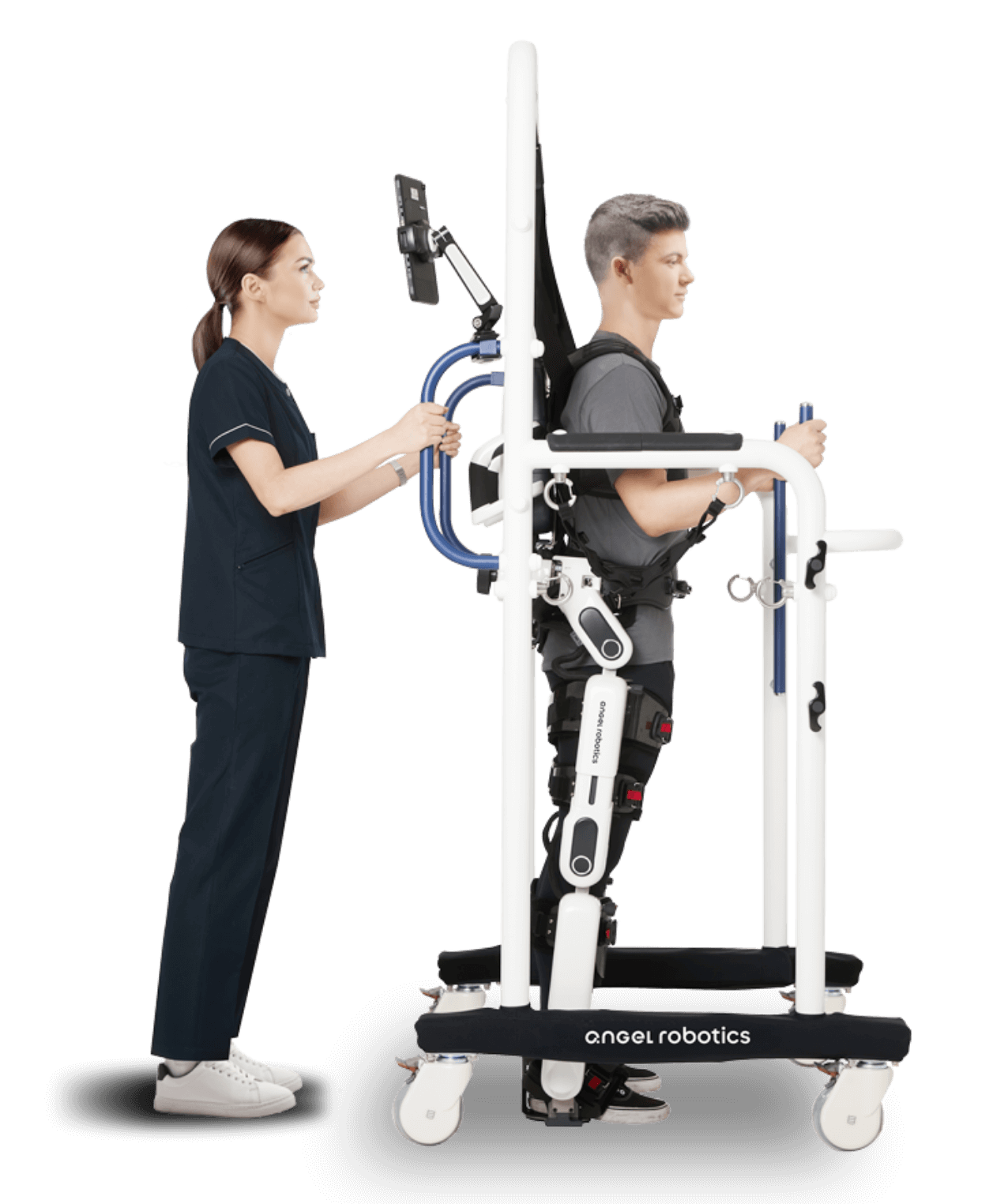
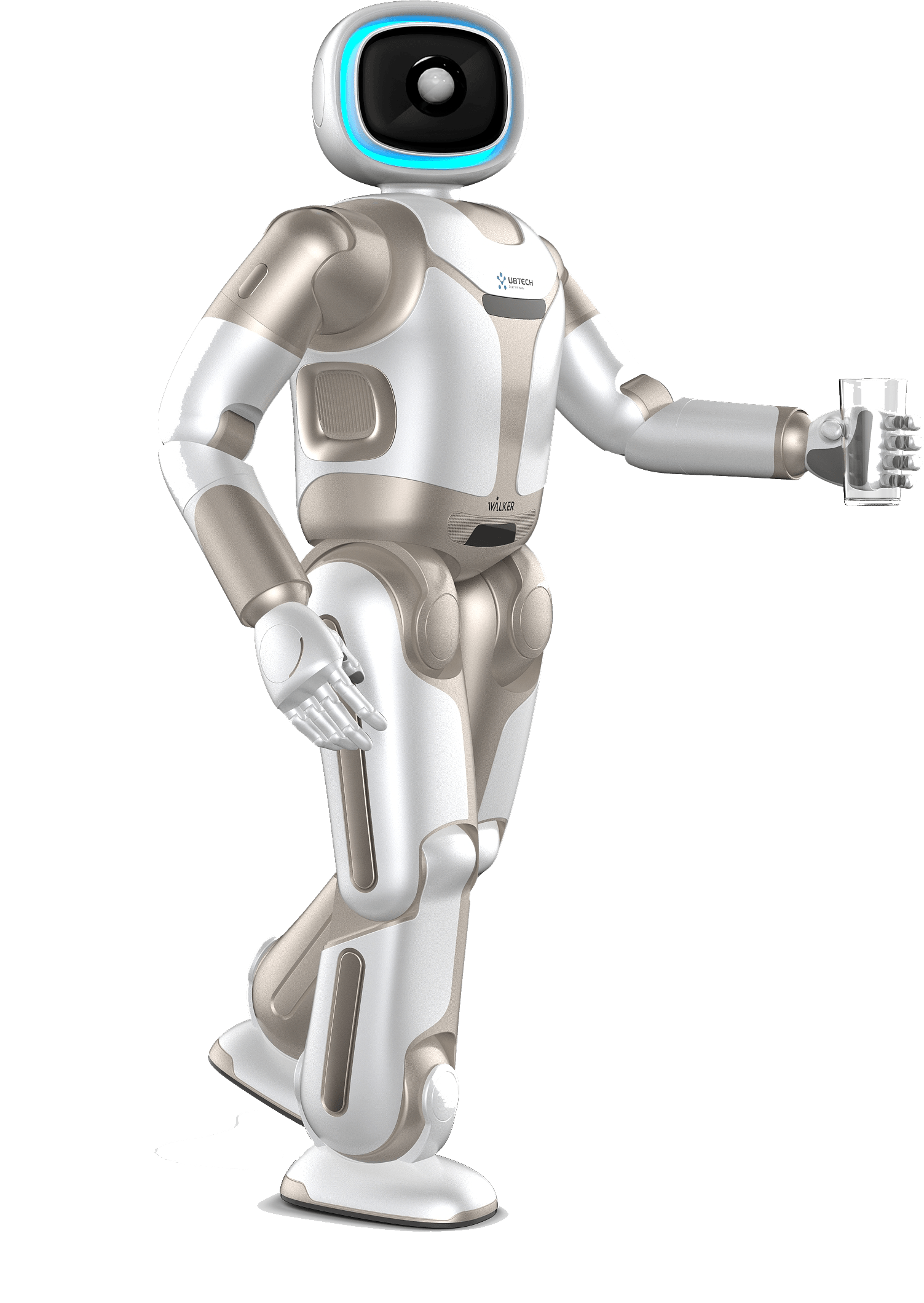

Suggested by topic similarity — not advertising or endorsement.