Papers
5
Total Citations
217
H-Index
5
About
Edward S. Kolesar is a pioneering researcher in the field of robotic tactile sensing and piezoelectric polymer technology, whose work has significantly advanced the capabilities of intelligent robotic systems. Over more than a decade of sustained research, Kolesar developed and refined electrically multiplexed tactile sensor arrays fabricated from polyvinylidene fluoride (PVDF) polymer films integrated with monolithic silicon circuits — a breakthrough approach that enabled robots to perceive and image physical objects with remarkable precision. His most influential contribution, "Object Imaging with a Piezoelectric Robotic Tactile Sensor" (1995), has garnered 108 citations and demonstrated an 8×8 electrode matrix capable of two-dimensional object recognition, representing a substantial leap from his earlier 5×5 array designs explored in his 1992 work (50 citations). Kolesar's research trajectory — beginning with foundational array fabrication studies in 1989 and continuing through multiple refinements into the early 2000s — reflects a methodical commitment to translating piezoelectric materials science into practical robotic sensing solutions. His cumulative body of work, totaling over 200 citations, has provided essential groundwork for subsequent generations of researchers developing sensitive, responsive tactile interfaces for robotics and human-machine interaction applications.
Research Focus
Key Achievements
Top Papers
- 1Object imaging with a piezoelectric robotic tactile sensor108 citations · 1995
- 2Multiplexed piezoelectric polymer tactile sensor50 citations · 1992
- 3
- 4Object imaging with a piezoelectric robotic tactile sensor11 citations · 2002
- 5Piezoelectric polymer tactile sensor arrays for robotics10 citations · 1989
Key Collaborators
Related papers
- Object imaging with a piezoelectric robotic tactile sensor
- Object imaging with a piezoelectric robotic tactile sensor
- Multiplexed piezoelectric polymer tactile sensor
- Robotic tactile sensor array fabricated from a piezoelectric polyvinylidene fluoride film
- Piezoelectric polymer tactile sensor arrays for robotics
Researchers in this area
Labs working in this area
If you're exploring the applied side
Commercial systems in adjacent areas you may find useful as a starting point. This is not a claim that the research here is used in them — academia and industry often move on separate tracks.
- Related commercial systems
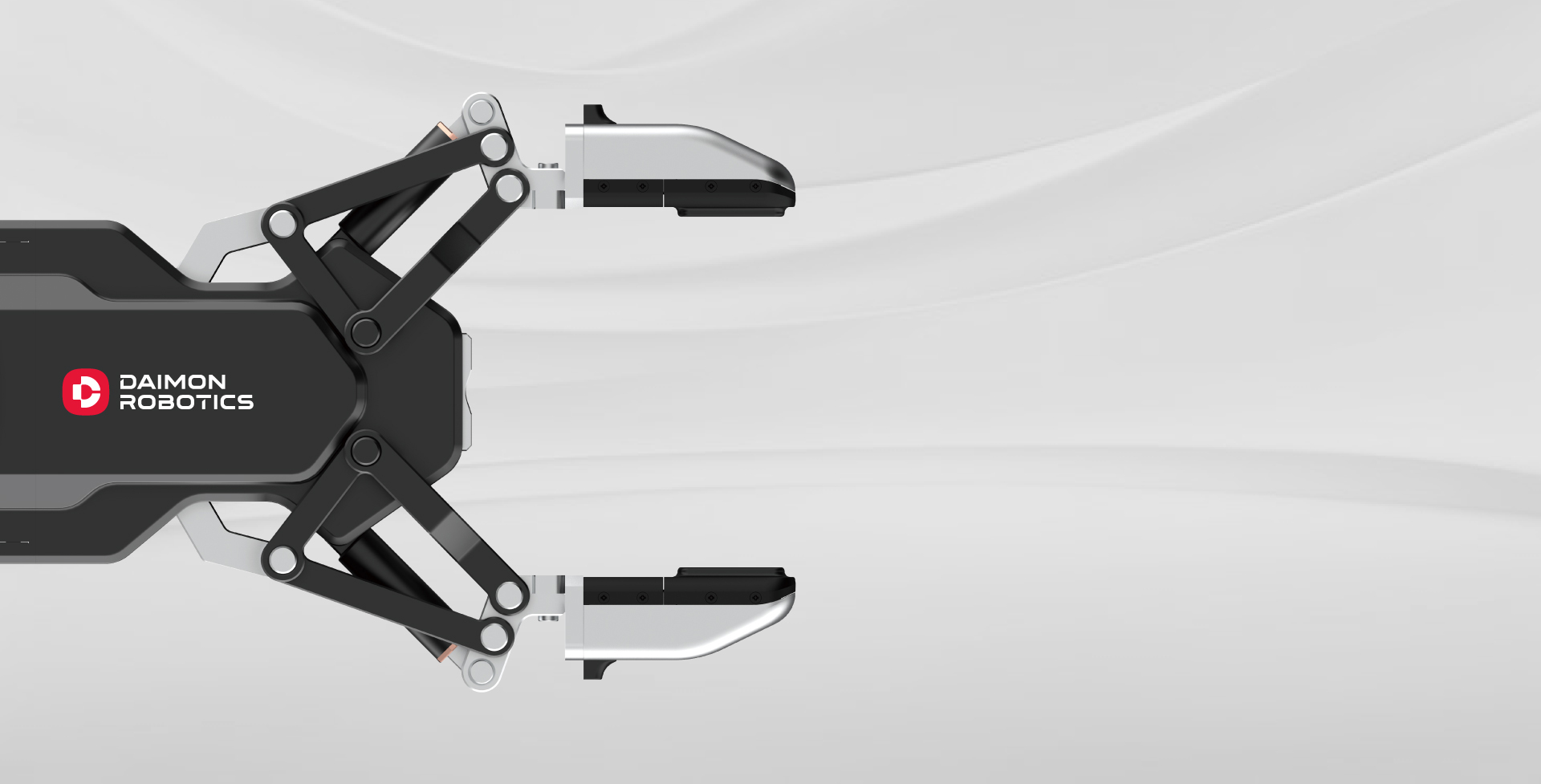 DM-Tac GDaimon Robotics
Suggested by topic similarity — not advertising or endorsement.