Let's compare
Tron 1
Apptronik Apollo
Not yet assessed
- Height
- —
- Payload
- —
- Verified autonomy
- not assessed
- Real deployment
- not assessed
- Status
- —
- Price
- —
Tron 1
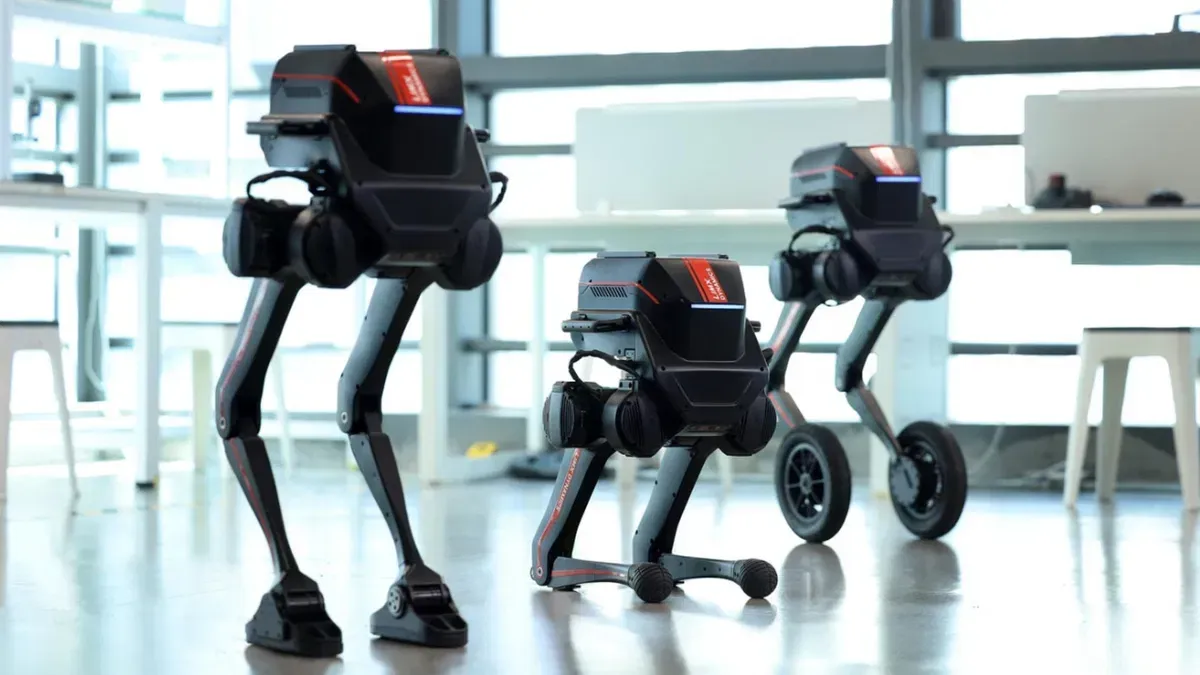
Apptronik ApolloThe LimX Dynamics Tron 1 is the world's first multi-modal biped robot. It stands 80 cm tall, weighs 20 kg, and reaches a locomotion speed of 3.6 km/h. It features three locomotion modes: walking, point-foot balancing, and high-speed wheeled motion. The robot comes with an open SDK, Python support, and compatibility with Isaac and MuJoCo simulation platforms. Its modular design allows transformation into a humanoid walker, fast wheeled platform, or balance bot. It supports integration of sensors, AI modules, and custom software. Languages include English and German. Battery type is Lithium-ion. Status: In production. Price: approximately 15k.
Availability
Specification
- Three locomotion modes
- walking, point-foot balancing, high-speed wheeled motion
- Modular design
- can be transformed into humanoid walker, fast wheeled platform, or balance bot
- Languages
- English, German
- First multi-modal biped robot
- Open SDK with Python support
- Compatible with Isaac and MuJoCo simulation platforms
- Supports integration of sensors, AI modules, and custom software
Price
No public price — contact the supplier for a quote.
Good · Bad · Ugly
Evidence-graded claims from the Apptronik Apollo deep report
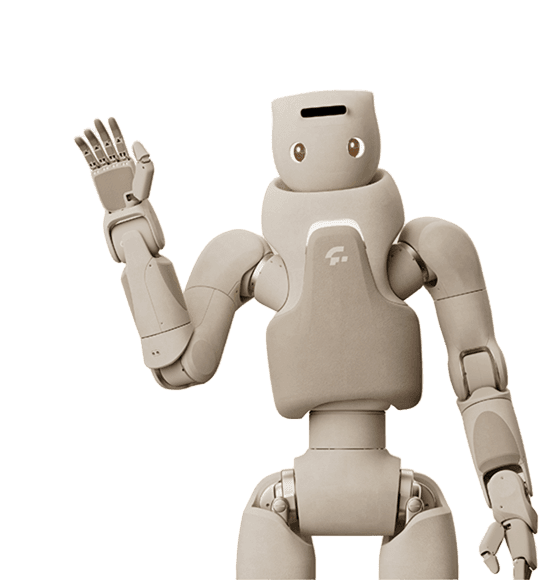
Apollo is in active commercial pilots (not just demos) at Mercedes-Benz, GXO Logistics, and Jabil.
CNBC [6] independently reports active commercial pilots at all three named enterprise customers, corroborating official claims [1][10]; however, the scale (number of units, task success rates, and commercial terms) remains undisclosed.
from Apptronik Apollo deep report →
Apollo has a 55 lb (25 kg) payload capacity and 71 degrees of freedom.
Payload is confirmed across official [1] and commerce sources [5][7], but no independent third-party physical test or teardown verifies these specs under real operating conditions; the 71 DOF figure comes from commerce/review sources only [5][7] and is not independently benchmarked.
from Apptronik Apollo deep report →Apollo supports up to 22 hours/day of operation via hot-swappable battery packs (4 hours per pack).
The 4-hour runtime and hot-swap capability are consistent across official [1] and commerce sources [5][7], but no independent field test or customer report confirms 22-hour sustained daily operation in actual deployment conditions.
from Apptronik Apollo deep report →Apptronik has integrated Google DeepMind's Gemini Robotics AI models into Apollo as part of a strategic partnership.
The partnership and integration are confirmed by official press releases [10][11] and LinkedIn/news sources [14], but no independent benchmark, demo review, or third-party assessment verifies what Gemini Robotics integration actually contributes to Apollo's on-robot task performance.
from Apptronik Apollo deep report →Apollo's unit price will reach under $50,000 at scale, with investor expectations of ~$80,000/year by 2027 high-volume delivery.
CNBC [6] reports both the CEO's sub-$50K scale target and the ~$80K/year investor expectation for 2027, but these are forward-looking projections with no current transaction prices disclosed and no independent manufacturing cost analysis to validate either figure.
from Apptronik Apollo deep report →