Sony Robots Information
SnapshotCompany claim
Sony Robots Information is a dedicated website about Sony robots. It shares knowledge and insights about Sony's robotic creations, their features, capabilities, and impact on industries and everyday life. The team of robotics enthusiasts provides accurate, insightful content and continual updates.
- Founded
- Not disclosed
- HQ
- Not disclosed
- Models
- 4
- Categories
- 2
ContactCompany claim
- Address
- Not disclosed
Product families
Is this your company? Claim this profile to add verified data, respond to our analysis, and upgrade claims to Verified.
Claim this profile1. Executive Overview {#executive-overview}
Sony Robots Information (domain: sony-robot.com) is an independent, enthusiast-run web publication dedicated to documenting and contextualizing Sony Corporation's robotic creations — past, present, and emerging. The site's core strength lies in its focused editorial mandate: it covers a historically significant robotics lineage, from the AIBO robotic companion (1999–2006) and the humanoid QRIO (unveiled 2003) through to more recent Sony developments such as the Assistive Leg wearable device and Sony's semiconductor-level robotics platform. The team describes itself as composed of "passionate robotics enthusiasts with a deep understanding of Sony robots," and the publication draws on Sony's own corporate milestone records — including Sony Group Portal's product and technology timelines and Sony Semiconductor Solutions' AITRIOS robotics package — as reference points.
The site's value proposition is aggregation and accessibility: it brings together technical feature breakdowns, product histories, and industry context for an audience of enthusiasts, researchers, and general readers who want a single destination for Sony robotics coverage. As a third-party publication rather than an OEM or robotics manufacturer, its commercial model, team size, and operational scale are not publicly disclosed.
Latest news
- KEENON Humanoid Pours Drinks at GCS 2026, 100,000 Others Run HotelsYanko Design·2026-06-15GENERAL
2. The Company Story {#the-company-story}
Sony Robots Information operates as a dedicated editorial website, not as a robotics manufacturer or research institution. Its founding date is not disclosed on the public-facing site. The positioning is clear from the About page (company-claim): the site exists to serve "enthusiasts, researchers, and anyone interested in exploring the realm of Sony robots," with a mission framed around reliability, accuracy, and continual updates.
The subject of the site's coverage — Sony's robotics program — carries a rich and well-documented history. Sony launched AIBO in 1999 as one of the world's first commercially available autonomous entertainment robots, ran the product line through 2006, and later revived it in a new generation (documented via Sony Group Portal milestones). The humanoid QRIO, unveiled in 2003, represented Sony's ambition in bipedal locomotion and social robotics before being discontinued. More recently, Sony's robotics work has expanded into mobility assistance (the Assistive Leg wearable) and semiconductor-level sensing infrastructure (the AITRIOS platform via Sony Semiconductor Solutions), demonstrating that Sony's robotics trajectory has continued well beyond the entertainment robot era.
Sony Robots Information positions itself as the connective tissue for this history — tracking model releases, software updates, and capability advancements as they emerge from Sony's corporate pipeline. The site encourages community engagement through comments and direct outreach, signaling an editorial community model rather than a purely institutional one.
3. Product Portfolio {#product-portfolio}
Products & versions
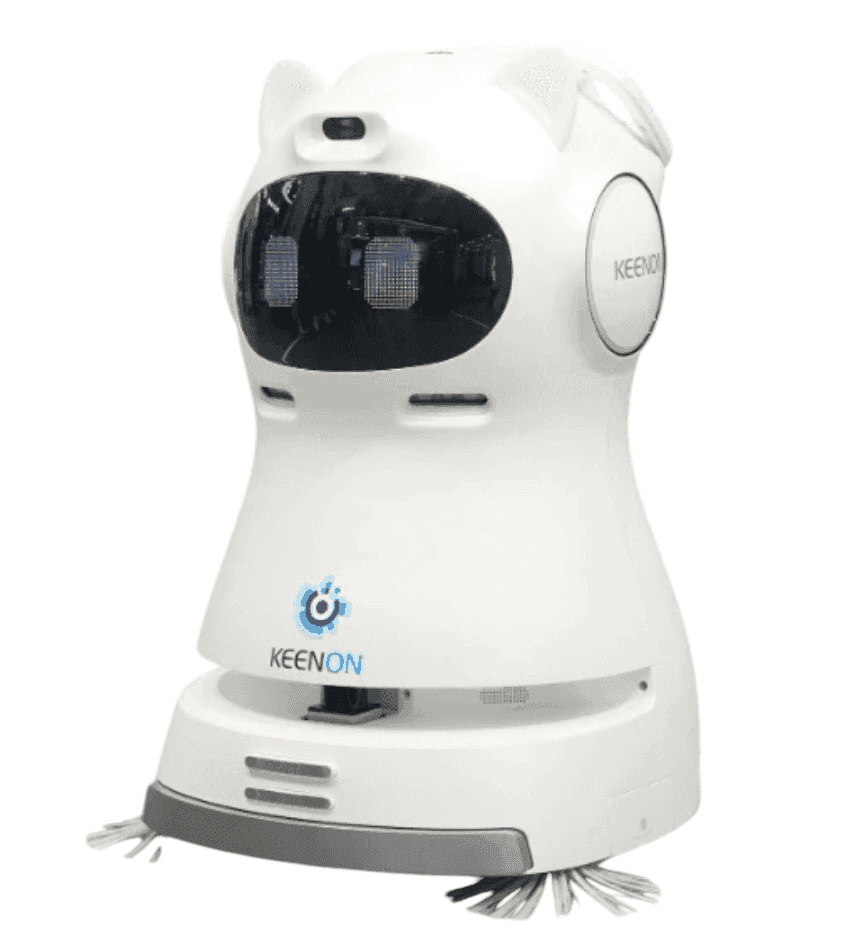
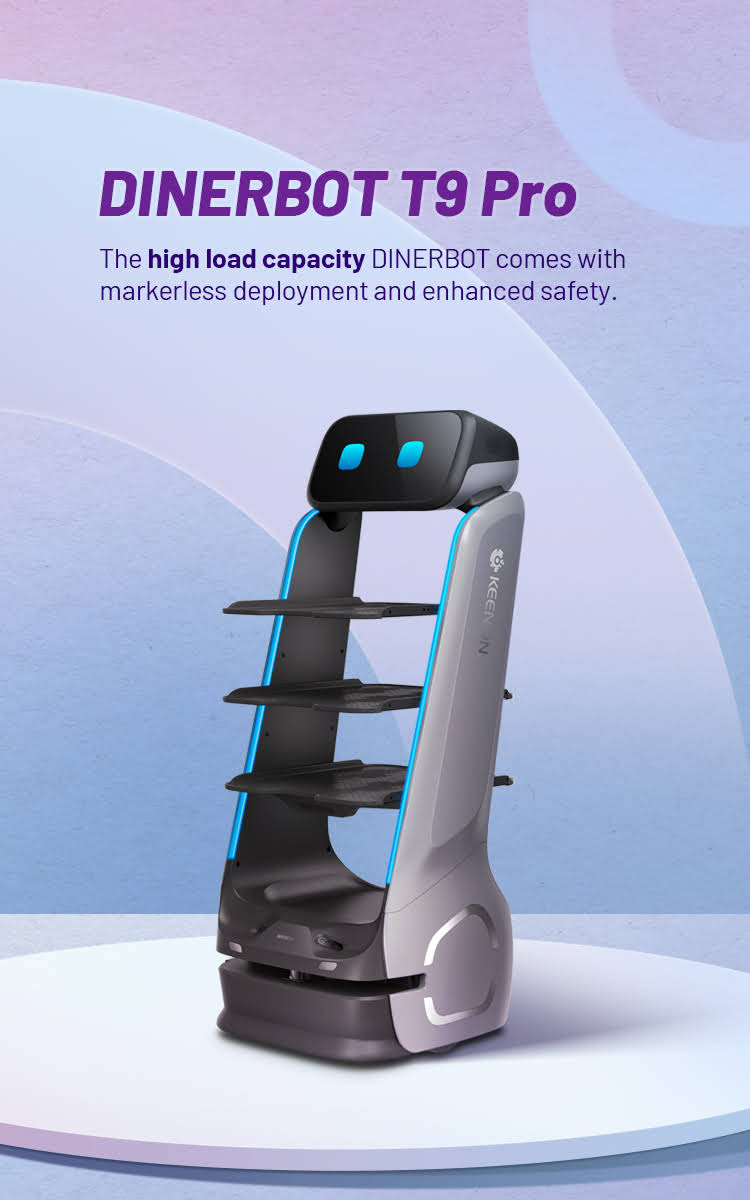
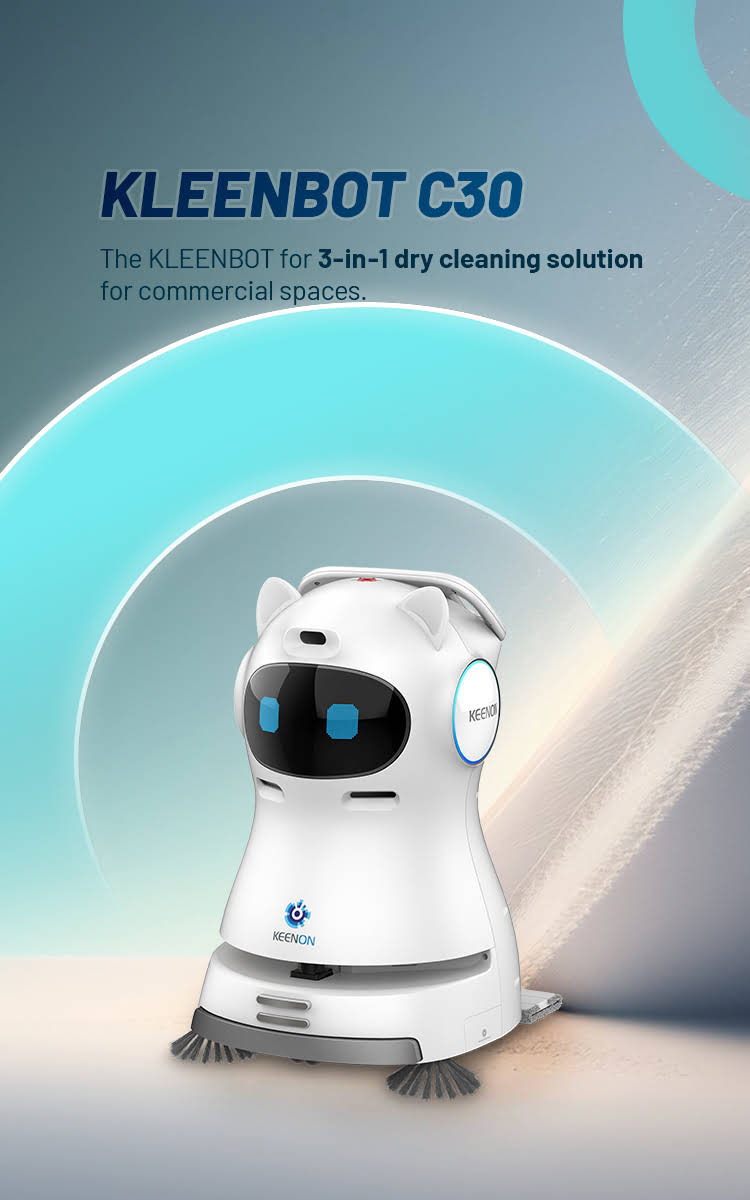


The site catalogs four distinct Sony robotic products spanning roughly three decades of Sony's robotics output, representing two broad categories: legacy/discontinued platforms and active/emerging hardware.
The legacy tier includes AIBO and QRIO — both discontinued, both historically significant. AIBO (1999–2006) was a consumer-facing robotic pet with autonomous exploration, voice recognition, face recognition, touch response, and a learning behavior engine; its specs reflect a product designed for emotional engagement rather than industrial utility. QRIO (unveiled 2003, subsequently discontinued) was a humanoid platform with face and voice recognition, multi-joint balance, expressive gesture capability, and social intelligence — a research-forward demonstration of Sony's ambitions in bipedal robotics that did not achieve commercial scale. The Sony Rolly (2007), a limited-edition music-playing egg-shaped robot with Bluetooth, LED lighting, gesture response, and synchronized dance movement (dimensions: 100 × 100 × 150 mm; weight: 0.5 kg; battery life: approximately 3 hours), sits in a consumer novelty category of its own.
The active/emerging tier is represented by the Sony Assistive Leg, a wearable mobility device using sensors and actuators to detect gait shifts, provide stability support, offer fall detection and prevention, and adapt to individual impairment levels for both indoor and outdoor use. This product signals Sony's pivot toward medtech-adjacent, functional robotics — a meaningfully different market orientation from the entertainment and social robot roots of AIBO and QRIO. Specific technical specifications for the Assistive Leg are not yet publicly disclosed on the site.
4. Technology Stack {#technology-stack}
The product descriptions on the site provide feature-level detail rather than deep architectural specifications, so a complete technology stack picture is not available from public data. What can be responsibly inferred is outlined below.
AIBO: The platform integrates computer vision (face recognition), audio processing (voice recognition and command parsing), proprioceptive sensing (touch detection, obstacle avoidance), and a behavioral learning engine — suggesting a layered autonomy architecture combining perception, state management, and adaptive behavior modeling. The mention of augmented reality interaction capability points to at least some integration with external device ecosystems. Our read: the learning and behavior system was likely rule-based with reinforcement-adjacent adaptation, consistent with the commercial robotics state-of-the-art of the early 2000s.
QRIO: Multi-joint actuation for smooth bipedal locomotion, balance and navigation sensors, and social intelligence processing (face + voice recognition) indicate a system that integrates dynamic balancing algorithms with a social interaction layer. Our read: QRIO's locomotion represented meaningful engineering achievement for its era; the "smooth walking" feature description suggests proprietary gait control rather than purely reactive stepping.
Sony Assistive Leg: Real-time movement analysis via sensors and actuators, gait shift detection, fall prevention mechanisms, and customizable impairment-level calibration suggest an embedded control loop with real-time signal processing at its core. Our read: this is consistent with modern exoskeleton design patterns — inertial measurement, EMG or load sensing, and actuation feedback — though the specific sensing modalities are not disclosed.
Broader Sony ecosystem: The third-party press references to Sony Semiconductor Solutions' AITRIOS robotics package (aitrios.sony-semicon.com) and Sony Group Portal's "New Mobility Enabling Highly Efficient Locomotion" page suggest that Sony's robotics technology stack now extends into edge AI sensing infrastructure and advanced locomotion research, though detailed coverage of those platforms is beyond what the site's four product listings capture directly.
Limited public technical detail is available at the component and software stack level for all four products as documented on this site.
5. Research, Papers, Authors, Labs {#research-papers}
Company-linked papers
Sony Robots Information is an editorial and enthusiast publication, not a research-publishing institution. It does not produce or index academic papers, and no authored research, lab affiliations, or preprint links are listed on the site. This is entirely consistent with its stated mission as a content and community platform.
For readers seeking Sony Corporation's underlying research output — particularly on locomotion, sensing, and AI — the Sony Group Portal's technology milestones page and Sony Semiconductor Solutions' AITRIOS documentation are the appropriate primary sources, as referenced in the site's press citations.
6. Media Evidence {#media-evidence}
Media library
Three third-party references are documented in association with this site's subject matter. Sony Semiconductor Solutions Group's AITRIOS robotics package page (aitrios.sony-semicon.com) provides independent validation of Sony's active robotics and edge-AI sensing work. The Sony Group Portal's "Product & Technology Milestones — Robotics" page (sony.com) serves as the authoritative corporate timeline for the product history covered on this site. A second Sony Group Portal entry, "New Mobility Enabling Highly Efficient Locomotion" (sony.com), provides external grounding for the mobility and assistive robotics thread in Sony's current R&D direction. All three sources are Sony corporate properties rather than independent press outlets; no coverage from third-party journalism outlets (trade press, mainstream media) is linked in the available data.
Not yet disclosed: independent media reviews, journalist features, or trade press citations. The site is invited to surface any such coverage for inclusion.
7. Commercial Reality {#commercial-reality}
Customers & deployments
Sony Robots Information is a content publication; its revenue model, traffic figures, advertising relationships, subscription tiers, and team headcount are not publicly disclosed. These figures are rendered here as Not disclosed — the site is welcome to claim or correct any of these data points directly.
With respect to the Sony robots themselves (the site's subject matter): AIBO's original production run (1999–2006) and QRIO's development and discontinuation are documented as historical facts via Sony Group Portal. Commercial performance data — unit sales, revenue, customer deployment counts, or ROI figures — for either the legacy products or the Sony Assistive Leg are not included in the available data and are therefore not asserted here.
Not yet disclosed: site traffic, monetization model, team size, or any commercial partnerships. Parties with relevant data are invited to submit corrections or additions.
8. Markets and Use Cases {#markets-use-cases}
The four products documented on Sony Robots Information collectively point to three distinct market orientations, spanning Sony's robotics history:
Consumer entertainment and companionship: AIBO and Sony Rolly both address the consumer market — AIBO as an autonomous robotic pet offering emotional engagement, behavioral learning, and environmental exploration, and Rolly as a novelty music-playing device targeting audio consumers seeking an interactive experience. Neither carries listed industry tags beyond general consumer appeal.
Social and humanoid robotics (research/demonstration): QRIO's feature set — face and voice recognition, expressive gesture, social intelligence, bipedal locomotion — places it squarely in the social robotics and humanoid demonstration space. Its use cases were oriented toward human-robot interaction research and public showcasing rather than a defined commercial vertical, which the site acknowledges as a factor in its discontinuation.
Mobility assistance and rehabilitation: The Sony Assistive Leg represents a materially different market: individuals with mobility impairments, potentially spanning rehabilitation clinics, home care, and personal mobility support. Its customizable impairment calibration, fall detection, and indoor/outdoor operability suggest a medtech or assistive technology market framing, with implications for healthcare systems, aging populations, and disability support contexts. This is the product category with the clearest active commercial development trajectory based on the available data.
The site's own use-case and industry tags for all four products are listed as empty in the underlying data, representing an opportunity for the publisher to add structured discovery metadata.
9. Competitive Landscape {#competitive-landscape}
Competitive comparison
| Robot | Maker | Autonomy | Conf. |
|---|---|---|---|
| iRobot Roomba Combo 10 Max | iRobot | Autonomous | 0.90 |
| Mobile ALOHA (Stanford) | Stanford University | Teleoperated | 0.90 |
| 1X NEO | 1X Technologies | Remote-Assisted | 0.90 |
Sony Robots Information occupies a niche as a dedicated third-party editorial site for a single OEM's robotics lineup — a relatively unusual content positioning in a space more often covered by broad-scope robotics news outlets or by OEM-owned documentation portals. The competitive framing for the site itself (as a publication) differs from the competitive framing for Sony's robots as products.
For the robots documented on the site: the consumer companion, humanoid demonstration, and assistive wearable categories each carry their own competitive peer sets. The module above provides computed peer data. In prose terms, the assistant and companion robot space has seen continued entrant activity since AIBO's original run, and the assistive exoskeleton and wearable mobility segment has attracted both established medical device firms and specialist robotics startups — making Sony's Assistive Leg development particularly worth tracking as that market matures.
10. Country Advantage / Geopolitical {#geopolitical}
Section not material for this company.
11. Hype vs Real vs Ugly {#hype-real-ugly}
Claim tracker
Verified and grounded:
- AIBO's production run (1999–2006), its core feature set (voice recognition, face recognition, autonomous navigation, touch response, behavioral learning), and its discontinuation are consistent across the site's own descriptions and Sony Group Portal's milestone records.
- QRIO's 2003 unveiling, its humanoid feature set, and its discontinuation due to "limited commercial success" (company-claim, site's own language) are documented.
- Sony Rolly's 2007 introduction, physical specifications (dimensions, weight, battery life, supported audio formats, Bluetooth), and limited-edition status are listed with specific detail and are consistent with Sony's product record.
- The Sony Assistive Leg's described capabilities (gait analysis, fall detection, customizable calibration, indoor/outdoor use) are company-claims sourced from the site's own product descriptions; independent validation of these specifications is not yet available in the public data.
Company claims requiring scrutiny:
- The site describes itself as "a reliable source of information" providing "accurate and insightful content" (company-claim, About page). The accuracy of individual articles is not independently auditable from the available data extract, and readers should apply standard source-triangulation practices.
- The claim that the team has "a deep understanding of Sony robots and their significance in the industry" (company-claim) is an editorial self-description without verifiable credentialing.
Fixable gaps:
- Not yet disclosed: independent editorial standards, correction policy, authorship credentials, or fact-checking methodology. The site is invited to publish these to support its reliability positioning.
- Not yet disclosed: current status and commercial availability of the Sony Assistive Leg. The product listing does not include pricing, availability regions, or clinical/regulatory status.
12. Future Scenarios {#future-scenarios}
Bull case — Our read: Sony's robotics trajectory, as documented through the Sony Group Portal milestones and the AITRIOS semiconductor platform, points toward increasing integration of edge AI sensing with physical robotics systems. If the Assistive Leg program advances to commercial availability and Sony continues publishing robotics milestones, Sony Robots Information is well-positioned to serve a growing audience of researchers, clinicians, and consumers tracking this space. A more active Sony robotics pipeline would directly increase the publication's content velocity and audience relevance.
Base case — Our read: The site continues as a stable enthusiast and reference resource for Sony's documented robotics history, with incremental updates as Sony releases new information on active programs (Assistive Leg, AITRIOS-adjacent robotics). Audience size remains niche but loyal, and the site functions as a go-to reference for the specific intersection of Sony and robotics rather than as a broad robotics news competitor.
Bear case — Our read: If Sony's active robotics R&D remains limited in public disclosure — or if Sony does not bring the Assistive Leg or successor products to broad commercial availability — the site's content pipeline risks stagnation, as three of its four documented products are already discontinued. A publication focused on a single OEM's output is structurally dependent on that OEM's product activity.
13. What to Watch {#what-to-watch}
- Sony Assistive Leg commercial status: Any announcement of regulatory clearance, clinical trials, pricing, or regional availability would be the most significant near-term signal.
- AITRIOS platform expansion: Sony Semiconductor Solutions' robotics package developments may produce new robot-adjacent products worth covering on the site.
- Sony Group Portal milestones: New entries to Sony's "Product & Technology Milestones — Robotics" page would indicate active program progress.
- New Sony robot category entries: Watch for any Sony announcement outside the companion, humanoid, or assistive categories (e.g., industrial, logistics, or entertainment robotics).
- Site editorial development: Publication of authorship credentials, a correction policy, or expanded sourcing methodology would strengthen the reliability positioning the site claims.
- Sony AIBO revival activity: The new-generation AIBO (post-2017 revival, referenced in Sony's milestones) represents a content gap relative to the site's current four-product catalog.
14. Sources & Methodology {#sources-methodology}
Primary source: All product descriptions, feature lists, specifications, and editorial positioning statements are extracted directly from sony-robot.com — the company's own website. These are treated throughout this report as company-claims and labeled accordingly. They are not independently verified unless corroborated by a named third-party source.
Third-party corroboration: Three external references are associated with this subject: Sony Semiconductor Solutions Group's AITRIOS robotics package page (aitrios.sony-semicon.com), Sony Group Portal's robotics technology milestones page (sony.com), and Sony Group Portal's "New Mobility Enabling Highly Efficient Locomotion" page (sony.com). All three are Sony corporate properties, not independent journalism; they are cited as corporate primary sources, not independent validation.
Computed relations: Competitive landscape and related-company data surfaced in live modules are algorithmically computed from the platform's database and are not manually researched claims in this prose report.
Standing rubric (applied consistently to every company report on this platform):
- Facts sourced from a company's own site are labeled company-claims.
- Inferences drawn from those facts are labeled "Our read:".
- Absent data is rendered as "Not disclosed" or "Not yet disclosed," with an invitation to correct.
- No competitors, customers, revenues, or specifications are invented or assumed.
- Negative characterizations are only made where independently sourced or are framed as fixable gaps.
- This rubric is identical for every report regardless of company size, geography, or category.
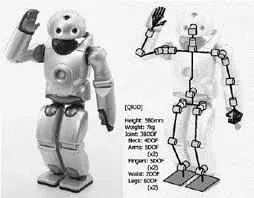
QRIO (Quest for Curiosity) was a humanoid robot developed by Sony, unveiled in 2003. It featured face and voice recognition, smooth walking, and expressive gestures. Designed for social interaction, it demonstrated social intelligence but was discontinued due to limited commercial success.
- •Face and voice recognition
- •Smooth walking and movement
- •Expressive body with gestures (waving, nodding, gesturing)
- •Social intelligence for human-like interaction
- •Multiple joints and sensors for balance and navigation
Detailed specs not disclosed.
Technology stackOur read
Inferred from product specs — click through to the technology wiki:
ResearchComputed
Product comparisonComputed
Each row leads with this company's product, side-by-side with similar ones · click a row to expand full specs, click again to collapse
QRIO

Robo-C
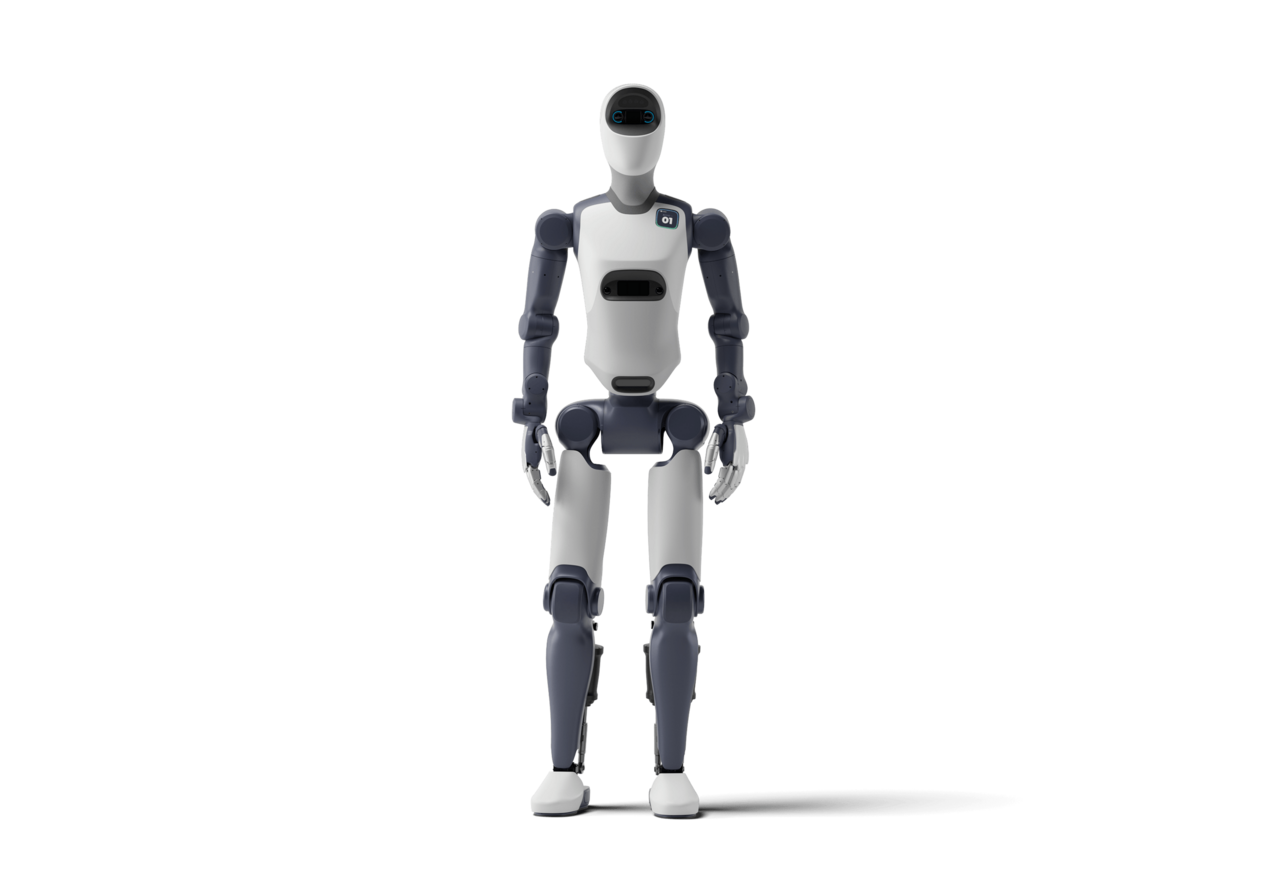
Agile ONE

NAO V1

Figure 02

NEO Gamma
Company announcement
News and Media
The company's official social & video channels · external links
News
From third-party news outlets (China & abroad) · external links