Seoul Robotics
US · seoulrobotics.org
SnapshotCompany claim
Seoul Robotics is a company based in the US.
- Founded
- Not disclosed
- HQ
- US
- Models
- 1
- Categories
- 1
Product families
Is this your company? Claim this profile to add verified data, respond to our analysis, and upgrade claims to Verified.
Claim this profile1. Executive Overview {#executive-overview}
Seoul Robotics is a US-based robotics company with a commercial product focus on autonomous delivery robots designed for indoor service environments. Its flagship platform, the shop-2, is a purpose-built delivery robot offering a 20 kg payload, 1.5 m/s travel speed, and a 10-hour operating battery life — specifications that position it squarely in the operational-grade tier of hospitality and food-service automation. The company's name and a documented association with Seoul Metropolitan Government initiatives (English.seoul.go.kr, 2023) suggest meaningful engagement with the Korean market alongside its US base, and independent press attention from outlets including AP News and LIDAR Magazine indicates a public profile that extends beyond self-promotion.
The company's core value proposition centers on compact, practical delivery automation for restaurants and hotels — a market segment experiencing sustained demand pressure from labor costs and changing service expectations. With a physical footprint of 500 × 500 × 1,250 mm and a dual-tray configuration, the shop-2 is engineered for real-world corridor and floor-plan constraints rather than warehouse-scale environments.
Foundational details — including founding year, leadership team, funding status, and total deployment count — are not publicly disclosed on the company's site. These represent the primary gaps in the publicly available intelligence picture.
Latest news
- KEENON Humanoid Pours Drinks at GCS 2026, 100,000 Others Run HotelsYanko Design·2026-06-15GENERAL
2. The Company Story {#the-company-story}
Seoul Robotics is incorporated in the United States, though its name and at least one documented government-level deployment connection point to South Korea as a key operational or partnership market. The company's appearance in a Seoul Metropolitan Government release (July 2023) on robotic services for care facilities, and an AP News feature (May 2026) covering South Korea's AI-robot ambitions — specifically noting workers and service robots in real environments — suggests Seoul Robotics is participating in, or at minimum adjacent to, a broader national push toward service-robot deployment in East Asia.
An earlier mention in LIDAR Magazine (May 2021) under the headline "Seoul Robotics Makes Lidar Discovery" points to a distinct and earlier phase of the company's technical trajectory — one apparently rooted in LiDAR sensing technology. This is notable: it suggests the company may have evolved from a perception/sensor-technology focus toward a full-stack delivery robot product, a path taken by several robotics firms that began with core sensing capabilities and vertically integrated toward complete platforms.
The founding date is not disclosed in available public data. The company's current positioning — a single commercially described delivery robot with well-specified hardware — is consistent with an early-to-mid commercialization stage, where the product definition has solidified but scale disclosures remain limited. Not yet disclosed: founding year, executive team, and funding history. Seoul Robotics is invited to claim or correct this record.
3. Product Portfolio {#product-portfolio}
Products & versions
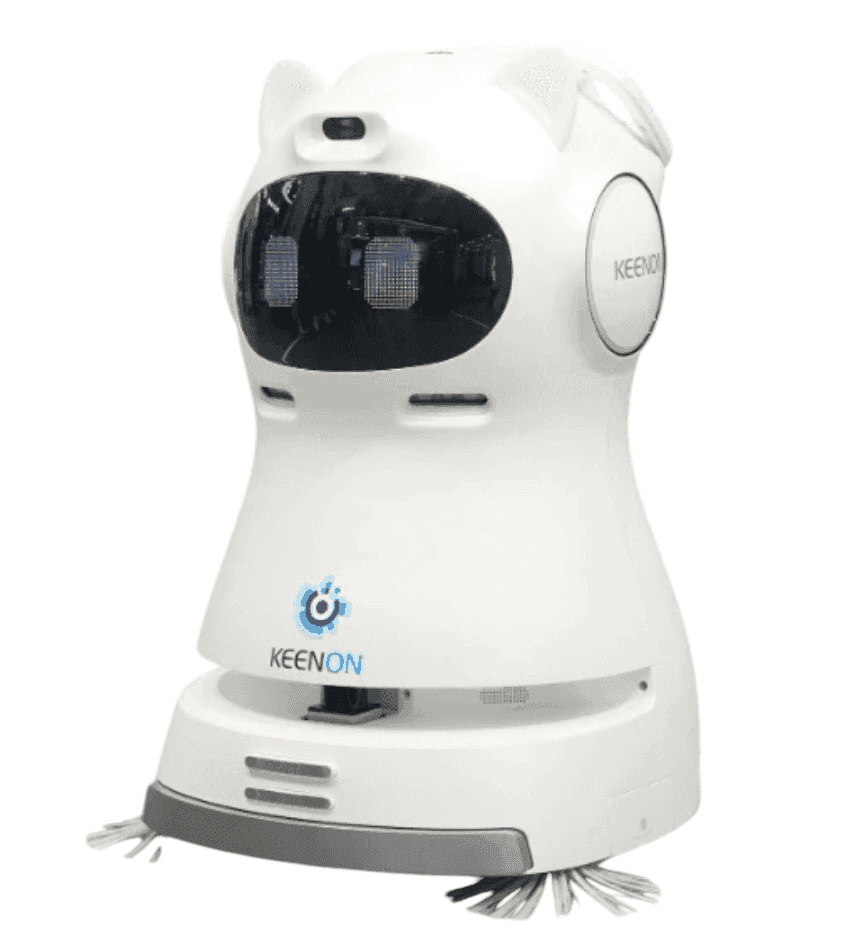
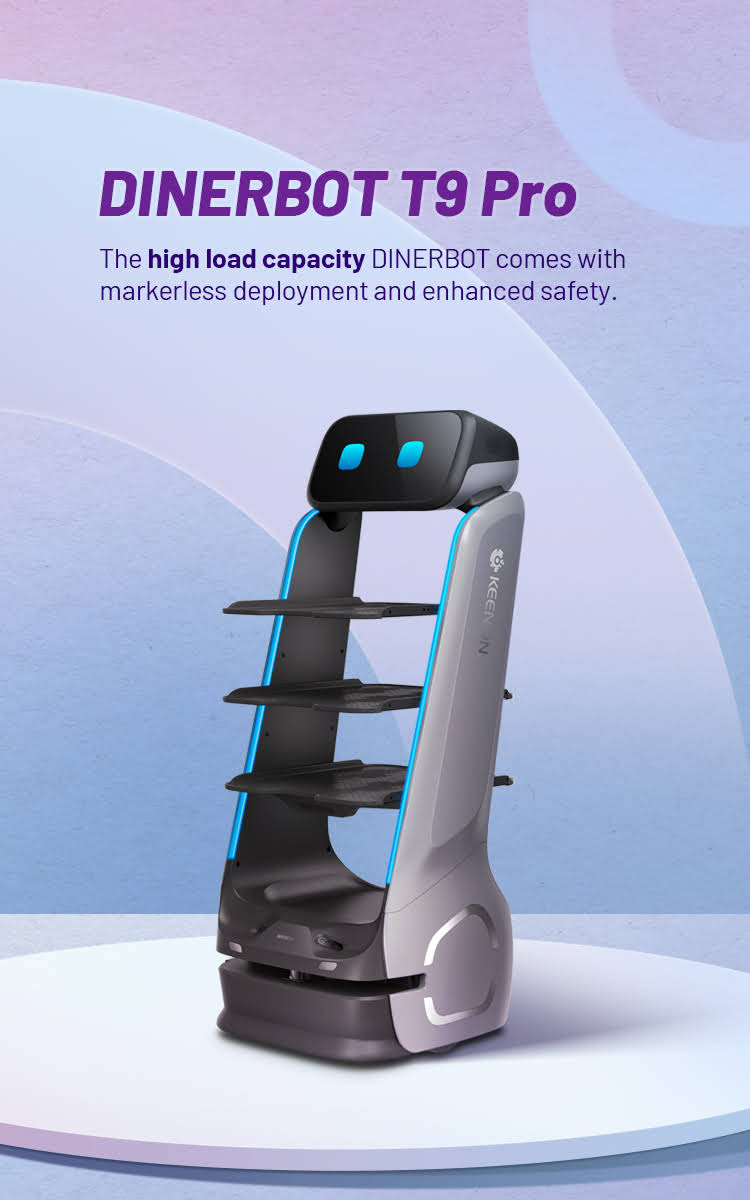
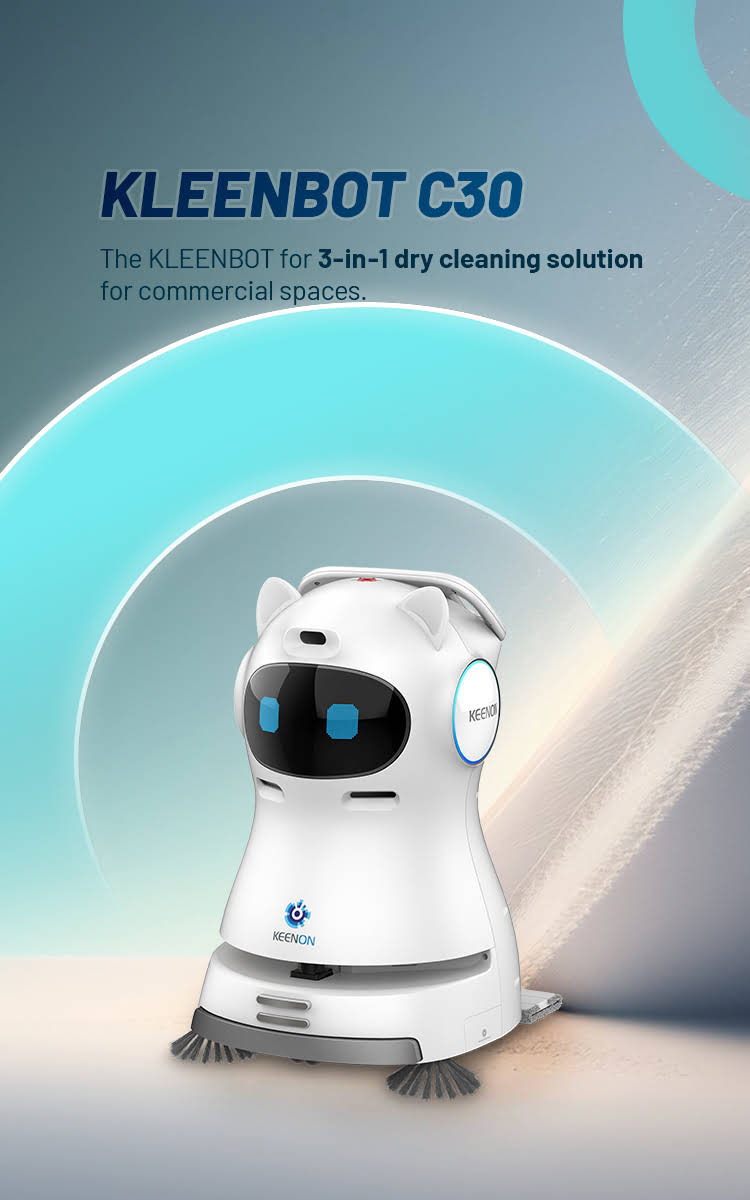


Seoul Robotics' publicly documented product lineup currently centers on a single platform: the shop-2, a wheeled indoor delivery robot. Its published specifications are concrete and operationally meaningful: a 20 kg payload capacity, 1.5 m/s travel speed, 10-hour battery life, and a dual-tray configuration housed in a compact 500 × 500 × 1,250 mm chassis. These figures place it in the mid-tier of commercial service robots — capable enough for sustained multi-delivery shifts in hospitality environments, compact enough to navigate standard doorways and service corridors without infrastructure modification.
The product is tagged for food delivery and room service use cases, with target industries listed as restaurants and hotels. This is a deliberately focused market scope: rather than pursuing the broad-spectrum "autonomous mobile robot" positioning common among larger platforms, the shop-2 addresses a defined last-meter delivery problem in built environments where human labor costs are high and delivery routes are relatively structured and repeatable.
The portfolio as publicly described comprises one product family. Whether additional variants, sensing add-ons, or fleet management software exist is not yet disclosed. Seoul Robotics is invited to share additional product documentation if the lineup has expanded beyond what is reflected on the public site.
4. Technology Stack {#technology-stack}
The clearest public signal about Seoul Robotics' underlying technology comes from external press rather than product documentation. A LIDAR Magazine feature (May 2021) titled "Seoul Robotics Makes Lidar Discovery" establishes that the company had — at minimum as of 2021 — a meaningful technical engagement with LiDAR-based perception. This is an important anchor: LiDAR sensing is used in robotics for simultaneous localization and mapping (SLAM), obstacle detection, and spatial awareness, all of which are foundational capabilities for autonomous indoor navigation.
Our read: The shop-2's ability to operate at 1.5 m/s in unstructured indoor environments (restaurants, hotel corridors) with a 10-hour duty cycle implies an onboard navigation stack capable of dynamic obstacle avoidance and reliable path planning — likely informed by the LiDAR work referenced in 2021. The compact chassis dimensions further suggest the sensor suite is tightly integrated rather than externally mounted, which is consistent with a mature hardware design cycle.
Our read: The dual-tray form factor and the specific payload rating of 20 kg suggest load-aware motion control — the robot must account for shifting center of mass during loaded operation, which requires either conservative speed profiling or active load sensing. Whether this is handled in firmware or through dedicated hardware is not publicly specified.
Limited public technical detail is available on the software architecture, fleet management layer, cloud connectivity, or the specific SLAM/navigation algorithms employed. Not yet disclosed: autonomy stack details, sensor make/model, software platform, and any third-party technology partnerships. Seoul Robotics is invited to supplement this record.
5. Research, Papers, Authors, Labs {#research-papers}
Company-linked papers
Seoul Robotics does not appear to be an academic research publisher in the conventional sense. No peer-reviewed papers, preprints, or named research lab affiliations are surfaced in the available data. This is consistent with the profile of a commercial service-robotics company at the product-deployment stage — most firms in this category direct engineering resources toward product iteration and market deployment rather than academic publication.
The 2021 LIDAR Magazine coverage suggests technical depth in perception, but trade-press coverage is distinct from research publication. If Seoul Robotics has affiliated researchers, patents, or technical white papers it wishes to surface, the company is invited to submit that information for inclusion.
6. Media Evidence {#media-evidence}
Media library
Three independent press placements are documented in the available data. LIDAR Magazine (lidarmag.com, May 2021) covered Seoul Robotics in the context of a LiDAR-related technical development — an industry-specialist outlet whose coverage signals credibility within the sensing and robotics engineering community. Seoul Metropolitan Government (english.seoul.go.kr, July 2023) referenced the company in the context of robotic services for care facilities, representing government-level acknowledgment of its technology in a public-service context. AP News (apnews.com, May 2026) included Seoul Robotics or its market context in a piece on South Korea's AI-robot ambitions, a high-reach general-audience outlet that lends mainstream visibility.
Taken together, these three placements span a technical trade press, a municipal government channel, and a global wire service — a breadth of coverage that suggests the company's profile is not limited to a single geography or audience type.
7. Commercial Reality {#commercial-reality}
Customers & deployments
Revenue, customer count, named deployment sites, and return-on-investment figures are not disclosed in any publicly available source reviewed for this report. The product specifications for the shop-2 are operationally credible for commercial deployment, and the Seoul Metropolitan Government press reference (2023) implies at least engagement with, or deployment in, care-facility or public-service contexts — but specific contract details, unit volumes, or financial metrics are not confirmed.
Seoul Robotics is invited to disclose customer references, deployment counts, or aggregated performance data. Verified commercial evidence would materially strengthen the company's intelligence profile on this platform.
8. Markets and Use Cases {#markets-use-cases}
The shop-2's use-case tags — food delivery and room service — map to two of the highest-labor-intensity, high-frequency delivery environments in the built world: commercial kitchens and hotel floors. In restaurant settings, the robot's 20 kg payload and dual-tray design support multi-table runs, reducing the number of trips required per service cycle. In hotel environments, room-service delivery represents a well-documented operational bottleneck where robots have seen growing adoption globally, with the 10-hour battery life enabling sustained multi-shift operation without mid-day recharging.
The Seoul Metropolitan Government's 2023 documentation of robotic services for care facilities introduces an adjacent vertical that the core specs could also serve: meal delivery and supply transport in assisted-living or elder-care environments. South Korea's demographic profile — one of the world's most rapidly aging populations — makes this a structurally significant market, and the AP News (2026) coverage of South Korea's AI-robot ambitions in service environments reinforces the macro tailwind behind this use case.
The addressable market geometry, therefore, spans hospitality (restaurants, hotels), potentially elder care, and broader institutional food service — all environments characterized by repetitive, defined delivery routes in GPS-denied indoor spaces, which suits the shop-2's apparent navigation design.
9. Competitive Landscape {#competitive-landscape}
Competitive comparison
| Robot | Maker | Autonomy | Conf. |
|---|---|---|---|
| iRobot Roomba Combo 10 Max | iRobot | Autonomous | 0.90 |
| Mobile ALOHA (Stanford) | Stanford University | Teleoperated | 0.90 |
| 1X NEO | 1X Technologies | Remote-Assisted | 0.90 |
The indoor delivery robot segment serving restaurants and hotels is active and contested, with multiple hardware vendors offering platforms in similar payload and form-factor classes. The defining competitive variables in this category are typically navigation reliability in crowded dynamic environments, fleet software maturity, total cost of ownership, and after-sales service infrastructure. Seoul Robotics' shop-2 competes on the basis of its specific combination of payload capacity, speed, battery duration, and compact dimensions — a configuration tuned for operational practicality rather than maximum specification.
The broader market context, as covered by AP News (2026) in the frame of South Korea's national AI-robot strategy, suggests that the competitive environment is intensifying as both government policy and private investment accelerate deployment. Companies with early deployments and documented operational track records are better positioned to capture institutional and hospitality-chain procurement as the market matures.
10. Country Advantage / Geopolitical {#geopolitical}
Seoul Robotics occupies an interesting dual-geography position: incorporated in the United States, with documented operational and press exposure in South Korea. This is commercially and geopolitically relevant for several reasons.
South Korea has articulated an explicit national strategy around AI and service robotics, as evidenced by the AP News coverage (2026) and the Seoul Metropolitan Government's active programs (2023). Companies with established relationships in that ecosystem — whether through deployments, government pilots, or industry partnerships — benefit from a policy environment that actively funds and procures robotic services, particularly for elder care and public facilities, sectors where South Korea faces acute demographic pressure.
From a supply-chain and regulatory standpoint, operating across US and Korean contexts also provides optionality: the US market offers scale and commercial hospitality volume, while the Korean market offers policy support and a government customer base. Not yet disclosed: the precise nature of the company's Korean operational presence, any government contract details, or R&D location. Seoul Robotics is invited to clarify its multi-geography structure.
11. Hype vs Real vs Ugly {#hype-real-ugly}
Claim tracker
What is verified by independent sources: Seoul Robotics has received coverage from LIDAR Magazine (2021), Seoul Metropolitan Government channels (2023), and AP News (2026) — three distinct, independent outlets across a five-year window. This constitutes a genuine and sustained external press presence, not a single promotional moment.
What is company-claimed: The shop-2's specifications — 20 kg payload, 1.5 m/s speed, 10-hour battery, 500 × 500 × 1,250 mm dimensions, dual-tray configuration — are drawn entirely from Seoul Robotics' own product page and carry company-claim provenance. They are internally consistent and technically plausible for the product category, but have not been independently verified in available sources.
What is genuinely unknown: Deployment scale, customer satisfaction, real-world uptime, and whether the shop-2 is in active commercial production or still in pilot phases are all undisclosed. The gap between a well-specified product page and confirmed at-scale commercial deployment is a common one in service robotics, and the data does not allow resolution of this question in either direction.
Our read: The LiDAR Magazine reference suggests genuine technical substance behind the product, and the government-level press exposure suggests real-world engagement rather than paper products. The absence of customer disclosures is a gap, not evidence of failure — but it is a gap worth monitoring.
12. Future Scenarios {#future-scenarios}
Bull case — Our read: Seoul Robotics converts its documented government and hospitality exposure into reference deployments, uses South Korea's policy-driven robotics market as a launch platform, and scales the shop-2 into hotel and restaurant chains regionally and internationally. The LiDAR-rooted technical heritage provides a defensible navigation advantage, and the company expands its product line to capture adjacent verticals (elder care, healthcare logistics). The dual US-Korea presence becomes a structural advantage as both markets accelerate service-robot adoption.
Base case — Our read: Seoul Robotics maintains a focused niche position in hospitality delivery, growing steadily within the restaurant and hotel segment in markets where it already has traction. Product development iterates on the shop-2 platform — payload variants, software improvements, fleet management tools — without a dramatic expansion of the portfolio. Revenue grows in line with sector adoption rates, and the company remains subscale relative to larger multi-product robotics platforms but viable and cash-generative within its defined scope.
Bear case — Our read: The indoor delivery robot market consolidates around better-capitalized competitors with stronger fleet software ecosystems and brand recognition among large hospitality chains. Without disclosed funding, named customers, or a publicly visible scaling narrative, Seoul Robotics faces procurement hesitation from institutional buyers who prefer established vendors. The single-product portfolio limits cross-sell and makes customer acquisition economics more challenging over time.
13. What to Watch {#what-to-watch}
- Customer and deployment disclosures: Any named restaurant chains, hotel groups, or care facilities confirming shop-2 deployments would be a significant signal of commercial maturity.
- Product line expansion: Introduction of new robot models, payload variants, or a software/fleet-management platform would indicate R&D momentum beyond the current single SKU.
- Funding announcements: Any seed, Series A, or strategic investment disclosure would clarify the company's growth trajectory and runway.
- South Korea government contracts: Follow Seoul Metropolitan Government and national-level robotics procurement announcements for Seoul Robotics involvement, particularly in elder care and public-service contexts.
- LiDAR/perception technology developments: Any follow-on technical press, patents, or partnerships in the sensing layer would clarify whether the 2021 LiDAR work has been commercialized within the shop-2 or spun in a different direction.
- AP News 2026 context: The May 2026 AP News piece on South Korea's AI-robot ambitions is the most recent press data point — monitor for follow-up coverage that may name Seoul Robotics more specifically.
- US market activity: Watch for any US hospitality or foodservice trade press coverage that would confirm domestic commercial traction alongside the Korean market engagement.
14. Sources & Methodology {#sources-methodology}
Primary source: All product specifications, company description, and use-case/industry classifications are drawn from Seoul Robotics' own website (seoulrobotics.org). All such claims carry company-claim provenance and have not been independently verified unless corroborated by a third-party source listed below.
Third-party press sources (independent validation):
- LIDAR Magazine (lidarmag.com) — May 22, 2021
- Seoul Metropolitan Government (english.seoul.go.kr) — July 28, 2023
- AP News (apnews.com) — May 12, 2026
Computed relations and inferences: Where this report draws conclusions beyond direct data (e.g., navigation stack inferences from LiDAR coverage, market positioning analysis), these are explicitly labeled "Our read:" and represent analyst interpretation, not verified fact.
What this report does not do: It does not invent products, customers, revenue figures, partnerships, or specifications not present in the source data. Gaps are identified as gaps and presented with an invitation for the company to claim, correct, or supplement the record.
Rubric (applied uniformly to every company on this platform): Verified strength leads every section. Negative observations are either fixable gaps with a claim/correct invitation, labeled analyst inferences, or labeled company claims. No unsourced negative is stated as fact. This methodology is applied consistently regardless of company size, geography, or product category.

The shop-2 is a delivery robot with a 20 kg payload, 1.5 m/s speed, and 10-hour battery life. It features two trays and a compact 500×500×1250 mm design.
- •20 kg payload capacity
- •1.5 m/s travel speed
- •10-hour battery life
- •Two trays for delivery
- •Compact 500×500×1250 mm size
| Depth | 500 mm |
| Speed | 1.5 m/s |
| Width | 500 mm |
| Height | 1250 mm |
| Payload | 20 kg |
| Trays | 2 |
| Battery | 10 h |
Use cases
Industries
Technology stackOur read
Inferred from product specs — click through to the technology wiki:
ResearchComputed
Product comparisonComputed
Each row leads with this company's product, side-by-side with similar ones · click a row to expand full specs, click again to collapse
shop-2
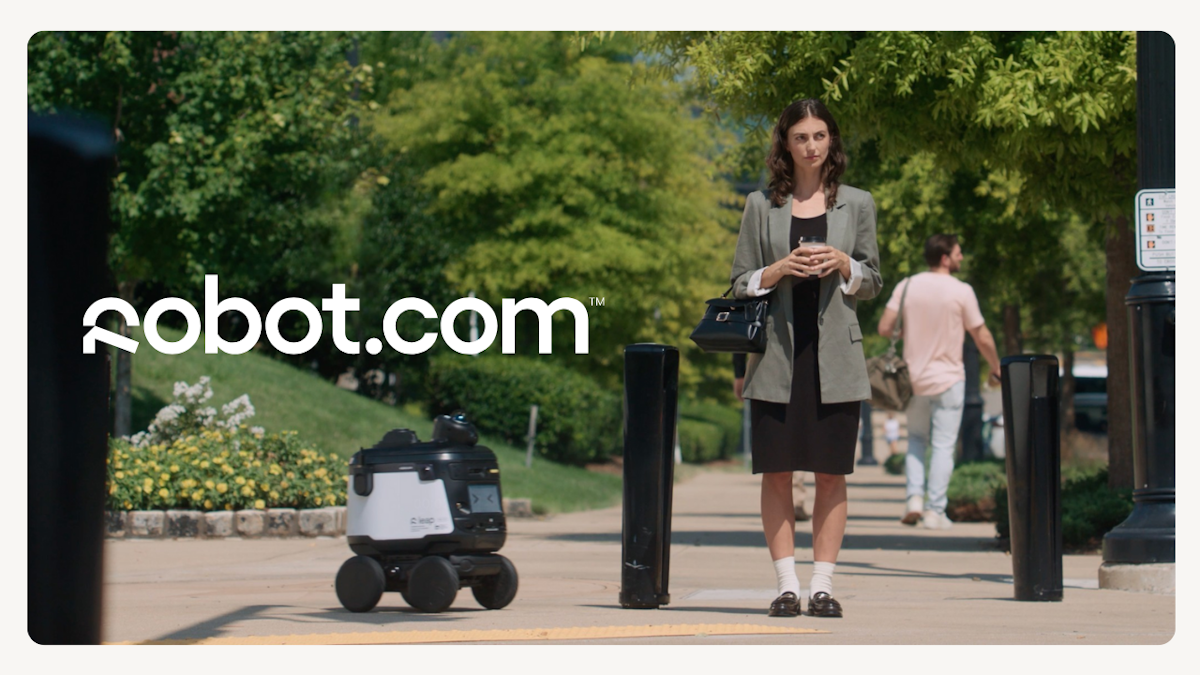
Kiwi Delivery Robot

Starship Delivery Robot
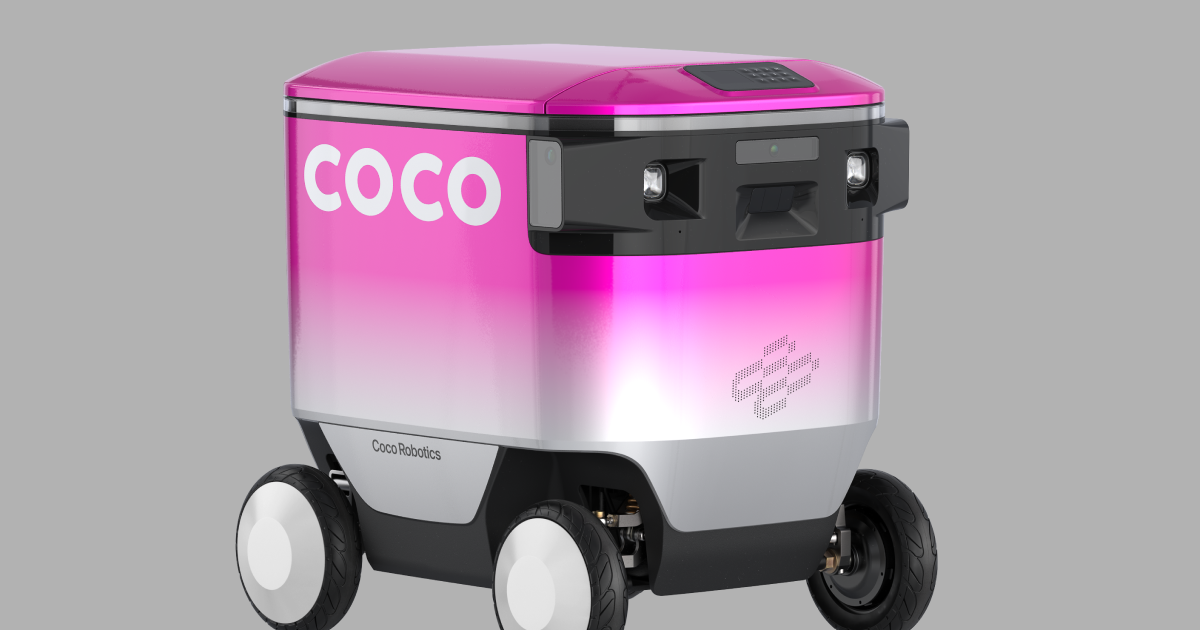
Coco 2

Serve Robotics Gen3 Delivery Robot
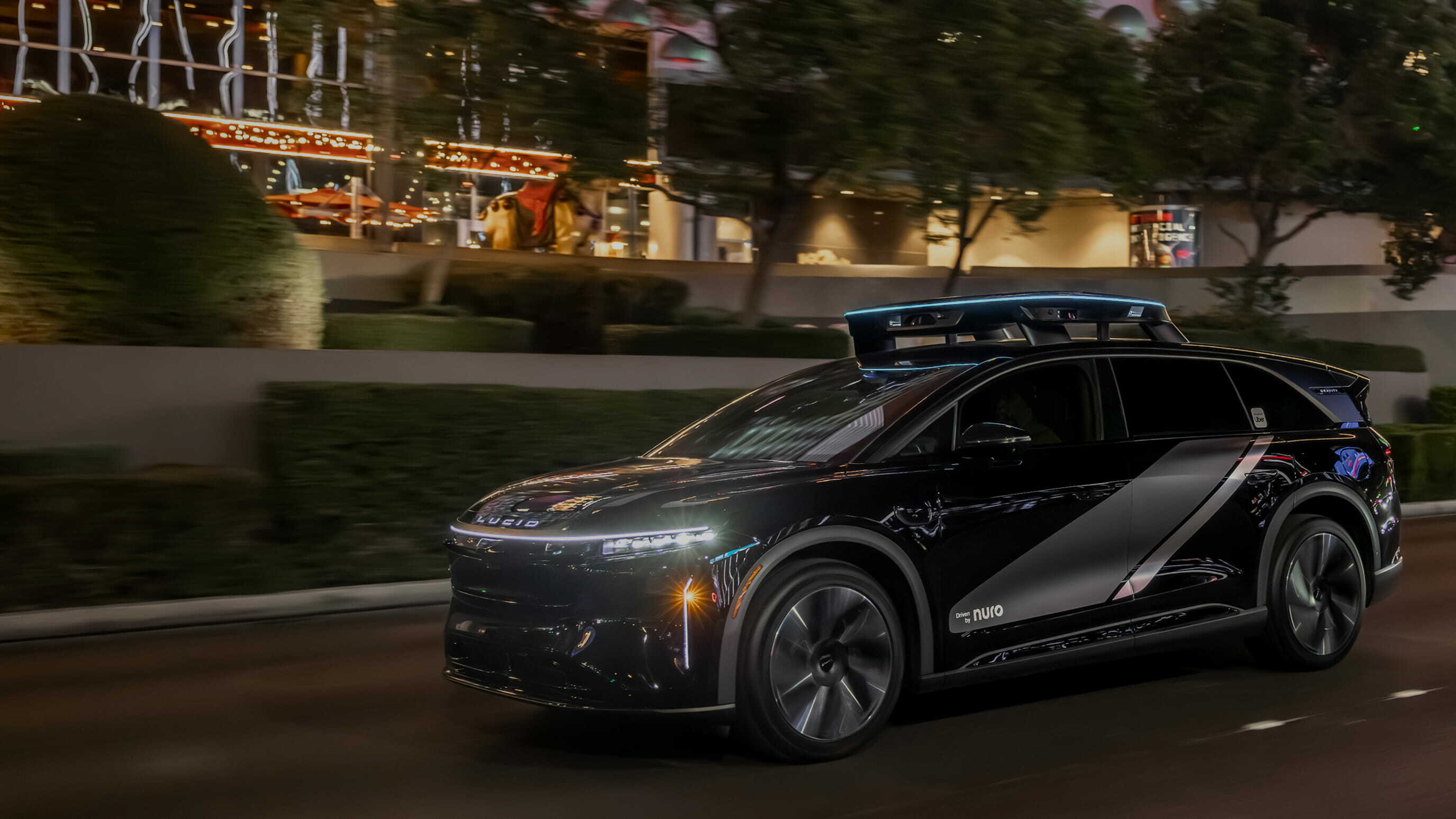
Nuro R3
Company announcement
News and Media
The company's official social & video channels · external links


News
From third-party news outlets (China & abroad) · external links