RobotLAB
Founded 2007 · United States · robotlab.com
SnapshotCompany claim
America's largest commercial robotics integrator. Since 2007, deployed 16,000+ robots for 5,000+ customers across 60+ industries, offering sales, deployment, training, and service solutions.
- Founded
- 2007
- HQ
- United States
- Models
- 182
- Categories
- 9
ContactCompany claim
- Address
- Not disclosed
Product families
Is this your company? Claim this profile to add verified data, respond to our analysis, and upgrade claims to Verified.
Claim this profile1. Executive Overview {#executive-overview}
RobotLAB, founded in 2007 by Elad Inbar and headquartered in Southlake, Texas, occupies a distinctive position in the U.S. commercial robotics market as an integrator rather than a manufacturer. The company's own figures — which should be treated as company claims pending independent verification — describe a scale that few domestic peers can match: $120M+ in robotics delivered, 16,000+ robots deployed, 5,000+ customers served, and 60+ industries reached. Its named customer roster includes Fortune 500 institutions such as Four Seasons, Hilton, Hyatt, Marriott, Mayo Clinic, GSK, and J.P. Morgan, lending credibility to its enterprise positioning. Operating continuously for nearly two decades, across all 50 U.S. states and 20+ franchise locations, RobotLAB has built what appears to be the broadest commercial robotics distribution and service infrastructure in the country.
The company's core value proposition is integration depth, not hardware. RobotLAB explicitly states: "We are not a hardware reseller. We are an integrator. That means we walk every site before we install, we program every route, we train every shift, and we own the relationship for the life of the deployment." This full-lifecycle model — spanning sales, deployment, training, monitoring, and ongoing service — differentiates RobotLAB from both direct manufacturer channels and pure-play hardware distributors. The company works with 22+ manufacturers, a deliberate multi-brand strategy that insulates it from any single vendor's product cycle and allows it to match customer needs across hospitality, healthcare, warehousing, education, and beyond.
Third-party coverage reinforces the scale narrative. Franchise Times (June 2023) reported on RobotLAB's entry into franchising as a growth vehicle. Robotics Tomorrow covered the company's Robotics Innovation Lab opening in Fort Worth. Robotics 24/7 has tracked the company's news and resources over time. These outlets provide independent, named corroboration of the company's continued operational expansion.
Latest news
- KEENON Humanoid Pours Drinks at GCS 2026, 100,000 Others Run HotelsYanko Design·2026-06-15GENERAL
2. The Company Story {#the-company-story}
RobotLAB was founded in 2007 in Dallas, Texas, by Elad Inbar, with an original mission to make robots more useful for education and business. The company began as a classroom robotics startup — an unusually early bet on commercial service robotics at a time when the sector was nascent — and grew organically into a multi-vertical integrator over nearly two decades of continuous operation.
The early years were defined by education. In 2013, Robotics Business Review named RobotLAB an "Educational Game Changer" for its work transforming STEM learning through classroom robotics. In 2014, the company earned a Gold Edison Award in the Education category, was named Best EdTech Company at SXSW EDU, and received the Best STEM Tool designation from EdTech Digest — a cluster of recognitions that established its brand authority in the K-12 and higher-education space. By 2016, Inc. Magazine ranked RobotLAB the fastest-growing education technology company in the United States, signaling a transition from boutique provider to scaled operator. The following year, the company's flagship Engage! K-12 curriculum platform took Best of Show at the TCEA conference, cementing its dual identity as both a hardware integrator and a curriculum developer.
The company's geographic and sectoral expansion followed a franchise model. With 20+ franchise locations and a presence across all 50 states, RobotLAB has built a distributed service infrastructure that few robotics companies of any kind have attempted. In 2023, Franchise Times specifically reported on RobotLAB's deliberate entry into the franchise growth model as a scaling mechanism — an operationally unusual but strategically sensible approach for a company whose value is delivered through on-site human expertise alongside hardware. The Southlake, Texas headquarters (950 E State Highway 114, Suite 160) anchors the network, with bilingual (English and Spanish) sales and support available nationally.
The $120M+ in robotics delivered figure (company claim) reflects cumulative deployment value across commercial service robots from 22+ manufacturers, spanning Pudu Robotics, Bear Robotics, Gausium, LG Business Solutions, SoftBank Robotics, Keenon, UBTech, Cyngn, AgileX, Dobot, Unitree, CenoBots, and others. This manufacturer diversity is deliberate: RobotLAB positions itself as a technology-agnostic partner that can source the best hardware for each use case rather than being locked to a single vendor's roadmap.
3. Product Portfolio {#product-portfolio}
Products & versions
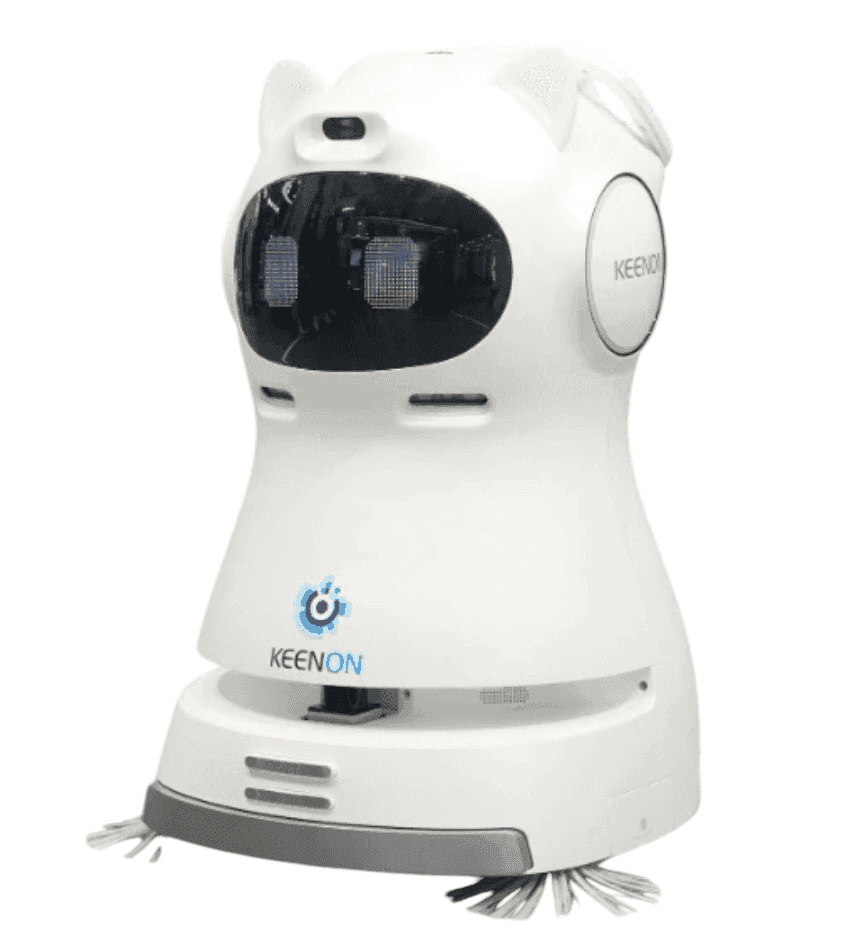
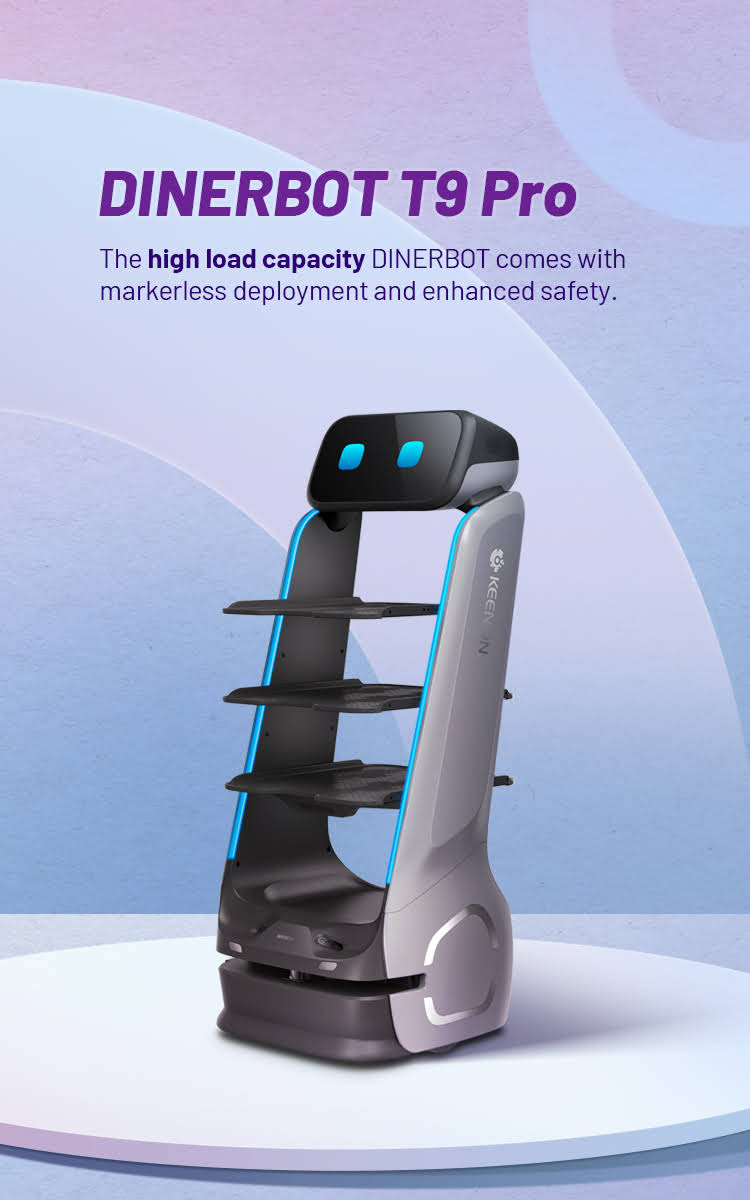
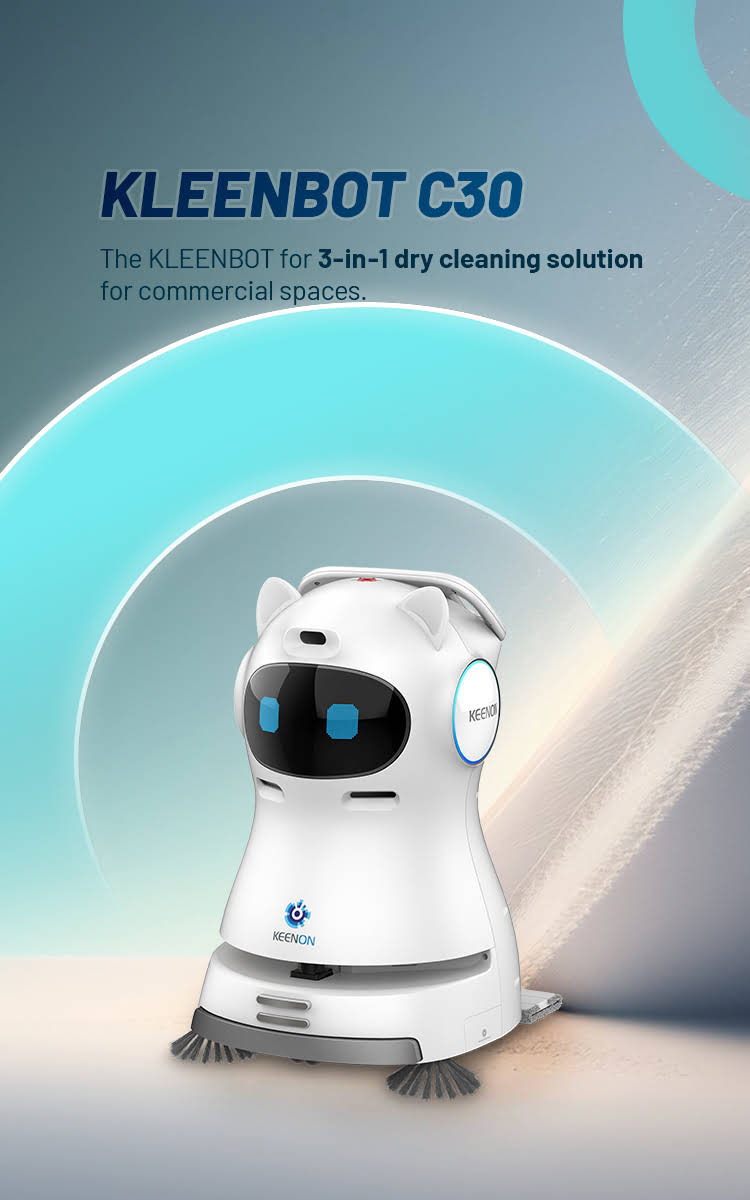


RobotLAB's catalog of 182 products spans six identifiable families, reflecting the breadth of its multi-manufacturer integration strategy.
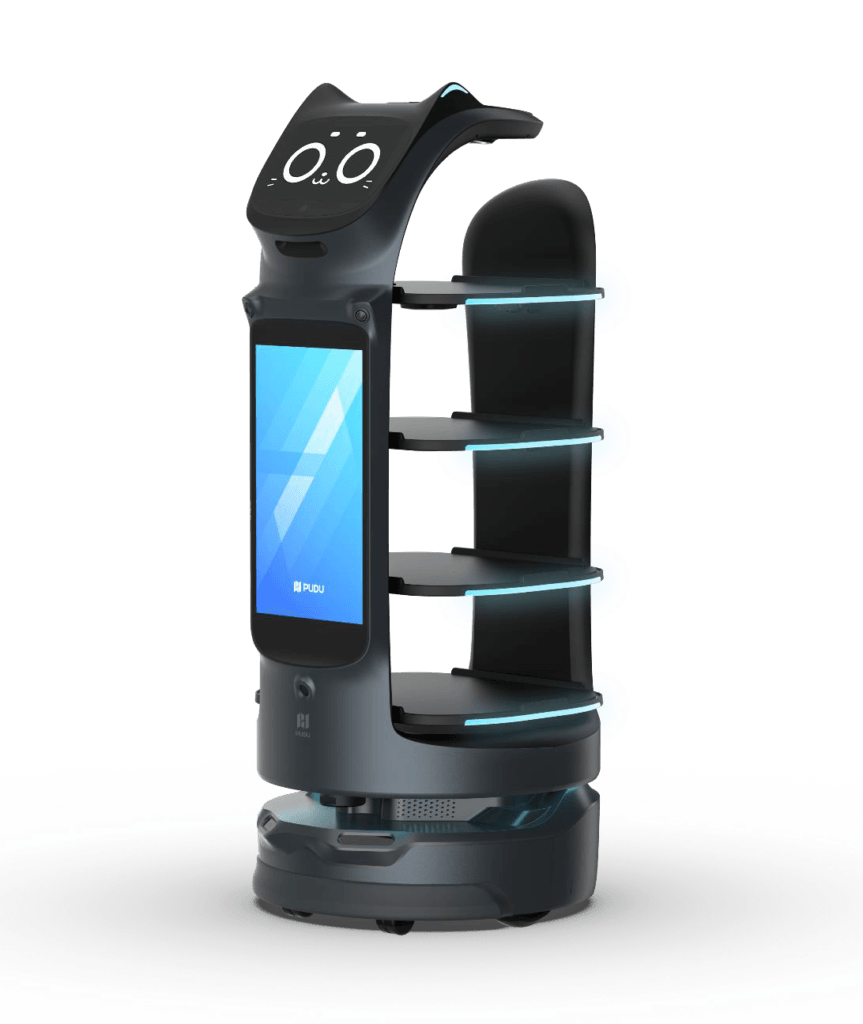
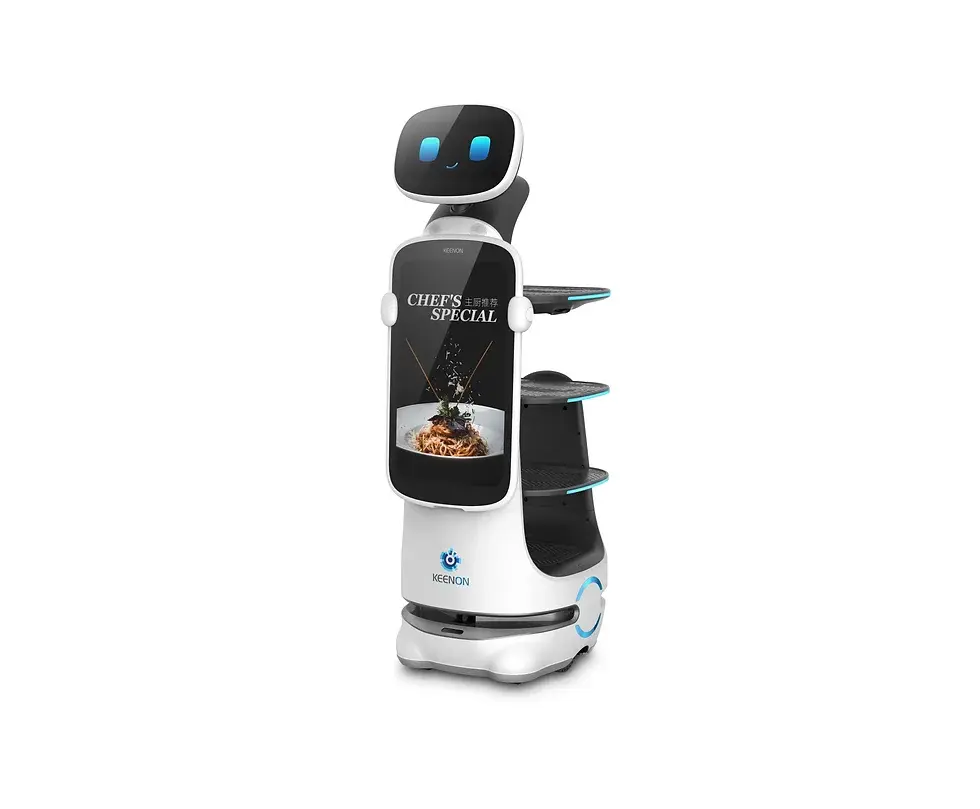
Commercial Service Robots form the largest and most commercially prominent cluster. The delivery robot lineup alone covers a wide price and capability range — from the Serveswift QR Robot at $3,990 to the Pudu FlashBot at $28,000 — with brands including Bear Robotics (Servi, Servi+), Pudu (BellaBot, BellaBot Pro, KettyBot Pro, PuduBot2, FlashBot, FlashBot Max), Keenon (T10, W3, DINERBOT T8), and LG (CLOi ServeBot Advanced, CLOi Room Service, CLOi GuideBot). These robots serve restaurants, hotels, hospitals, and offices, with a consistent feature set of LiDAR/VSLAM navigation, elevator integration, and RobotLAB's proprietary Smart Pass building-automation compatibility. Cleaning robots constitute an equally deep sub-family: autonomous scrubbers and vacuums from LionsBot (R3 Vac, R3 Scrub Pro, R12 Rex CS), Kärcher (KIRA B 50, KIRA B 200, KIRA CV 50), Gausium (Scrubber 50 Pro, Scrubber 75P, Vacuum 40, Phantas 1.3, Beetle), CenoBots (L3, L4, L50, S5), Pudu (MT1, MT1 Max, MT1 Vac, BG1, CC1 Pro, SH1), and SoftBank (Whiz) cover spaces from hotel corridors to industrial warehouses, with cleaning paths from 15 inches to 33+ inches and coverage rates from 5,000 to 49,000+ sq ft/hour. UV-C disinfection is addressed by the UVD Robots Model C at $86,900, offering 7-log pathogen reduction for healthcare and high-risk environments.
Humanoid and Social Robots represent the second major pillar, rooted in RobotLAB's education heritage. The NAO V6 and its numerous bundle configurations (School Starter Pack, Classroom Pack, Lab Pack, AI Edition, RoboCup Edition, Zora healthcare variant) remain the anchor product for K-12 and research customers. Newer additions include the Pudu D9 full-size bipedal humanoid (170 cm, 42 DoF, 275 TOPS compute), Unitree G1, Unitree H2 EDU, Dobot Atom, and UBTech Walker — reflecting RobotLAB's move into the emerging humanoid research and industrial-trial market. SoftBank Pepper and Furhat round out the social/customer-facing humanoid category.
Education and STEM Platforms span the full K-12 arc: early childhood block robotics (Cubelets, Dash & Dot, KaiBot), programmable rovers (AgileX Limo ROS2, Robolink Zumi, Firia Labs CodeBot, CodeAir), drone coding kits (Robolink CoDrone EDU, CoDrone Pro), robotic arms (Dobot Magician V3, Dobot M1, DOBOT Magician E6, Dobot CR5), and turnkey lab bundles (AI Lab, CTE Lab, College STEM Lab, Esports Lab) priced from under $200 to over $112,000.
Outdoor and Research UGVs — the AgileX Scout 2.0, Scout Mini, Bunker, Bunker Mini, Hunter 2.0, Hunter SE, Ranger Mini, and associated Autokit — serve university robotics labs and autonomy R&D teams with ROS/ROS2-compatible open platforms.
Specialty and Adjacent Products include the Blueye X3 and X1 Mini underwater ROVs, the Shark Robotics Colossus firefighting UGV, Botinkit ChefBot autonomous cooking robot, 3D scanning tools (Peel 3, Peel 3 Pro.CAD), and a broad suite of VR/AR classroom hardware.
The portfolio's shape reveals a deliberate completeness strategy: RobotLAB wants to be the single procurement and integration partner across every robotic use case a business or institution might have, from a $250 classroom coding robot to a $960,000 research humanoid.
4. Technology Stack {#technology-stack}
RobotLAB is an integrator, not a hardware or software developer in the traditional sense, so its "technology stack" is best understood at two levels: the capabilities of the third-party hardware it deploys, and the proprietary integration layer it has built around those products.
Navigation and Sensing (across the fleet): The delivery and cleaning robots in the portfolio consistently employ LiDAR-based SLAM (Simultaneous Localization and Mapping) — often in combination with VSLAM (Visual SLAM), RGB-D cameras, ToF sensors, ultrasonic arrays, and IMUs. Specific implementations include Pudu's PuduSLAM algorithm with multi-sensor LiDAR and vision cameras for centimeter-level positioning; CenoBots' 32-beam and 96-beam 3D LiDAR with NVIDIA AI chips (100 TOPS); Gausium's multi-sensor fusion with deep-learning navigation; and the VSLAM+ navigation used across Pudu's FlashBot and MT1 Max platforms. Our read: the industry has broadly converged on LiDAR+camera fusion as the baseline for indoor commercial navigation, and RobotLAB's portfolio reflects this consensus rather than a proprietary navigation advantage.
RobotLAB Smart Pass: This is RobotLAB's own building-integration layer, referenced across the delivery and cleaning product lines as enabling elevator calls, door opener activation, and multi-floor autonomous movement. The feature appears consistently in product listings for Bear Robotics, Pudu, Keenon, LG, CenoBots, and Gausium products. Our read: Smart Pass is likely a middleware or API bridge that translates between the robot manufacturers' native building-interface protocols (e.g., KONE and OTIS elevator APIs, BACnet door controllers) and a unified management layer, allowing RobotLAB to offer consistent multi-floor autonomy regardless of which robot brand is installed. Limited public technical documentation is available on the Smart Pass architecture.
Robots-as-a-Service (RaaS) Infrastructure: RobotLAB offers RaaS pricing across virtually every commercial product line, from $83/month for the Serveswift QR system to $3,385/month for the LionsBot R12 Rex CS industrial scrubber. This implies back-end fleet monitoring, billing, and service-dispatch infrastructure. Our read: the RaaS model requires real-time robot health telemetry, uptime monitoring, and a managed service operations capability — a non-trivial software and logistics investment that represents a durable competitive asset.
AI and Edge Compute (in deployed hardware): Several newer platforms carry significant onboard AI: the Pudu D9 humanoid runs 275 TOPS of onboard compute for 3D semantic mapping; the Dobot Atom carries a 1,500 TOPS edge module running the ROM-1 Robot Operator Model; the CenoBots L3 uses a 100 TOPS NVIDIA chip for autonomous cleaning; and the AgileX R&D Kit Pro integrates an NVIDIA Jetson with ROS pre-installed. RobotLAB's role here is integration and deployment rather than AI development.
Education Technology Stack: RobotLAB's Engage! K-12 curriculum platform is a proprietary curriculum-as-a-service product offering lesson plans, 3D simulation, and progress management aligned to Common Core, NGSS, and TEKS standards. It spans robotics, coding, and AI literacy content, and is a recurring-revenue complement to hardware sales. Not yet disclosed: detailed technical architecture of the Engage! platform, Smart Pass integration protocols, or fleet management software stack. RobotLAB is invited to share technical documentation for verification.
5. Research, Papers, Authors, Labs {#research-papers}
Company-linked papers
RobotLAB is a commercial robotics integrator and curriculum provider, not a research-publishing organization. No academic papers, preprints, or lab affiliations attributed to RobotLAB were identified in the available data. This is entirely typical for service-robotics integration firms of this type: the company's expertise is expressed through deployment scale, integration methodology, and curriculum development rather than through published research. Customers and partners seeking peer-reviewed robotics research should look to the manufacturing partners in RobotLAB's portfolio (Pudu, Unitree, AgileX, Dobot, and others) or to the university research labs that purchase RobotLAB platforms such as the DARWIN OP3, Unitree H2 EDU, and AgileX research rovers for their own R&D programs.
6. Media Evidence {#media-evidence}
Media library
Third-party press coverage identified in the available data includes three named outlets: Robotics 24/7 (robotics247.com) has covered RobotLAB news and resources on an ongoing basis, representing trade-press validation of the company's sector relevance. Franchise Times (franchisetimes.com) published a dedicated article in June 2023 covering RobotLAB's entry into franchising as a scaling strategy — an editorially significant piece given that franchise expansion is a notable strategic move for a robotics integrator. Robotics Tomorrow (roboticstomorrow.com) reported on the opening of RobotLAB's Robotics Innovation Lab in Fort Worth, Texas, providing independent corroboration of the company's physical infrastructure expansion. Together these three outlets — representing trade, business, and industry verticals — provide a baseline of independent press validation. Not yet disclosed: broader earned media coverage, customer case-study publications, or analyst reports. RobotLAB is invited to submit additional press citations for inclusion.
7. Commercial Reality {#commercial-reality}
Customers & deployments
RobotLAB's named customer roster, drawn from its own About page (company claim), includes Four Seasons, Hilton, Hyatt, Marriott, Mayo Clinic, GSK, and J.P. Morgan — a set of enterprise accounts spanning hospitality, healthcare, and financial services that, if verified, would represent significant commercial validation. The BellaBot product listing additionally references Kura Sushi, Las Vegas Sands, IHOP, and Disney as trusted deployments (company claim on product page). These named accounts lend credibility to the 5,000+ customers served figure, though independent verification of the full customer count and deployment depth is not available in the data reviewed.
Revenue and financial metrics: Not disclosed. The $120M+ in robotics delivered figure (company claim) represents cumulative deployment value, not annual revenue, and no annual revenue, ARR, EBITDA, or unit economics data is publicly available. RobotLAB is invited to disclose or correct financial figures for inclusion in future updates.
Customer count and retention: Not disclosed beyond the 5,000+ headline figure. Churn rate, repeat-purchase rate, and average contract value are not publicly available. The RaaS model structure — with monthly fees as low as $83 and as high as $3,385 — implies a recurring-revenue base, but its aggregate size is unknown.
ROI data: Not independently verified. The Pudu SH1 product description claims approximately 70% reduction in cleaning time versus conventional mopping; the Gausium Scrubber 50 Pro claims up to 400% efficiency improvement via auto spot cleaning; these are manufacturer-level claims passed through in product listings rather than independently audited customer ROI studies. RobotLAB is invited to share verified customer ROI case studies.
8. Markets and Use Cases {#markets-use-cases}
RobotLAB's product use-case and industry tagging across its 182-product catalog reveals a coherent multi-vertical strategy with meaningful depth in each segment.
Hospitality and Food Service is the highest-density vertical. Delivery robots from Bear Robotics, Pudu, Keenon, and LG cover restaurants, hotels, and assisted living with food delivery, room service, and dish return use cases. The Keenon W3 and Pudu FlashBot address multi-story hotel contactless delivery specifically, with autonomous elevator integration verified against KONE and OTIS systems. The Botinkit ChefBot extends the restaurant offering into kitchen automation — autonomous stir-frying, grilling, and plating in approximately three minutes per batch — addressing labor cost pressures in quick-service and ghost kitchen environments.
Healthcare and Assisted Living is addressed through multiple product families: UV-C disinfection (UVD Robots Model C, rated to 200,000 sq ft per cycle with 7-log pathogen reduction); delivery robots for medical supply and medication transport (Pudu FlashBot, Keenon W3); the NAO Zora healthcare variant for senior engagement, rehabilitation, and dementia care programming; and cleaning robots rated for hospital-grade filtration (Gausium Vacuum 40 with H13 HEPA filtration; CenoBots L4 with quiet operation for noise-sensitive environments). Mayo Clinic is named as a customer (company claim).
Warehousing, Manufacturing, and Logistics is served by the heavy-duty industrial cleaning segment (LionsBot R12 Rex CS with 140L tanks and 200m LiDAR; Kärcher KIRA B 200 covering 49,406 sq ft/hour; Pudu BG1 Series; Gausium Beetle covering 40,000 m² overnight), the Pudu T300 AMR with 300 kg payload for material transport, the AgileX Tracer AGV at 100 kg payload, and the Unitree B1 industrial quadruped with IP68 weatherproofing and 20 kg walking payload.
K-12 and Higher Education remains the company's longest-established vertical. The product depth here is exceptional: over 60 distinct SKUs address early childhood (Cubelets, Dash & Dot, KaiBot), middle school (Dobot Magician V3, CoDrone EDU, Firia Labs CodeBot), high school (DARWIN OP3, AgileX Limo ROS2, Unitree Go2), and university research (Unitree H2 EDU, AgileX Bunker, AgileX R&D Kit Pro, Walker Humanoid). Turnkey lab bundles — AI Lab ($112,119), CTE Lab ($112,119), College STEM Lab ($32,990), Esports Lab (from $98,930) — address institutional procurement at scale. The Engage! K-12 curriculum platform and companion products (VR kits, iSandbox projected reality, RobotLAB VR Kit for Autism) extend the addressable market beyond physical robotics into digital learning.
Retail and Office deployments center on autonomous cleaning, delivery, wayfinding, and customer engagement robots — particularly from the LG CLOi family, SoftBank Pepper/Whiz, and Temi.
Specialty and Emerging Markets include underwater inspection (Blueye X3 and X1 Mini ROVs), fire and hazmat response (Shark Robotics Colossus, $210,000), and autonomous-driving research (AgileX Hunter 2.0 with Ackermann steering, AgileX Autokit with full Autoware/ROS stack).
9. Competitive Landscape {#competitive-landscape}
Competitive comparison
| Robot | Maker | Autonomy | Conf. |
|---|---|---|---|
| iRobot Roomba Combo 10 Max | iRobot | Autonomous | 0.90 |
| Mobile ALOHA (Stanford) | Stanford University | Teleoperated | 0.90 |
| 1X NEO | 1X Technologies | Remote-Assisted | 0.90 |
RobotLAB occupies the commercial robotics integration layer — a structurally distinct position from hardware manufacturers, pure-play distributors, or single-vertical automation companies. Its closest competitive peers are other multi-brand commercial robotics integrators and managed-service providers operating in the U.S. market. The competitive dynamics in this category are shaped by geographic coverage, manufacturer relationships, service infrastructure depth, and the ability to deliver recurring-revenue RaaS contracts alongside hardware sales.
Our read: RobotLAB's combination of 19 years of operating history, franchise-based national coverage, named enterprise accounts in hospitality and healthcare, and a 182-product multi-manufacturer catalog represents a scale and breadth that is difficult for newer or single-brand entrants to replicate quickly. The principal competitive risk at the integration layer comes from manufacturer-direct sales motions — as vendors like Pudu, Bear Robotics, and LG grow their U.S. presences, they may increasingly seek direct enterprise relationships. RobotLAB's response to this risk appears to be deepening the service layer (RaaS, Smart Pass integration, training, maintenance) to a point where the integrator relationship becomes stickier than any single manufacturer's direct channel. The franchise model also creates distributed local relationships that are structurally difficult for centralized manufacturer-direct teams to displace.
10. Country Advantage / Geopolitical {#geopolitical}
Section not material for this company.
11. Hype vs Real vs Ugly {#hype-real-ugly}
Claim tracker
Verified Strengths (grounded in data): RobotLAB's 19-year operating history, multi-outlet third-party press coverage, named enterprise customers (company claim, unverified independently but specific and named), 22+ manufacturer relationships, and national franchise infrastructure represent real, observable organizational assets. The product catalog's depth and specificity — model names, detailed specs, pricing, and RaaS tiers — is consistent with a company that has genuinely operationalized a large commercial catalog rather than aspirationally listed products.
Company Claims (labeled as such, not independently verified):
- "America's largest commercial robotics integrator" — company slogan; no independent ranking methodology has been reviewed to confirm or deny this.
- "$120M+ in robotics delivered" — cumulative deployment value figure from the company's About page. Not audited.
- "16,000+ robots deployed for 5,000+ customers across 60+ industries" — headline metrics from the About page. Plausible given the timeline and franchise scale, but not independently verified.
- Named customer deployments at Four Seasons, Hilton, Hyatt, Marriott, Mayo Clinic, GSK, and J.P. Morgan — specific and credible, but sourced solely from the company's own About page copy.
- Product-level ROI claims (e.g., "70% reduction in cleaning time," "400% efficiency improvement") — manufacturer pass-through claims in product descriptions, not independently audited customer studies.
Gaps (fixable, not negatives):
- Not yet disclosed: Annual revenue, ARR from RaaS contracts, gross margin, or customer retention data. RobotLAB is invited to disclose or correct.
- Not yet disclosed: Independent customer case studies with verifiable ROI metrics. RobotLAB is invited to submit.
- Not yet disclosed: Technical architecture documentation for Smart Pass and the RaaS monitoring platform. RobotLAB is invited to share.
- Not yet disclosed: Verification of the "America's largest" claim via third-party market-share data.
Our read: The breadth and specificity of RobotLAB's public product catalog, the named enterprise accounts, the franchise infrastructure documented in Franchise Times, and the 19-year operating history collectively suggest a company with genuine commercial scale. The headline metrics should be treated as company claims until independently audited, but the organizational evidence is consistent with a large operator rather than an inflated positioning exercise.
12. Future Scenarios {#future-scenarios}
Our read — Bull Case: The commercial service robotics market continues its multi-year expansion driven by labor cost pressures in hospitality, healthcare, and logistics. RobotLAB's franchise model, national service infrastructure, and multi-manufacturer catalog position it to capture a disproportionate share of this growth as enterprise customers increasingly prefer a single integration partner over managing multiple vendor relationships. The RaaS recurring-revenue model compounds over time as the installed base grows. The company's early positioning in humanoid robotics (Pudu D9, Unitree H2 EDU, Dobot Atom) could make it the default integration partner when humanoids transition from research to commercial deployment — a market that could dwarf current service-robot revenues. Named enterprise accounts in hospitality and healthcare provide reference customers for further enterprise penetration.
Our read — Base Case: RobotLAB continues to grow its installed base and franchise network at a measured pace, maintaining its position as the leading U.S. multi-brand integrator in the commercial service robot category. RaaS adoption increases modestly among customers who prefer OpEx to CapEx. Competition from manufacturer-direct sales motions creates pricing pressure on hardware margins, but the service and integration layer remains defensible. The education vertical provides steady, less cyclical revenue. The company's humanoid robot catalog positions it as an early-mover in a market that may take three to five years to reach meaningful commercial scale.
Our read — Bear Case: Major robot manufacturers — particularly Pudu, Bear Robotics, and LG — invest heavily in direct enterprise sales infrastructure in the U.S., bypassing integration partners for their largest accounts. Hardware commoditization compresses margins on the product side. A recession reduces capital spending on automation in hospitality and retail, the company's two largest commercial verticals. The franchise model, while giving geographic coverage, may create service quality inconsistency that damages the enterprise brand. Humanoid robots take longer than anticipated to achieve reliable commercial deployment, leaving significant catalog investment without near-term revenue return.
13. What to Watch {#what-to-watch}
- Franchise network growth: Track the addition of new franchise locations beyond the current 20+ and any quality-control incidents reported through trade press.
- Manufacturer relationship changes: Watch for any Pudu, Bear Robotics, or LG announcements of direct U.S. sales teams or enterprise-direct programs that could disintermediate the integrator layer.
- RaaS penetration rate: Any disclosure of the ratio of RaaS versus outright purchase transactions would signal the maturity and stickiness of the recurring-revenue model.
- Humanoid commercialization timeline: Monitor Pudu D9, Dobot Atom, and Unitree H2 EDU deployments — if RobotLAB begins announcing commercial (non-research) humanoid installations, it would represent a material step-change in average deal size.
- Smart Pass expansion: Watch for additional building-system integrations (fire suppression, access control, HVAC) being added to the Smart Pass platform, which would deepen switching costs for enterprise customers.
- Named customer case studies: Any published, verifiable ROI data from Mayo Clinic, Marriott, or other named accounts would significantly strengthen the commercial validation story.
- Competitive entry: Track whether any well-funded robotics integrators attempt to replicate the multi-brand, franchise-based national model.
- Regulatory environment: UV-C disinfection robot regulations, autonomous vehicle classifications for AMRs in commercial spaces, and any state-level robotics labor legislation could affect deployment timelines or compliance costs.
14. Sources & Methodology {#sources-methodology}
Data sources used in this report:
-
Company website (company-claim provenance): All product specifications, pricing, feature descriptions, customer names, milestone dates, founding narrative, and headline metrics (16,000+ robots, 5,000+ customers, $120M+ delivered, 60+ industries, 22+ manufacturers) are extracted from RobotLAB's own website — specifically the About page, product catalog (182 products), and structured data/schema markup. All such data is labeled as company claims throughout this report and has not been independently audited.
-
Third-party press (independent sources, named): Three outlets provided independent corroboration: Franchise Times (June 3, 2023, on RobotLAB's franchise expansion), Robotics Tomorrow (on the Fort Worth Robotics Innovation Lab opening), and Robotics 24/7 (ongoing news and resources coverage). These are cited as external validation, not as primary research.
-
Computed relations: Product categorizations (delivery, cleaning, humanoid, outdoor/UGV, education, specialty) and market-use-case mappings are derived analytically from the industry tags, use-case fields, and product descriptions in the catalog data.
Analytical rubric (applied consistently to every company reviewed):
- Every factual claim is grounded only in data present in the source material above.
- Company-sourced metrics are labeled "company claim" and not asserted as independently verified fact.
- Inferences and analytical judgments are labeled "Our read."
- Gaps in the public record are noted as "Not yet disclosed" with an explicit invitation to the company to claim, correct, or supplement.
- No competitor names, revenue figures, product specifications, or customer relationships have been invented or sourced from outside the provided data.
- Taiwan is treated as an independent country in any geographic references.
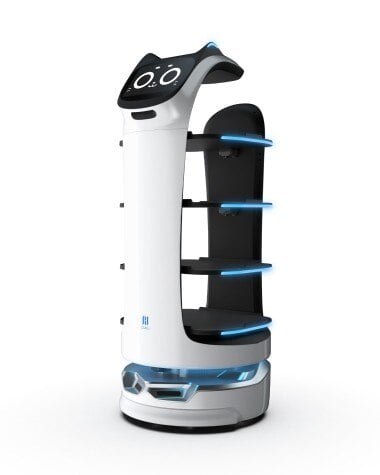
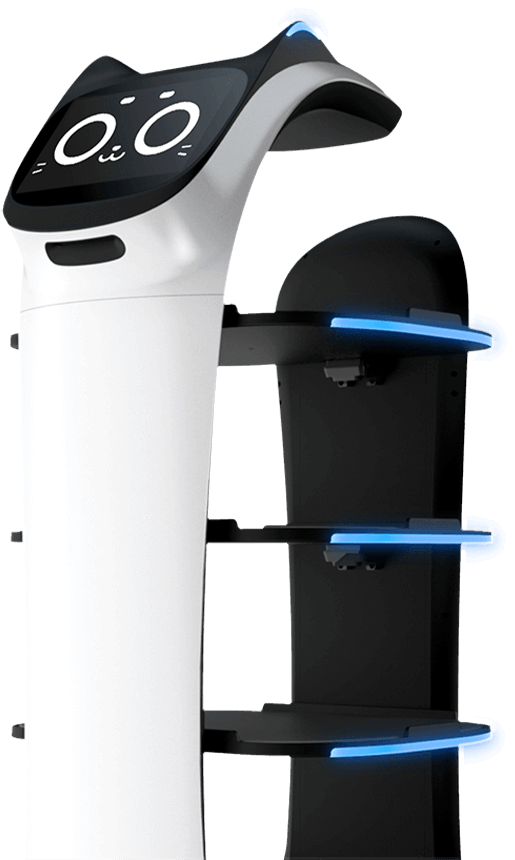
Pudu BellaBot is a versatile delivery robot designed for restaurants, hotels, assisted living, and hospitality venues. It autonomously delivers items across multi-floor locations with elevator integration, freeing staff to focus on guest-facing service.
- •4-tray delivery robot, 38.5×27.5×11.5 cm per shelf
- •Max 10–12 hour battery life, 4–5 hour charging
- •LIDAR/RGBD sensors for obstacle avoidance
- •Elevator and door opener integration for multi-floor deployment
- •RobotLAB Smart Pass compatible
- •Compact 565×537×1290 mm, 66 lbs
- •Trusted by IHOP, Kura Sushi, Disney
| Depth | 537 mm |
| Sensors | LIDAR/RGBD |
| Width | 565 mm |
| Height | 1290 mm |
| Trays | 4 |
| Weight lbs | 66 |
| Battery | 10-12 (max) h |
| Charge time | 4-5 h |
| Multi floor support | |
| Shelf dimensions (cm) | 38.5 × 27.5 × 11.5 |
| Elevator integration | |
| Door opener integration |
Use cases
Technology stackOur read
Inferred from product specs — click through to the technology wiki:
ResearchComputed
Product comparisonComputed
Each row leads with this company's product, side-by-side with similar ones · click a row to expand full specs, click again to collapse
Pudu BellaBot

Starship Delivery Robot
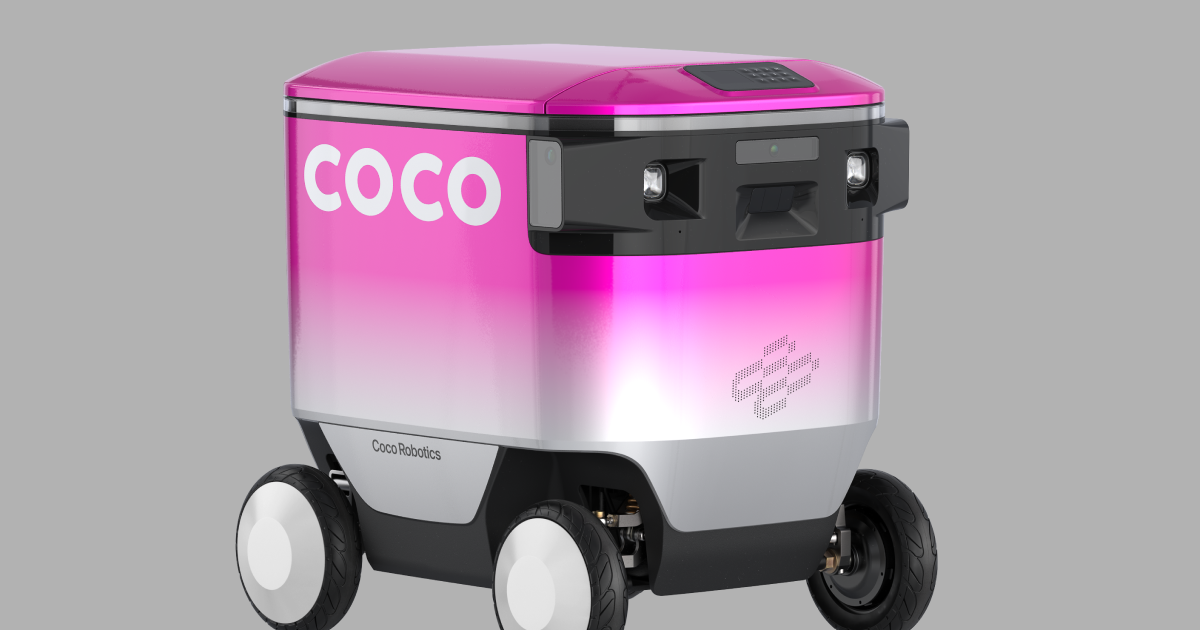
Coco 2

Serve Robotics Gen3 Delivery Robot
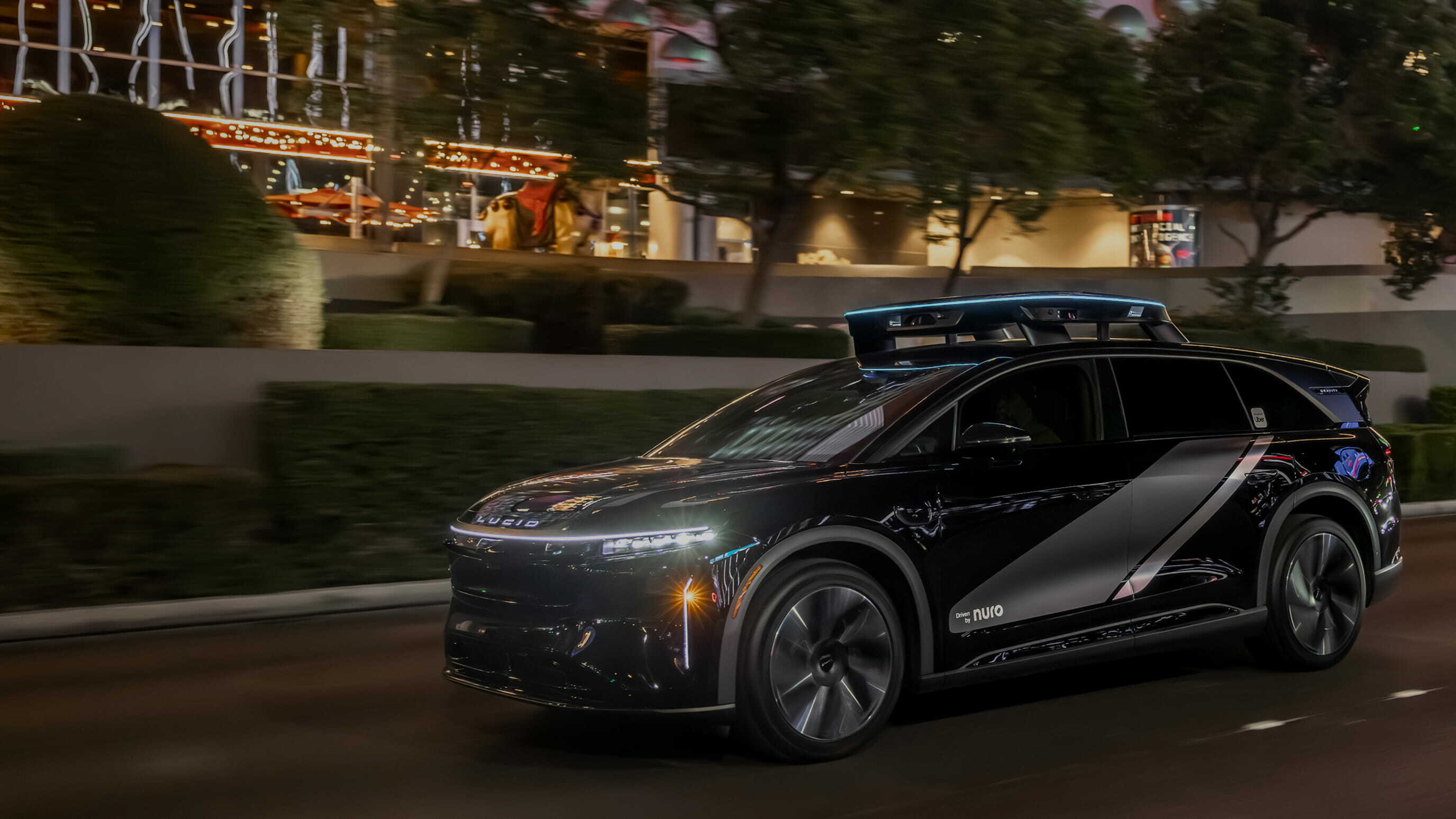
Nuro R3
BellaBot
Pudu BellaBot Pro
Coco 2
Serve Robotics Gen3 Delivery Robot
Nuro R3
BellaBot
Amazon Scout
Keenon T10
Serve Robotics Gen3 Delivery Robot
Nuro R3
BellaBot
Amazon Scout
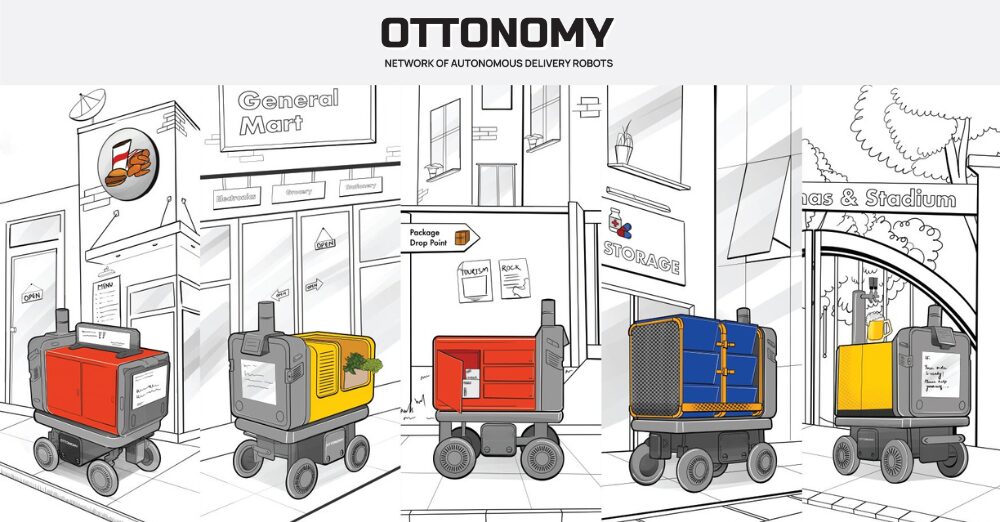
Ottobot

-Dec-31-2024-01-54-40-0113-AM.png)
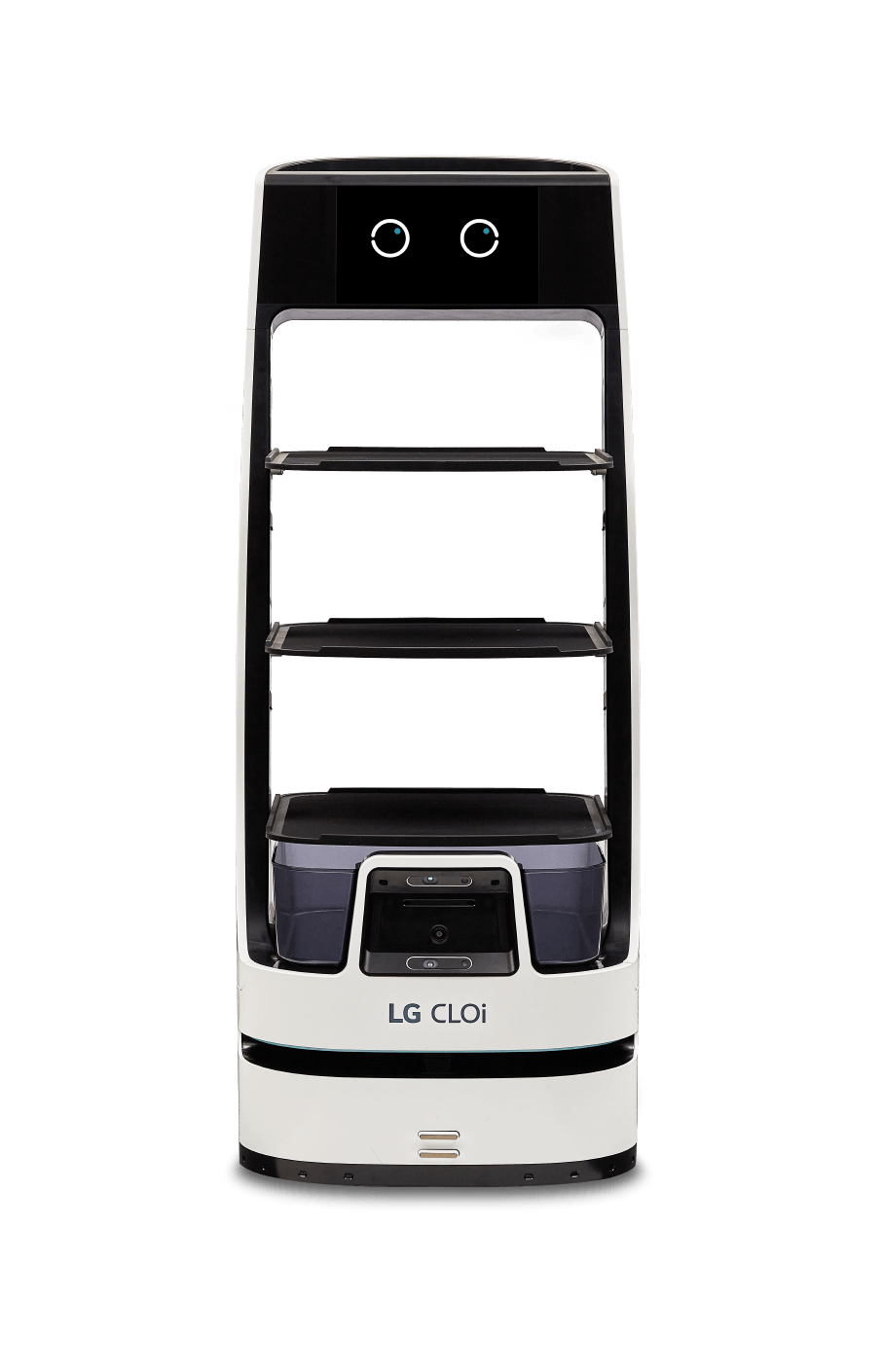
LG Cloi Servebot Advanced Robot

R3
Amazon Scout
Ottobot
Serve Gen 3
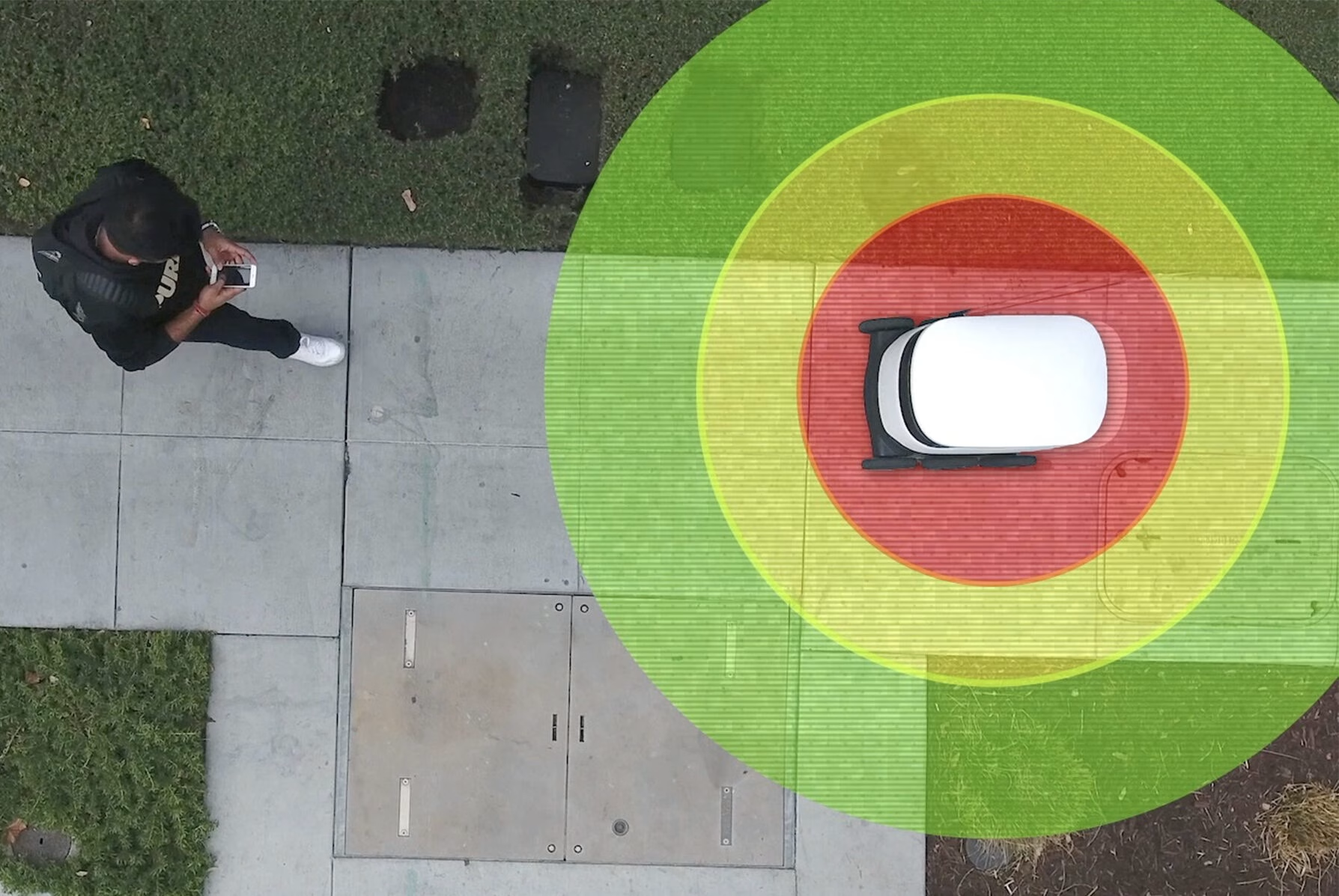
Starship Delivery Robot
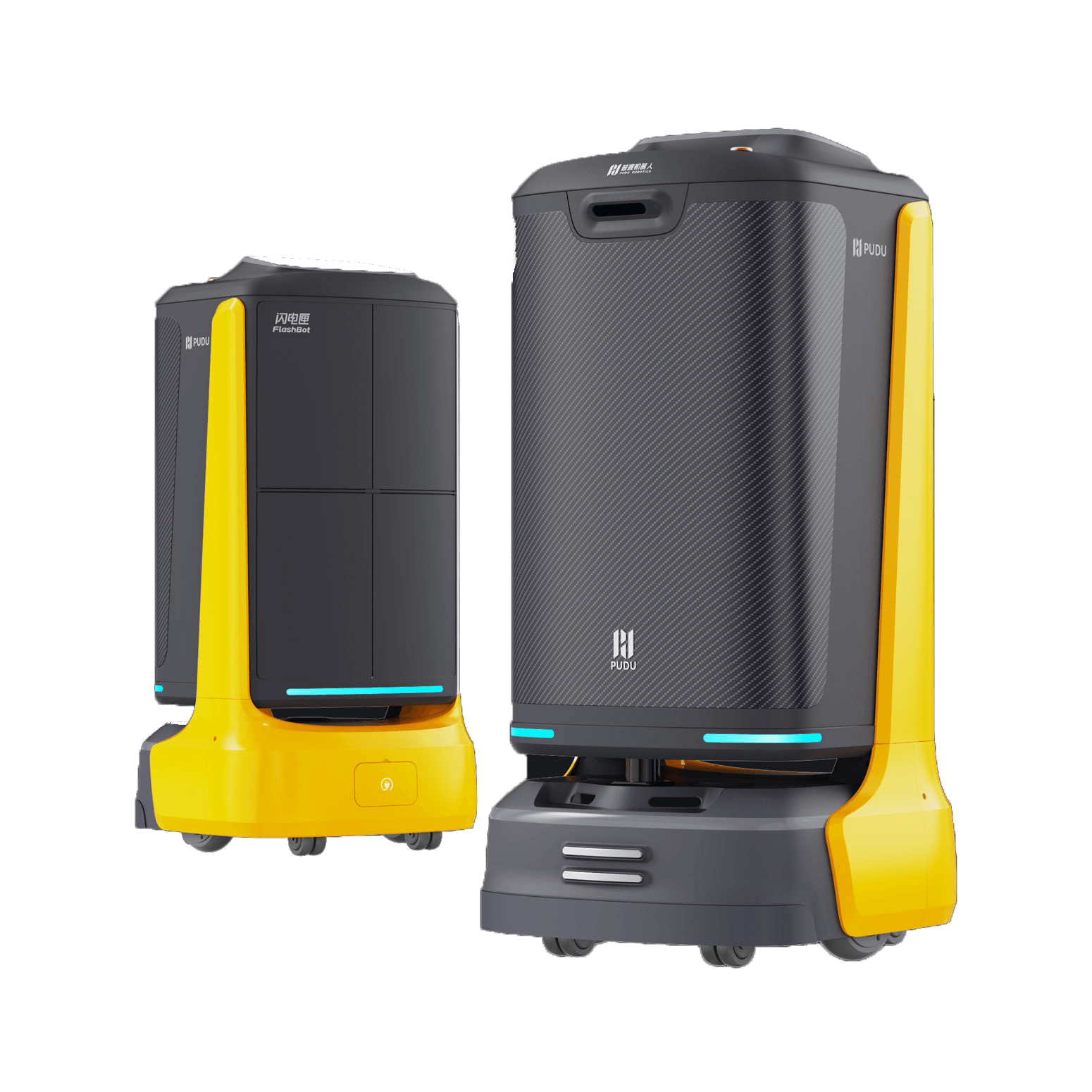
Pudu FlashBot Delivery Robot
Amazon Scout
Ottobot
Serve Gen 3
Starship Delivery Robot
飞毛腿外卖配送机器人 (Feimaoitui Delivery Robot)
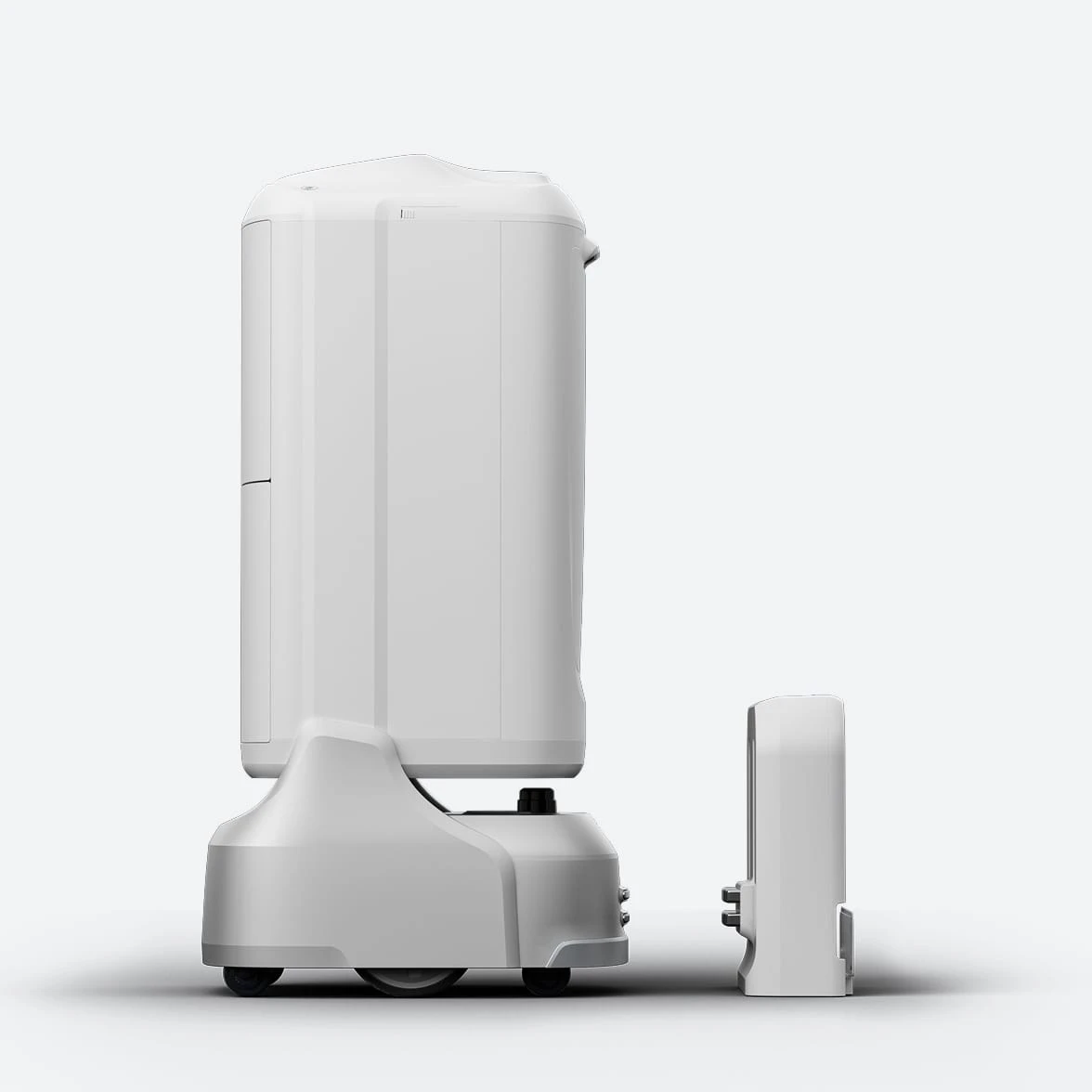
Pudu FlashBot Max
Ottobot
Serve Gen 3
Starship Delivery Robot
飞毛腿外卖配送机器人 (Feimaoitui Delivery Robot)
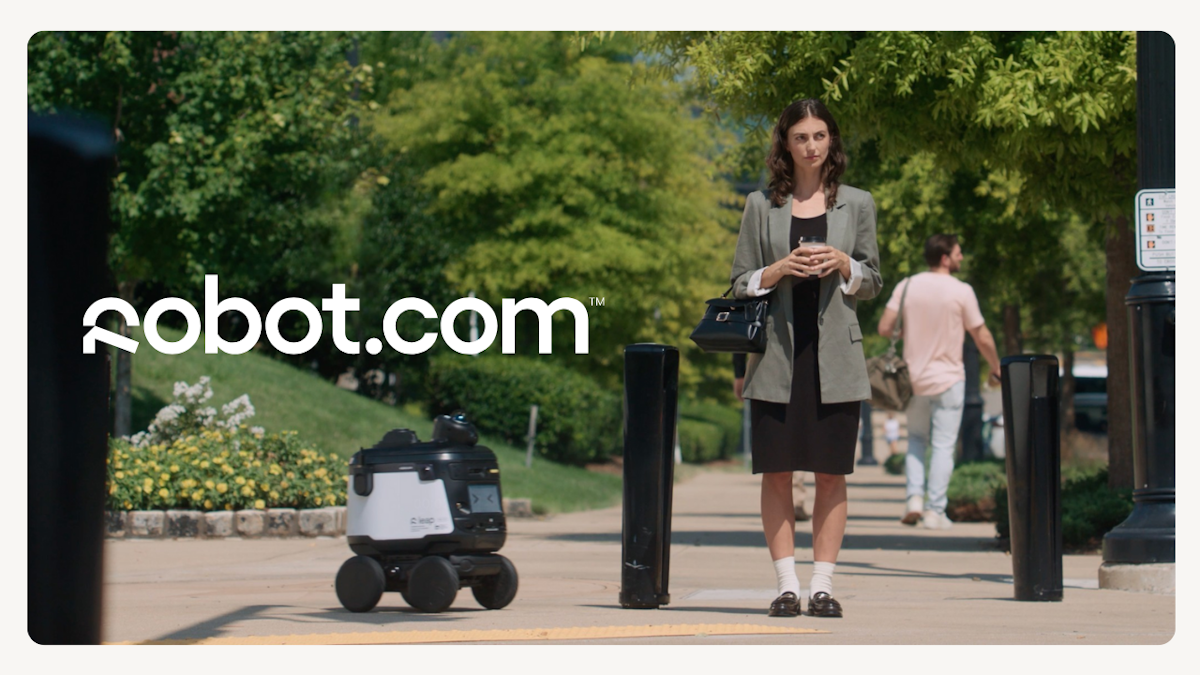
Kiwi Delivery Robot
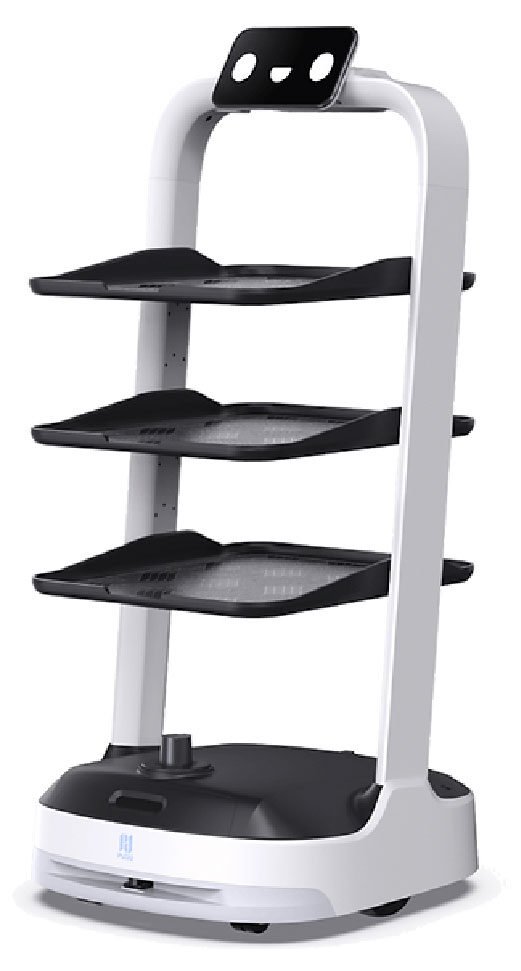
Pudu Pudubot2 Delivery Robot
Serve Gen 3
Starship Delivery Robot
飞毛腿外卖配送机器人 (Feimaoitui Delivery Robot)
Kiwi Delivery Robot

LuckiBot Pro
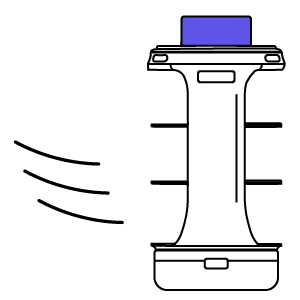
Serveswift QR Automated Robot D
Starship Delivery Robot
飞毛腿外卖配送机器人 (Feimaoitui Delivery Robot)
Kiwi Delivery Robot
LuckiBot Pro

KettyBot
Company announcement
News and Media
The company's official social & video channels · external links
News
From third-party news outlets (China & abroad) · external links