HumanoidHub
SnapshotCompany claim
The global humanoid robotics intelligence and discovery platform for source-backed catalog records, comparisons, and procurement signals across humanoid robotics.
- Founded
- Not disclosed
- HQ
- Not disclosed
- Models
- 105
- Categories
- 7
ContactCompany claim
- Address
- Not disclosed
Product families
Is this your company? Claim this profile to add verified data, respond to our analysis, and upgrade claims to Verified.
Claim this profile1. Executive Overview {#executive-overview}
HumanoidHub (humanoidhub.ai) positions itself as the global humanoid robotics intelligence and discovery platform, offering source-backed catalog records, side-by-side comparisons, and procurement signals across the humanoid robotics market. The platform's verified strengths are considerable: a catalog of 111 robots spanning 50+ OEMs, a structured procurement-matching workflow that promises responses within 24 hours, and a scope that ranges from sub-$700 educational kits to $200,000-class enterprise humanoids. That breadth — covering bipedal humanoids, wheeled service robots, industrial cobots, quadrupeds, and AMRs — makes the platform a rare single-access point for buyers, researchers, and integrators navigating a fragmented market.
The platform's commercial model centers on routing qualified demand to OEMs rather than selling hardware directly. Visitors can browse and compare specifications, then submit structured requirements (role, budget range from under $20,000 to $500K+, timeline, target use case) and receive system recommendations within 24 hours. Data privacy is explicitly called out as a platform commitment. The combination of structured intake forms, role-segmented guidance (CTO, procurement, founder, researcher, integrator), and a live catalog positions HumanoidHub as infrastructure for a market that currently lacks standardized procurement channels.
Founding date and country of incorporation are not disclosed on the public site. Not yet disclosed: founding year, headquarters, headcount, and ownership structure. HumanoidHub is invited to claim or correct this record at [email protected].
Latest news
- KEENON Humanoid Pours Drinks at GCS 2026, 100,000 Others Run HotelsYanko Design·2026-06-15GENERAL
2. The Company Story {#the-company-story}
Based on the company's own site description and structured data, HumanoidHub was created to solve a specific market-infrastructure problem: the humanoid and service robotics sector has hundreds of manufacturers, dozens of form factors, and wildly inconsistent public specifications, yet no neutral aggregation layer existed to help buyers efficiently shortlist and procure systems. HumanoidHub's stated response is a "source-backed" catalog — meaning specifications are tied to verifiable OEM sources rather than synthesized from secondary press — combined with active procurement routing.
The platform's positioning signals deliberate neutrality: it aggregates competitors (from Unitree to UBTECH to PAL Robotics to 1X Technologies) without apparent exclusivity to any single OEM. The intake form's budget tiers ($20K–$50K through $500K+, plus a RaaS/leasing option) and role categories (from operations/logistics to academic researcher) indicate the platform is targeting the full buyer funnel, not just large enterprise procurement. The "just researching" timeline option and browse/compare/learn pathway suggest a content-first, trust-building acquisition model.
The platform's scale claim — 111 robots, 50+ OEMs, 24-hour response — is the core quantified value proposition stated on the site and treated here as a company claim pending independent verification. The 105 product records extracted from the site are consistent with and slightly below the stated 111, likely reflecting catalog additions in progress at the time of extraction.
3. Product Portfolio {#product-portfolio}
Products & versions
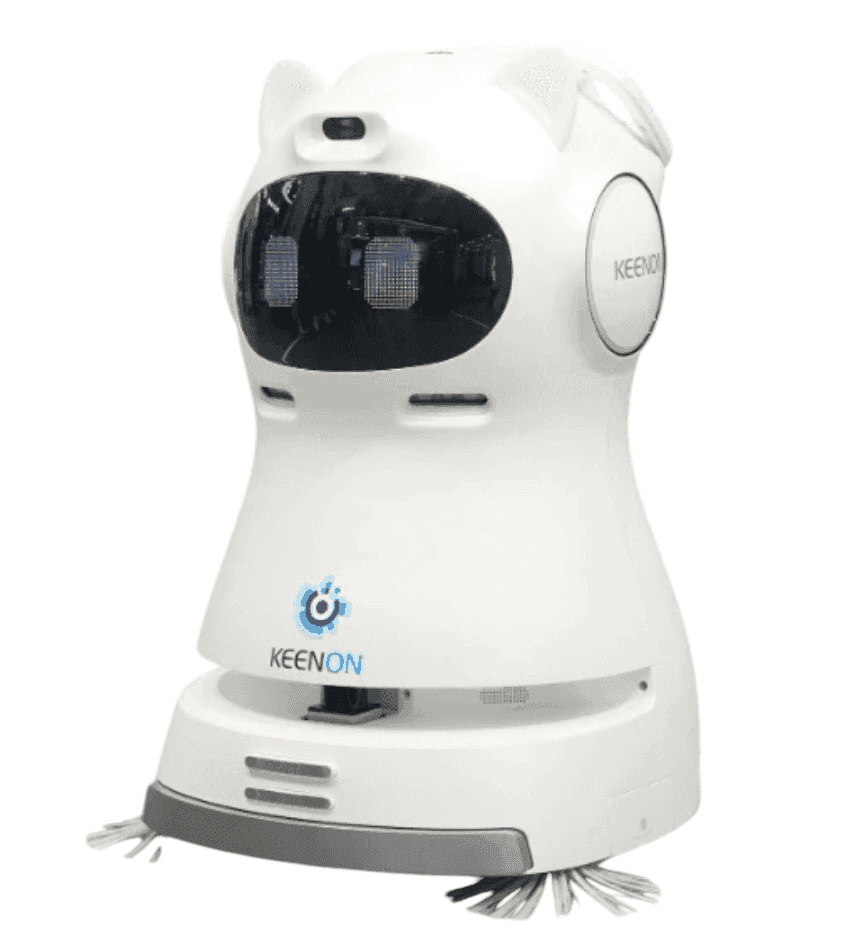
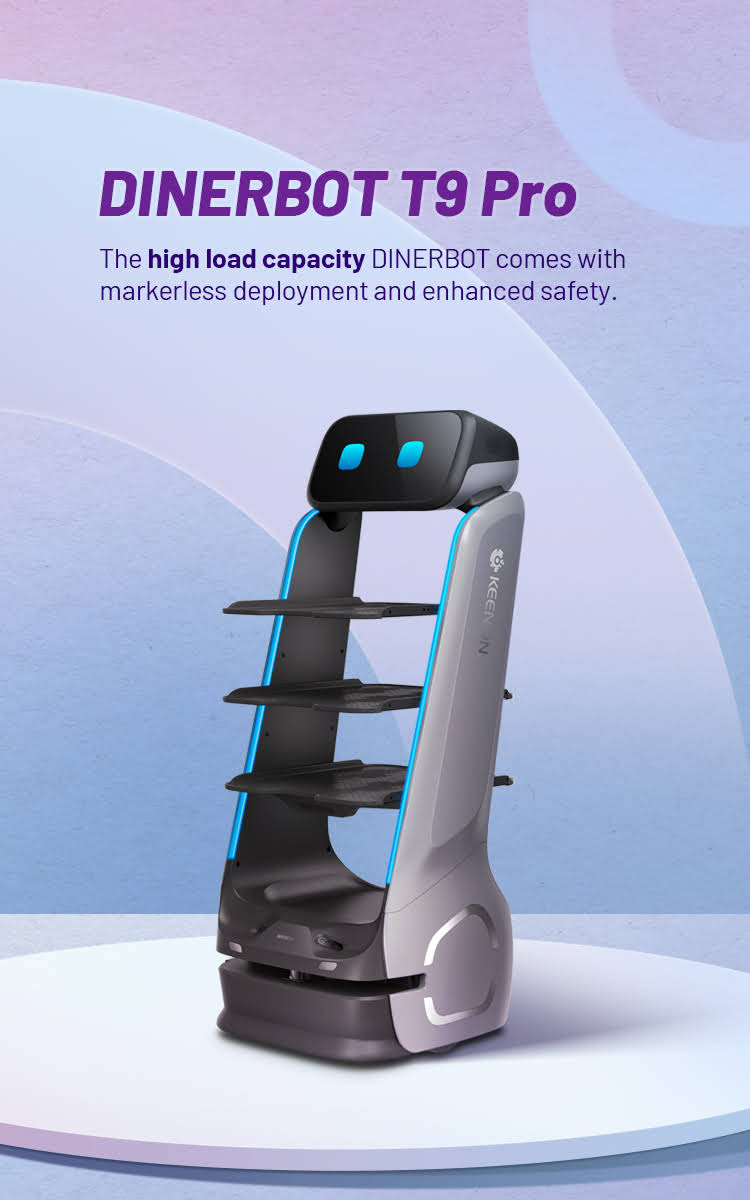
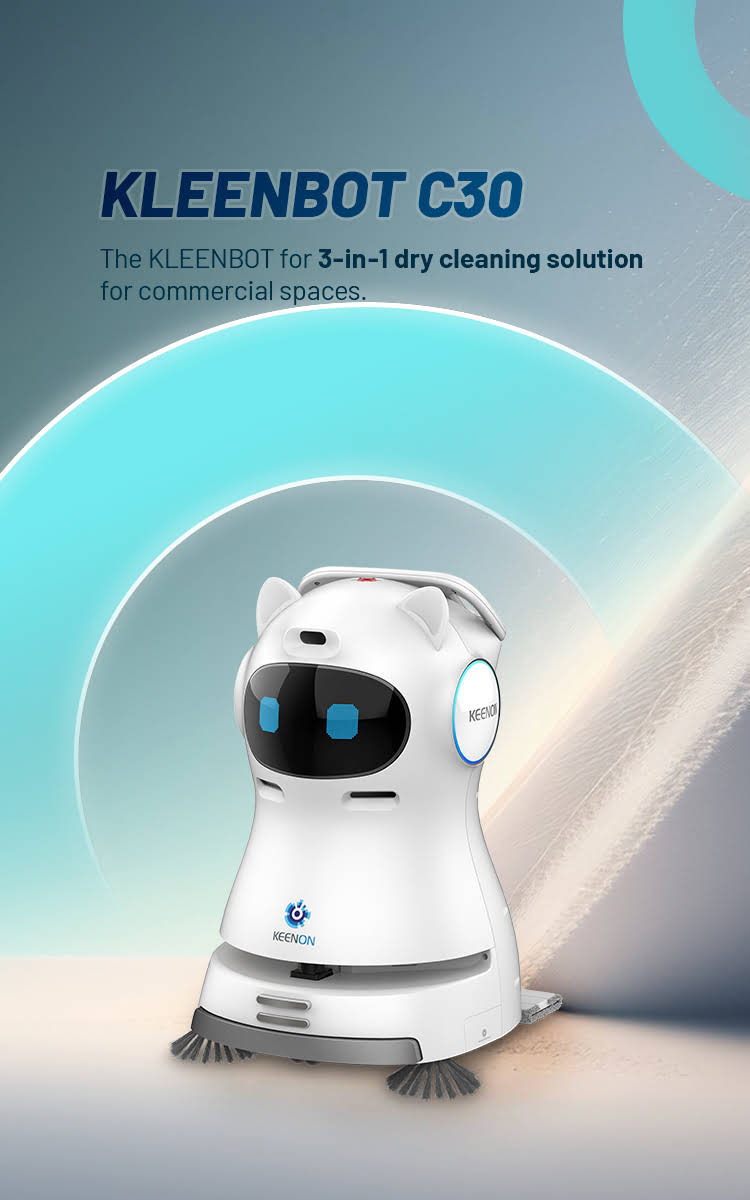


The catalog as extracted spans five broad hardware categories across 105 recorded entries. Full-size bipedal humanoids form the largest cohort and include both research platforms (DRC-Hubo, Albert Hubo, ASIMO/Asimo V6, T-HR3, HUBO KHR-3, Hubo 2, KHR-2) and commercially-oriented systems (1X NEO, 1X EVE, Apollo, Figure 01, Figure 02, NEURA 4NE1, UBTECH Walker S/S1/S2/X/C, AgiBot G2, CL-1, Iron Humanoid, MenteeBot, OnX-1, STAR1, VinRobotics District 1, KUAVO, EngineAI SE01/PM01/T800). Prices in this segment range from ~$20,000 (1X NEO pre-order, AgiBot X1 kit) to $120,000 (HMND 01 Alpha) and $200,000+ (Mesmer).
Wheeled service robots and social humanoids constitute the second major family, covering hospitality-focused systems (BellaBot, DINERBOT T10, Cart, DBot, KIME v5 from Macco Robotics), public-engagement platforms (ARI from PAL Robotics, Promobot V.4, Sanbot King Kong, Sanbot Elf, Sanbot Nano, Sanbot S1, Pepper, Sophia, Robo-C 2, Dex), and expressive/entertainment robots (Mesmer, B-Series bust, Ami Desktop, M-Series, Panda Robot). Educational and developer humanoids form a third tier: AiNex ROS ($699), HiWonder TonyBot ($200), ROBOTIS OP3 ($11,000), Mercury X1 ($4,999), myBuddy (~$3,500), Sprout Creator Edition (Fauna Robotics, January 2026 launch), and the NEURA 4NE1 Mini (from €19,999). Industrial robot arms and cobots round out the catalog with entries from ABB, FANUC, KUKA, Universal Robots, Doosan, Yaskawa, Franka, Kinova, Kawasaki, Stäubli, Comau, DENSO, Epson, Mitsubishi Electric, Techman, AUBO, and NACHI. A smaller outdoor/mobile category includes Unitree A2 and As2 quadrupeds, ANYmal X, Clearpath Husky UGV, and the Omron LD-250 AMR.
The catalog's shape reflects a deliberate attempt at full-market coverage: from a $200 hobby kit to a $200,000 hyper-realistic social robot, and from a discontinued Honda ASIMO (included for reference and comparison value) to robots announced for 2026 delivery. This breadth is the platform's primary differentiator versus single-OEM sites.
4. Technology Stack {#technology-stack}
HumanoidHub's own technology stack — the software and infrastructure behind the platform — has limited public technical detail. What is inferable from the structured data and site functionality is described below.
Our read: The platform ingests and normalizes heterogeneous OEM specification data into a consistent schema (dimensions, DoF, payload, runtime, compute platform, sensors, OS, communication, price, availability status, use-case tags, industry tags). The consistency of field names and units across 105 entries from 50+ OEMs suggests a structured data pipeline rather than manual page-by-page curation. The presence of a SearchAction schema with query-input indicates a live search index. The 24-hour human-in-the-loop matching workflow implies a CRM or ticketing layer behind the intake form.
Our read: The catalog's source-backed claim — distinguishing it from aggregators that rely on secondary press — implies a data provenance system that links spec values to OEM pages or datasheets. The depth of numeric fields (e.g., tendonDriveTorqueAccuracyPct, chargingRateMinPerHourRuntime, batteryRuntimeNoPayloadMin) across entries like the 1X NEO suggests the platform is extracting or transcribing from primary manufacturer documentation rather than press releases alone.
The platform supports role-segmented intake (CTO, procurement, researcher, founder, integrator), budget-tiered routing, and a stated data-privacy commitment — all of which are functional product features, though their technical implementation is not publicly disclosed. Not yet disclosed: the underlying database technology, AI/ML layer (if any) used for matching, API availability for OEM partners, and whether the catalog is updated via automated crawls or manual curation. HumanoidHub is invited to claim or correct these details.
5. Research, Papers, Authors, Labs {#research-papers}
Company-linked papers
HumanoidHub is a discovery and procurement intelligence platform, not a research-publishing organization. No academic papers, preprints, or affiliated research lab outputs are attributed to HumanoidHub on the public site. This is expected and appropriate for a market-infrastructure company of this type — the same is true of the majority of service-robotics aggregation and distribution platforms. The catalog does index research-platform robots (TALOS, TIAGo, FR3 Cobot, ROBOTIS OP3, Husky UGV, Mercury X1) whose manufacturers publish extensively, but that output belongs to the OEMs, not to HumanoidHub.
6. Media Evidence {#media-evidence}
Media library
No media coverage is linked or cited in the extracted site data. Not yet disclosed: press mentions, analyst citations, or editorial coverage. HumanoidHub is invited to submit coverage links for inclusion in this record.
7. Commercial Reality {#commercial-reality}
Customers & deployments
Revenue, customer counts, named deployments, and ROI metrics are not disclosed on the public site. These figures are rendered here as Not disclosed. HumanoidHub is invited to claim or disclose commercial traction data — including number of procurement matches completed, OEM partner agreements, or buyer-side case studies — to strengthen this record.
What is verifiable from the site: the platform lists a structured procurement matching service with a 24-hour response commitment, a stated policy of keeping submitted data private, and a catalog covering 111 robots and 50+ OEMs. These are operational claims, not revenue claims, and are treated as company claims pending independent verification. The platform's commercial model — routing qualified buyer demand to OEMs — suggests revenue could derive from lead-generation fees, OEM listing or verification fees, subscription access, or a combination; none of these is confirmed in the public data.
8. Markets and Use Cases {#markets-use-cases}
The platform's use-case and industry tagging across the catalog maps to a clear set of target markets. On the use-case axis, the catalog explicitly tags: food delivery and room service (BellaBot, DINERBOT T10, DBot, Cart, KIME v5, 1X NEO, Sanbot Nano, Sprout Creator Edition, MenteeBot, NEURA 4NE1, CL-1, Atom Max); guiding and wayfinding (ARI, Sanbot S1, Pepper, Sophia, Promobot V.4, Sanbot Nano, NEO Gamma, OnX-1, MenteeBot, NEURA 4NE1); heavy transport and logistics (Unitree A2, LD-250 AMR, AgiBot G2, NEURA 4NE1); and medical delivery (Atom Max, CL-1, Promobot V.4, AgiBot G2, NEURA 4NE1).
On the industry axis, the catalog spans: restaurants and hotels (hospitality-class wheeled robots); retail and office (social humanoids, service platforms); hospitals and healthcare (Promobot V.4, ARI, MenteeBot, VinRobotics District 1, NEURA 4NE1); warehouses and logistics (Figure 01/02, AgiBot G2, NEURA 4NE1, Unitree A2, LD-250); factories and manufacturing (UBTECH Walker S/S1/S2, EngineAI SE01, Apollo, AgiBot G2, NEURA 4NE1, plus the full cobot/industrial-arm cohort); and residential/home (1X NEO, NEO Gamma, Palro, Sanbot Nano, NEURA MiPA, Sprout Creator Edition, MenteeBot, HiWonder TonyBot, VinRobotics District 1).
The catalog's breadth means HumanoidHub's addressable buyer universe is effectively any organization evaluating robotic automation — from a restaurant chain trialing food-delivery bots at $12,000–$25,000 per unit, to a tier-1 automotive manufacturer evaluating $95,000+ industrial humanoids for assembly assistance. The platform's intake form explicitly captures this range through its budget tiers and role categories.
9. Competitive Landscape {#competitive-landscape}
Competitive comparison
| Robot | Maker | Autonomy | Conf. |
|---|---|---|---|
| iRobot Roomba Combo 10 Max | iRobot | Autonomous | 0.90 |
| Mobile ALOHA (Stanford) | Stanford University | Teleoperated | 0.90 |
| 1X NEO | 1X Technologies | Remote-Assisted | 0.90 |
The market HumanoidHub occupies — aggregation, comparison, and procurement routing for robotics hardware — is distinct from any single OEM's competitive arena. Relevant category peers are platforms and services that help buyers navigate, shortlist, or procure robotic systems: vertical robotics marketplaces, procurement consultancies, analyst databases, and OEM-neutral integrator networks. The module above provides computed peer data.
What distinguishes HumanoidHub's stated positioning within this category is the combination of source-backed specification depth, an active 24-hour matching workflow, and explicit coverage of the humanoid-specific segment — a focus that broader industrial-automation platforms have historically underweighted. As the humanoid robotics market expands from research platforms toward commercial deployment (evidenced in the catalog by 2025–2026 launch dates for 1X NEO, NEURA 4NE1, Sprout Creator Edition, and AgiBot G2, among others), procurement infrastructure of this type becomes increasingly material to how buyer decisions are made.
10. Country Advantage / Geopolitical {#geopolitical}
Section not material for this company.
11. Hype vs Real vs Ugly {#hype-real-ugly}
Claim tracker
Verified / strongly supported by catalog data: The catalog demonstrably covers a wide range of hardware categories, price points, and OEM geographies. The 105 extracted product records — with granular spec fields, availability statuses, and sourced pricing — are consistent with the platform's "source-backed catalog records" claim. The intake form's structured fields, role segmentation, and stated 24-hour response are real, observable features of the live site.
Company claims treated as claims (not independently verified):
- "111 robots, 50+ OEMs" — the extracted dataset reaches 105 products; the discrepancy is minor and may reflect catalog updates in progress. Treated as a company claim.
- "24-hour response" — operationally plausible for a small team or automated routing system; not independently verified.
- "Data stays private" — stated policy; enforcement mechanisms are not disclosed.
- "Global" platform designation — the catalog does span OEMs across the United States, Europe, Asia, and Taiwan, which is consistent with a global scope claim, though platform traffic and geographic buyer distribution are not disclosed.
Our read — gaps worth watching: The catalog includes several robots whose specifications are partially unverified or sourced from secondary reports (e.g., Dobot Atom pricing "reported by Humanoid.guide"; HMND 01 Alpha battery listed as 2.5 Wh, which appears inconsistent with a 180-minute runtime and likely reflects a data entry issue). The platform's "source-backed" claim is strongest where OEM primary pages are clearly the source, and weaker where secondary sources fill gaps. This is not a fabricated negative — it is an inherent challenge for any aggregator covering a market where OEMs frequently update or withhold specs.
12. Future Scenarios {#future-scenarios}
Our read — Bull case: The humanoid robotics market transitions from prototype to commercial deployment at pace (consistent with 2025–2026 launch dates across multiple catalog entries). HumanoidHub becomes the default discovery and shortlisting layer for enterprise buyers, OEM partnerships generate recurring revenue, and the catalog expands to 500+ entries as the market grows. The 24-hour matching workflow evolves into a managed procurement service with demonstrated ROI for OEM partners.
Our read — Base case: HumanoidHub establishes a defensible niche as a trusted specification database and lead-generation platform for the humanoid and service robotics segment. Catalog depth and data quality become the primary moat. Revenue is modest but sustainable, driven by a combination of OEM listing fees and buyer-side matching. The platform grows in step with the broader market, adding catalog entries as new systems launch and refining procurement workflows based on buyer feedback.
Our read — Bear case: The humanoid robotics market remains fragmented and pre-commercial longer than anticipated, suppressing buyer-side demand. Larger platforms (industrial automation marketplaces, analyst firms with robotics practices) add humanoid coverage and commoditize the aggregation layer. Without disclosed traction data or OEM partnership announcements, HumanoidHub struggles to differentiate on authority. The 24-hour matching workflow becomes a bottleneck if volume grows faster than team capacity, and data staleness becomes a reputational risk in a market where specs change rapidly pre-launch.
13. What to Watch {#what-to-watch}
- Catalog growth rate: Whether the platform expands beyond 111 robots and 50 OEMs as new systems (e.g., Figure 02 successors, NEURA 4NE1 mass production, UBTECH Walker S2 rollout) reach commercial availability.
- OEM partnership announcements: Any formal data-sharing or preferred-listing agreements between HumanoidHub and major OEMs would signal platform maturity and data quality commitments.
- Procurement volume signals: Case studies, buyer testimonials, or disclosed match counts would be the clearest evidence of commercial traction.
- Data accuracy maintenance: Specifications for pre-production robots (1X NEO, AgiBot X1, NEURA 4NE1 Mini, HMND 01 Alpha) change frequently; watch for catalog update cadence and correction protocols.
- Competitive entries: Whether industrial-automation aggregators or robotics analyst platforms launch dedicated humanoid catalogs with comparable specification depth.
- Revenue model disclosure: Any public statement about how OEMs or buyers pay for platform access.
- Founding/team disclosure: Publication of leadership, founding story, or investor information would materially improve the platform's credibility signal for enterprise buyers conducting due diligence.
14. Sources & Methodology {#sources-methodology}
Primary source: All factual claims in this report are grounded exclusively in data extracted from HumanoidHub's own website (humanoidhub.ai), including structured schema markup, About page content, product catalog records, intake form fields, and stated platform metrics. All such claims are treated as company claims and labeled accordingly where material.
Computed relations: Product category groupings, use-case/industry mappings, price range analyses, and competitive framing are derived computationally from the extracted catalog data and are labeled "Our read:" where they represent analyst inference rather than direct company statement.
What this report does not do: It does not introduce external data sources, third-party revenue estimates, named competitor prose, or product/customer details not present in the source data. Gaps in the public record are flagged as "Not yet disclosed" with an invitation to HumanoidHub to claim or correct the record via [email protected].
Rubric applied uniformly: This methodology — source grounding, company-claim labeling, inference labeling, gap flagging, and no unsourced negatives — is applied identically to every company intelligence report produced under this framework.
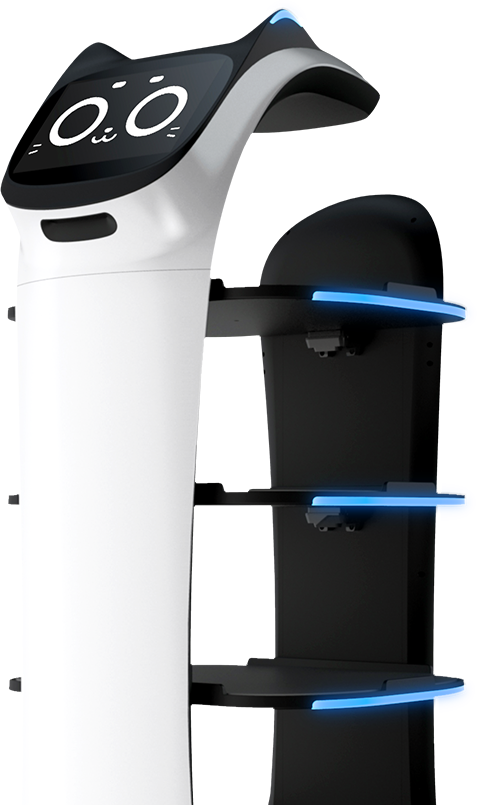
BellaBot is a wheeled indoor delivery robot from Pudu Robotics built for tray-based item transport in venues like restaurants. It uses LiDAR, mono camera, and depth camera for navigation and obstacle avoidance, supports voice interaction, and offers up to 40 kg payload with 12–24 hours runtime.
- •Wheeled indoor delivery robot for tray-based item transport
- •LiDAR, mono camera, depth camera for navigation and obstacle avoidance
- •Voice interaction support
- •12–24 hours runtime, 4.5 hours charging
- •40 kg payload capacity
- •129 cm height, 60 kg weight
- •Quad-core ARM Cortex-A72, 4GB RAM, 64GB storage
- •Wi‑Fi and Bluetooth communication
- •Semi-autonomous operation
- •Commercial product with contact-based availability
| Depth | 565 mm |
| Speed | 1.2 m/s |
| Width | 537 mm |
| Height (cm) | 129 |
| Weight | 60 kg |
| Payload | 40 kg |
| Runtime | 12–24 h |
| Charge time | 4.5 h |
| Battery capacity (wh) | 25.6 |
Use cases
Technology stackOur read
Inferred from product specs — click through to the technology wiki:
ResearchComputed
Product comparisonComputed
Each row leads with this company's product, side-by-side with similar ones · click a row to expand full specs, click again to collapse
BellaBot

Starship Delivery Robot
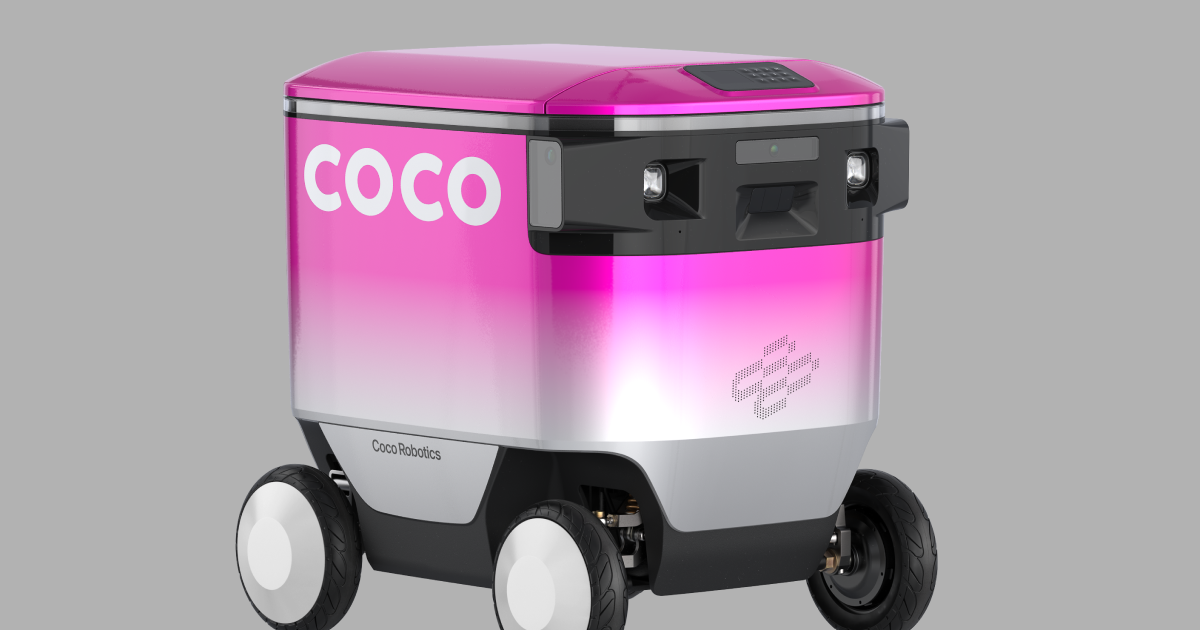
Coco 2

Serve Robotics Gen3 Delivery Robot
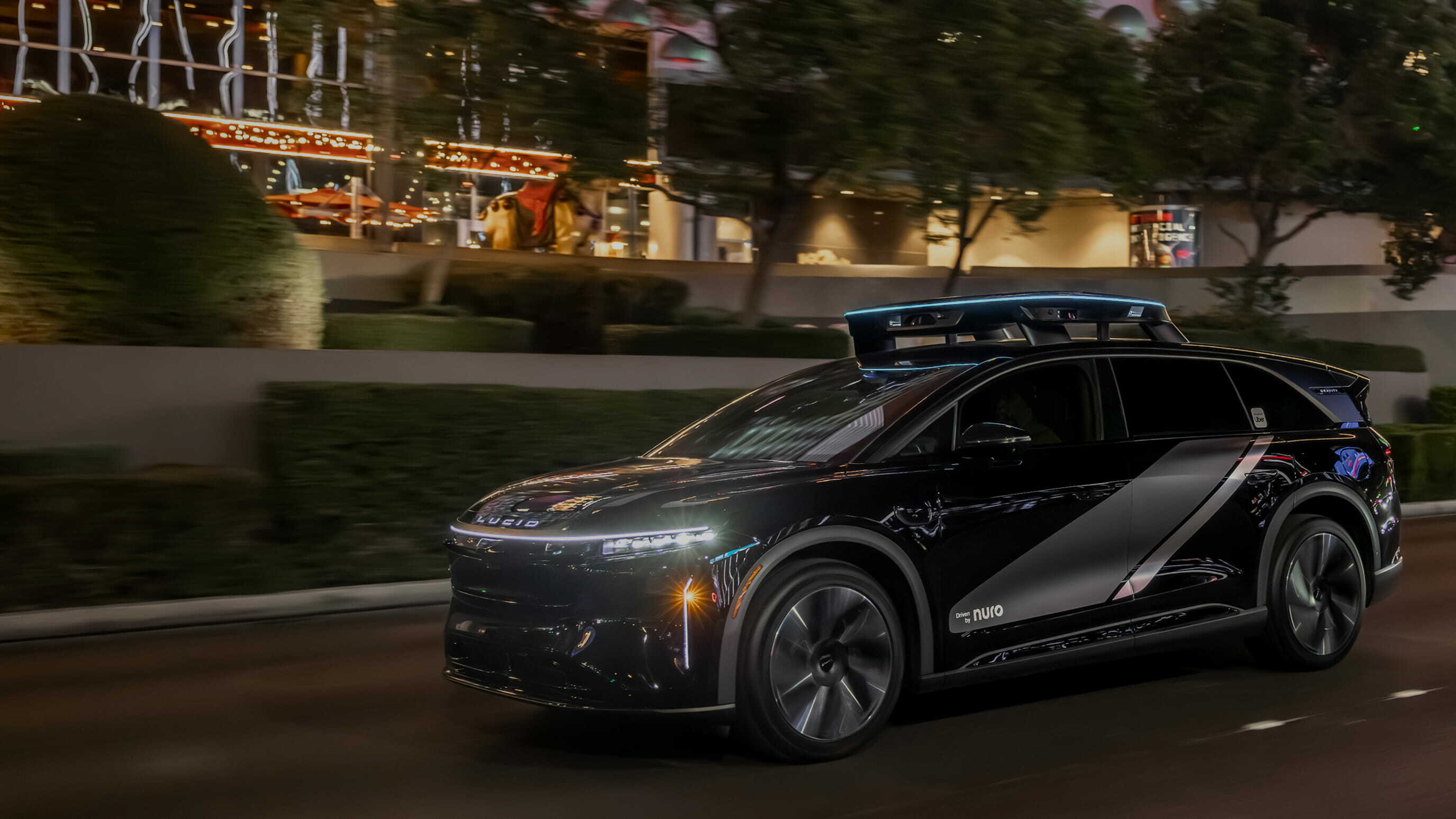
Nuro R3
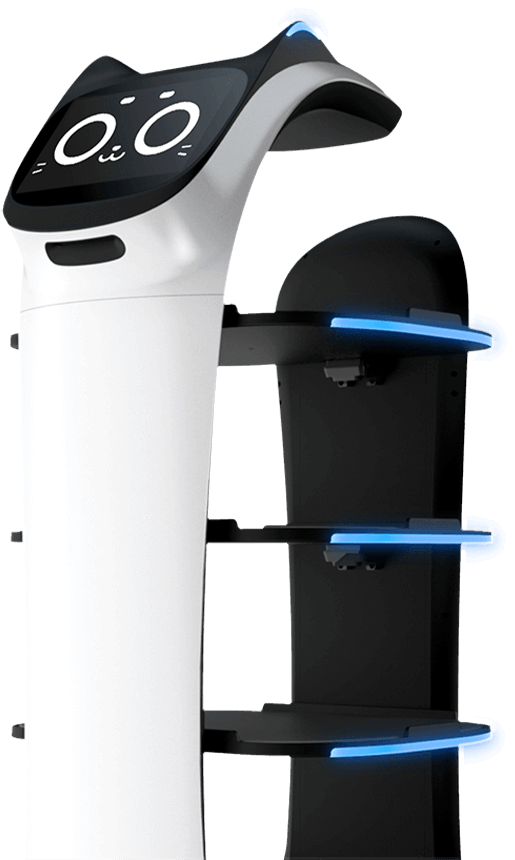
BellaBot


Cart

Servi
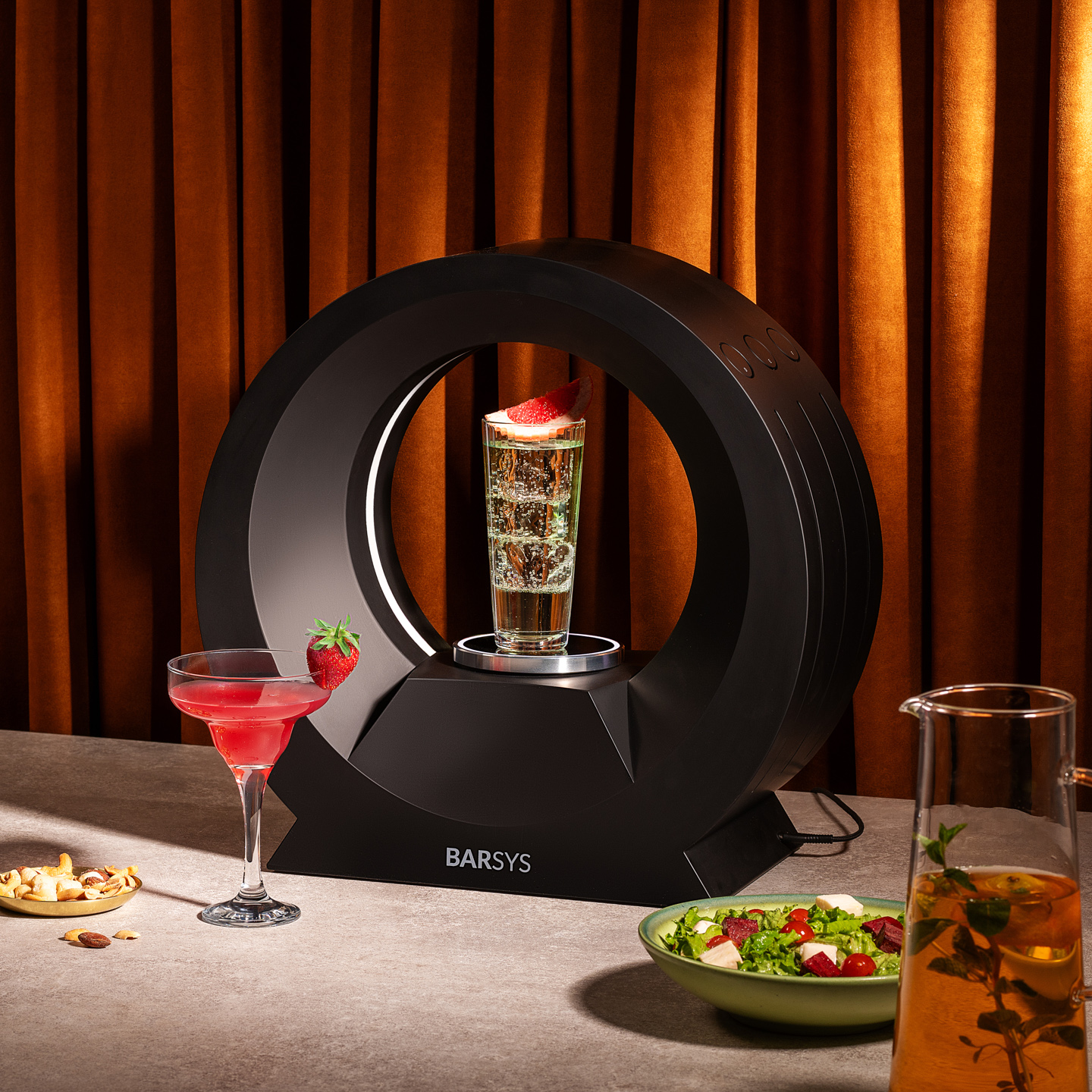
Barsys 360
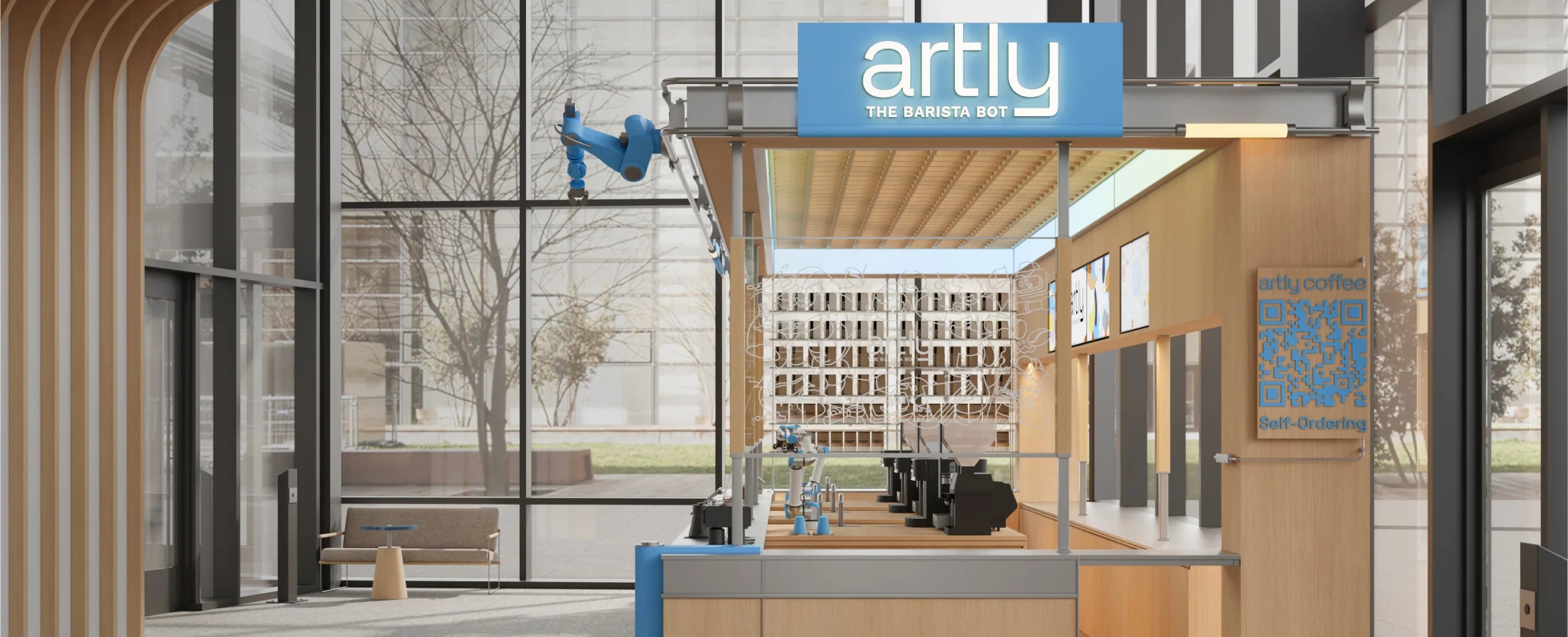
Artly: The Barista Bot

Rozum Cafe
Starship Delivery Robot

DBot
Barsys 360
Artly: The Barista Bot
Rozum Cafe
Starship Delivery Robot
Coco 2
DINERBOT T10
Artly: The Barista Bot
Rozum Cafe
Starship Delivery Robot
Coco 2
Serve Robotics Gen3 Delivery Robot
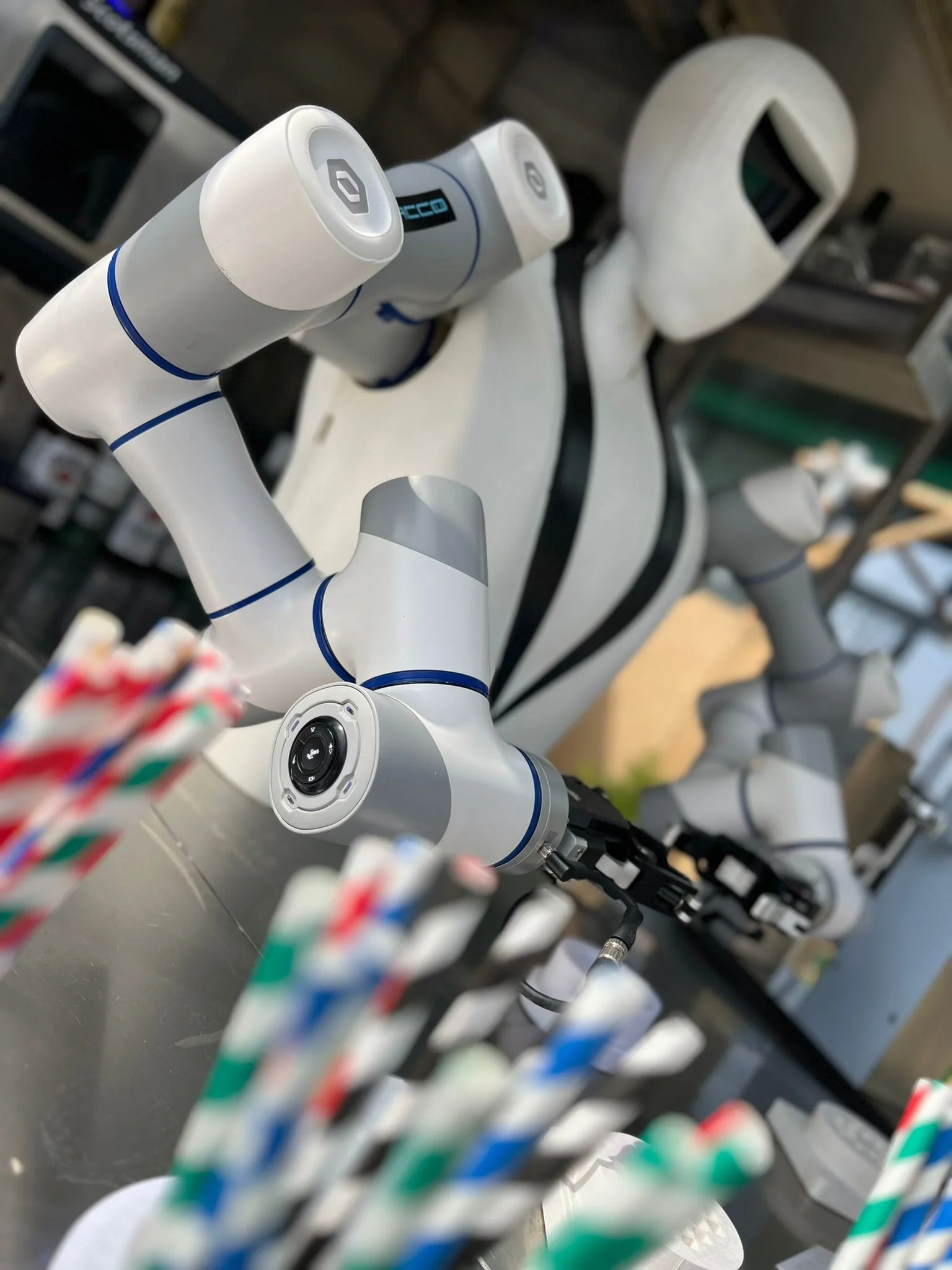
KIME v5
Rozum Cafe
Starship Delivery Robot
Coco 2
Serve Robotics Gen3 Delivery Robot
Nuro R3

Sanbot S1
Starship Delivery Robot
Coco 2
Serve Robotics Gen3 Delivery Robot
Nuro R3
BellaBot
Sanbot Elf
Coco 2
Serve Robotics Gen3 Delivery Robot
Nuro R3
BellaBot
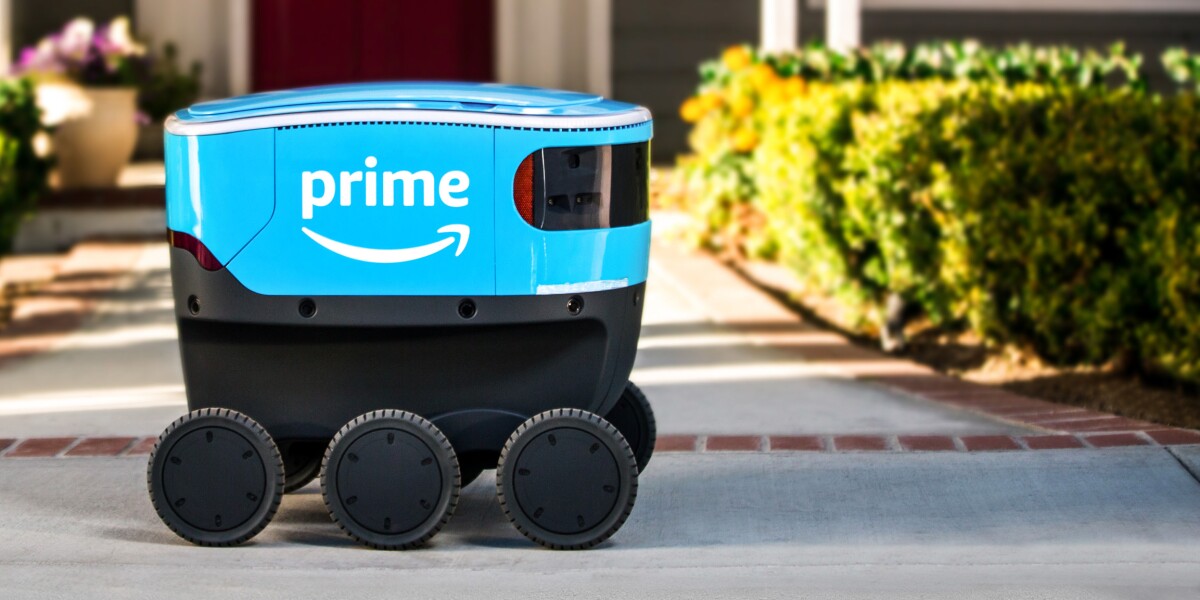
Amazon Scout

ER20
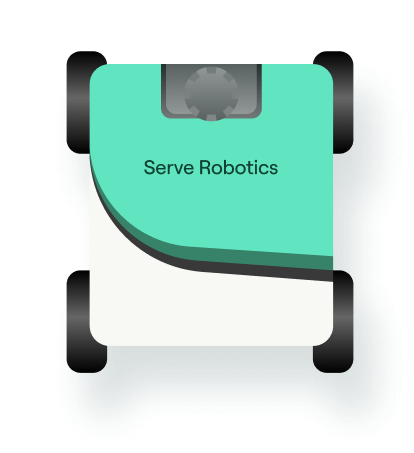
Serve Gen 3
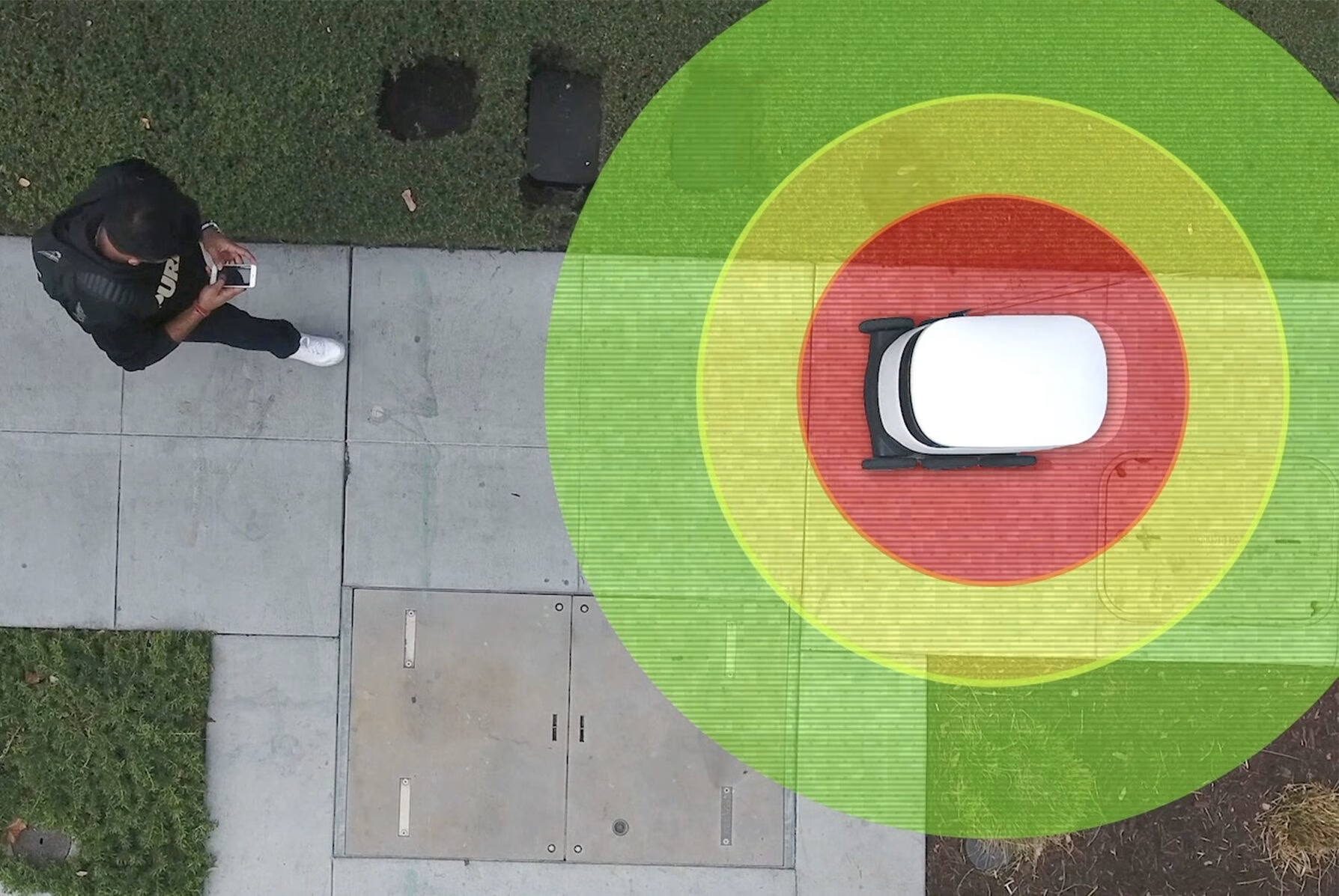
Starship Delivery Robot
飞毛腿外卖配送机器人 (Feimaoitui Delivery Robot)

LuckiBot Pro

KettyBot
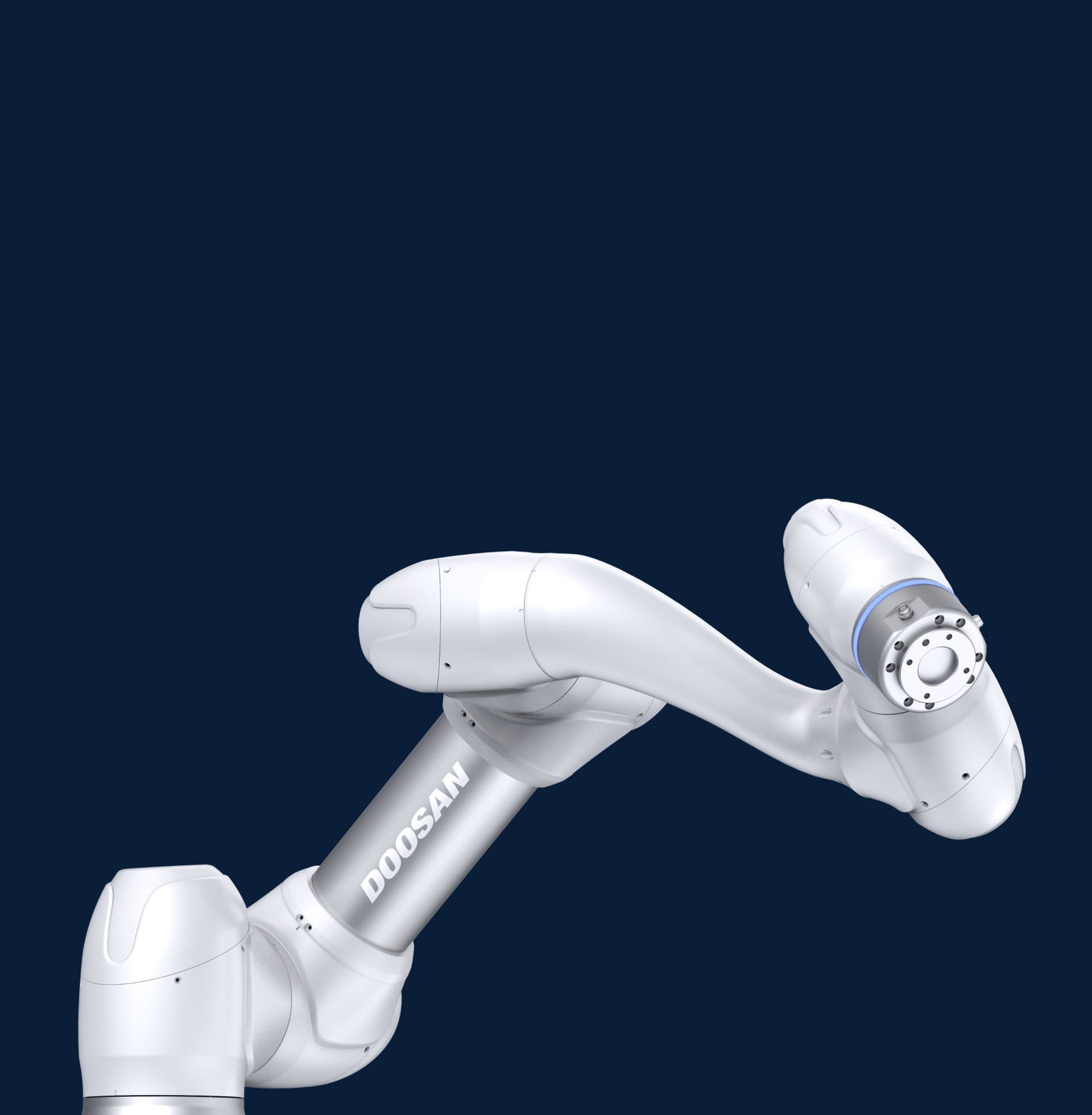
M0609 Cobot
Starship Delivery Robot
飞毛腿外卖配送机器人 (Feimaoitui Delivery Robot)
LuckiBot Pro
KettyBot
Pudu CC1