Applied Manufacturing Technologies
Founded 1989 · United States · appliedmfg.com
SnapshotCompany claim
Founded in 1989, Applied Manufacturing Technologies is an industry leader in automated end of line solutions, advanced material handling systems, and engineering support globally. The company has over 120 engineers and has engineered over 25,000 automation systems worldwide.
- Founded
- 1989
- HQ
- United States
- Models
- 1
- Categories
- 1
ContactCompany claim
- Address
- 219 Kay Industrial Drive, Orion, MI 48359
Product families
Is this your company? Claim this profile to add verified data, respond to our analysis, and upgrade claims to Verified.
Claim this profile1. Executive Overview {#executive-overview}
Applied Manufacturing Technologies (AMT) is a U.S.-based industrial automation integrator with more than three decades of continuous operation. Founded in 1989 and headquartered in Orion, Michigan, AMT has built one of the more substantial track records in the systems-integration sector: over 25,000 automation systems engineered across 5,500 projects for more than 600 customers worldwide, executed by a team the company describes as exceeding 120 controls and automation engineers who collectively bring more than 1,250 combined years of hands-on experience. These figures, drawn directly from AMT's own published materials, suggest an organization operating at genuine commercial scale rather than early-stage growth.
AMT's stated positioning spans three interlocking practice areas: automated end-of-line solutions, advanced material handling systems, and on-demand engineering services — including autonomous mobile robots (AMRs). The company's professional affiliations reinforce its industry standing: AMT holds FANUC Level V Authorized System Integrator status (one of the higher tiers in FANUC's integrator hierarchy) and is a member of A3, the Association for Advancing Automation. Coverage in The Fabricator specifically notes AMT earning sales awards from FANUC, providing independent, third-party validation of that relationship.
The company's geographic center of gravity is its Orion, Michigan headquarters, though its project footprint is described as global. AMT characterizes itself as a "trusted advisor" to its customer base — a positioning consistent with a firm that participates in professional organizations as committee members and leaders rather than simply as members.
Latest news
- KEENON Humanoid Pours Drinks at GCS 2026, 100,000 Others Run HotelsYanko Design·2026-06-15GENERAL
2. The Company Story {#the-company-story}
AMT was founded in 1989, placing its origins in the era when domestic manufacturing automation was accelerating in the U.S. Midwest — a region historically anchored by automotive and heavy-industry production. Orion, Michigan situates AMT squarely within the Detroit-area industrial corridor, which has long been a primary proving ground for robotic and automated assembly systems.
Over the following three-plus decades, the company grew from an engineering services provider into a full-spectrum automation integrator. The scale milestones the company now cites publicly — 25,000 systems, 5,500 projects, 600-plus customers — indicate sustained, compounding project delivery rather than a single large-contract history. Reaching those numbers over roughly 35 years implies an average on the order of hundreds of project engagements per year at peak, suggesting a firm that operates as a high-throughput engineering organization rather than a bespoke boutique.
A defining strategic relationship in AMT's story is its partnership with FANUC, the Japanese robotics and CNC manufacturer. Achieving FANUC Level V Authorized System Integrator certification is a meaningful credential — FANUC's tiered integrator program rewards demonstrated volume, technical competency, and customer-satisfaction metrics. The independent recognition from The Fabricator, which reported on FANUC sales awards going to AMT, underscores that this relationship is active and commercially productive, not merely a legacy badge. AMT's concurrent membership in A3 and participation as a committee member and leader in that organization positions the company as an institutional voice in the broader automation industry, not just a project executor.
The addition of AMRs to AMT's stated service portfolio represents a noteworthy evolution of the company's scope — extending from fixed-automation integration into mobile robotics, a category that has seen rapid adoption growth in warehousing and manufacturing since the mid-2010s.
3. Product Portfolio {#product-portfolio}
Products & versions
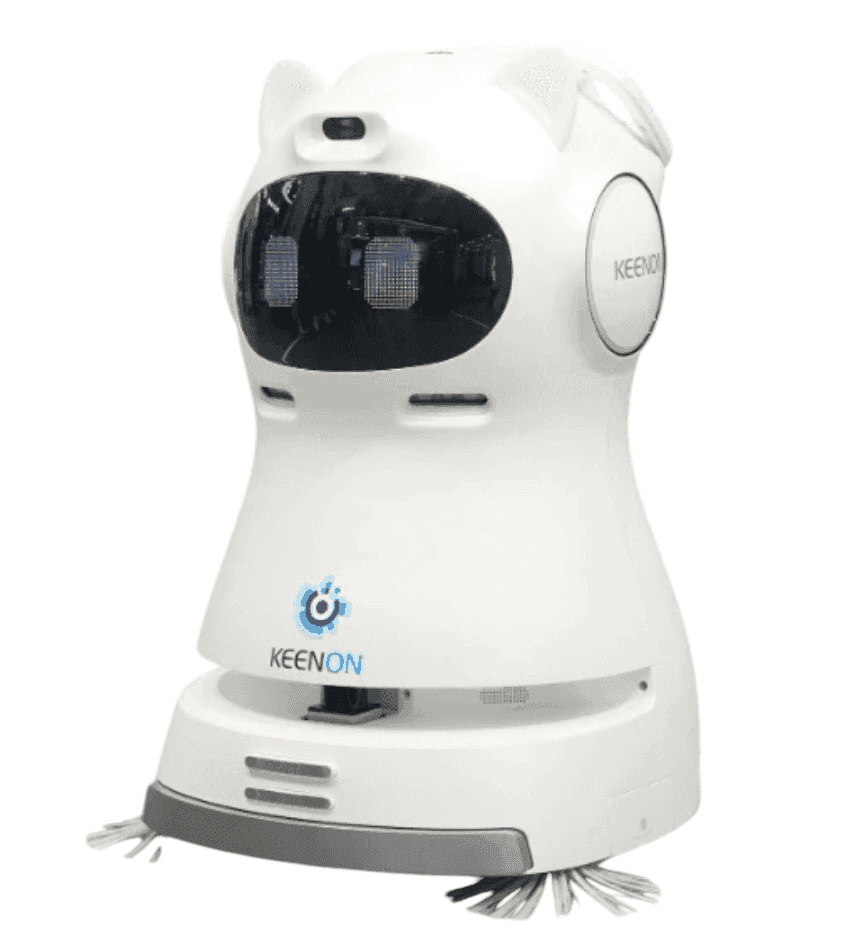
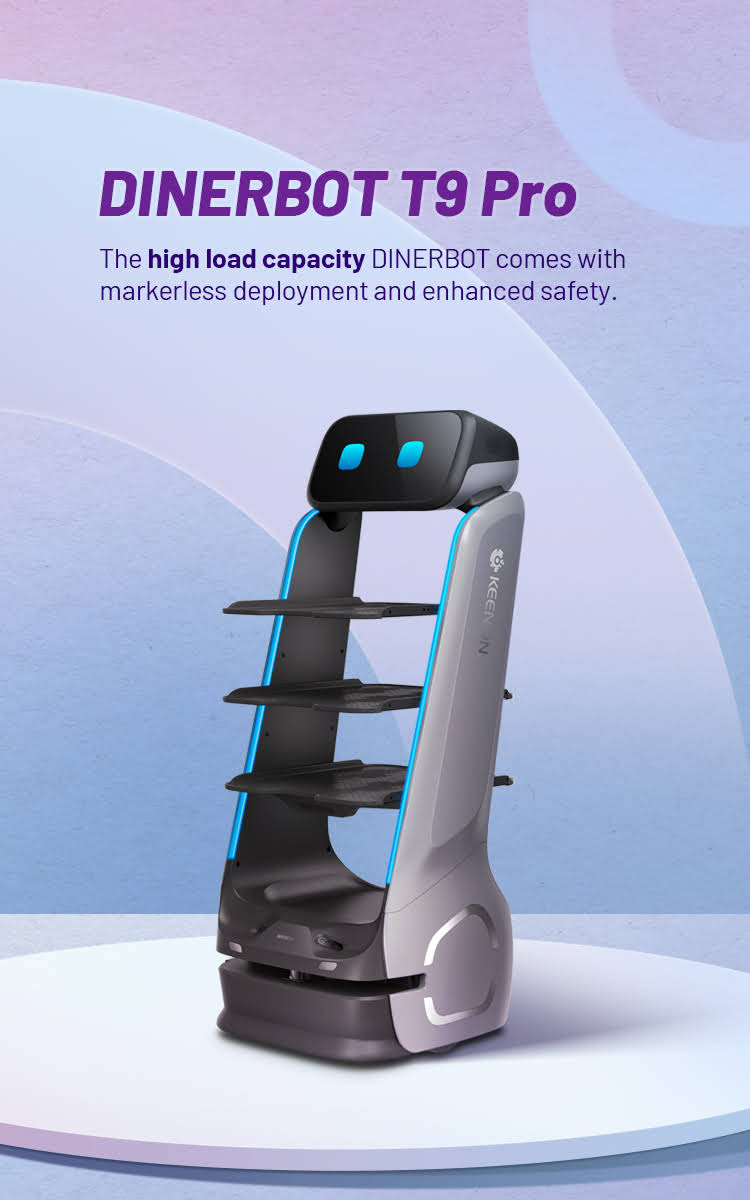
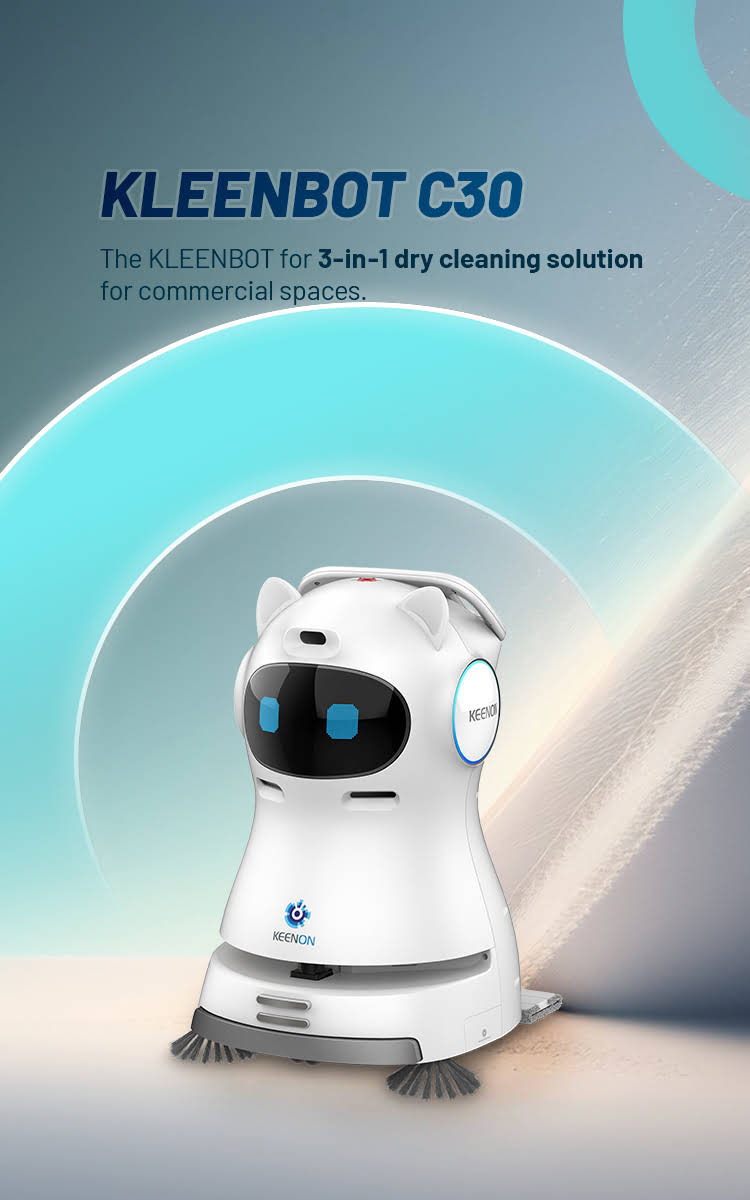


AMT's public product and service portfolio is organized around three primary practice areas, as stated on the company's own site: automated end-of-line solutions, advanced material handling systems, and engineering support services (including on-demand engineering and autonomous mobile robots). One product entry — labeled "A3" — appears in the extracted data, though its specifications and use-case tags are currently unpopulated and require review; this likely refers to an association affiliation or a product/service category rather than a standalone product model, but cannot be confirmed from available data.
The lineup's overall shape is that of a systems-integration and engineering-services firm rather than a product manufacturer in the traditional sense. AMT's commercial output is primarily configured automation solutions — engineered, assembled, and deployed systems — rather than catalogued hardware SKUs. The breadth implied by 25,000 systems across an "array of industries" (company claim) suggests the portfolio is highly application-diverse: end-of-line packaging, palletizing, and conveyor systems sit alongside material handling architectures and, more recently, AMR deployments. Not yet disclosed: detailed product family naming, individual system specifications, or AMR platform partnerships. AMT is invited to claim or correct this record with product-level documentation.
4. Technology Stack {#technology-stack}
AMT's technology profile is most clearly defined by its relationship with FANUC robotics. FANUC Level V Authorized System Integrator status indicates that AMT's engineers are trained and certified to program, integrate, and support FANUC robotic platforms — which span articulated robots, collaborative robots (CRs), and SCARA configurations used across material handling, assembly, and end-of-line applications. This is a verifiable, independently reported credential, not merely a self-description.
Our read: A firm of this scale and tenure — 120-plus engineers, 25,000 systems — almost certainly works with industrial control systems (PLCs, HMIs, SCADA layers) from multiple vendors alongside FANUC hardware. End-of-line and material handling integration at volume typically requires proficiency in conveyor controls, vision systems, safety architecture (functional safety / SIL ratings), and increasingly, MES/WMS software interfaces for AMR deployments. However, none of these specific technology components are named in AMT's publicly available data, and this inference should not be treated as confirmed capability documentation.
Our read: The inclusion of AMRs in AMT's current service description suggests the company has either developed internal AMR integration competency or maintains partnerships with one or more AMR platform vendors. Which platforms (fleet management software, navigation frameworks) are in scope is not yet disclosed publicly.
Limited public technical detail is available on AMT's proprietary methods, software tools, or simulation environments. Not yet disclosed: PLC/controls vendor relationships beyond FANUC, AMR platform partnerships, vision-system toolchains, or simulation software in use. AMT is invited to claim or correct this record with technical documentation.
5. Research, Papers, Authors, Labs {#research-papers}
Company-linked papers
AMT is a commercial systems-integration and engineering-services firm, not a research-publishing organization. No academic papers, technical publications, or named research lab affiliations appear in the available data. This is entirely consistent with the firm's business model — and with the majority of industrial automation integrators — and should not be read as a deficiency. AMT's professional contribution to the field appears to flow through industry association participation (A3 committee membership and leadership) rather than through academic or peer-reviewed publication channels.
6. Media Evidence {#media-evidence}
Media library
Three independent third-party sources are on record in the available data. The Fabricator — a widely read trade publication covering metal fabrication and manufacturing — reported on AMT earning sales awards from FANUC, providing named, external validation of AMT's FANUC partnership and commercial performance. Automate.org (the web presence of the A3 Association for Advancing Automation) lists AMT as a member with the description "Integrating industrial automation since 1989," confirming both the founding date and the association affiliation from a non-company source. Robotics 24/7, a dedicated robotics industry news outlet, includes AMT in its search results, indicating the company has appeared in that publication's coverage, though the specific article content is not detailed in the available data.
7. Commercial Reality {#commercial-reality}
Customers & deployments
AMT's own published data provides meaningful scale indicators: 600-plus customers served, 5,500 projects completed, and 25,000 automation systems engineered since 1989 — all company claims drawn from the AMT website. These figures, if accurate, represent a substantial commercial footprint for a privately held integrator. Revenue, profitability, average contract value, and customer retention rates are not disclosed in any available public source. Similarly, no named customer references, case study ROI figures, or deployment outcome metrics appear in the data provided.
Not yet disclosed: annual or lifetime revenue, named customer accounts, contract sizes, or independently verified deployment outcomes. AMT is invited to claim, disclose, or correct this record with verifiable commercial data. The 600-customer and 25,000-system figures are treated here as company claims pending independent verification.
8. Markets and Use Cases {#markets-use-cases}
AMT's three stated practice areas — end-of-line automation, advanced material handling, and AMR integration — map onto a set of well-defined industrial market segments.
End-of-line automation encompasses the processes that occur at the conclusion of a manufacturing or packaging line: palletizing, case packing, labeling, stretch-wrapping, and load-out preparation. These applications are prevalent in food and beverage, consumer packaged goods, automotive components, and industrial manufacturing. Given AMT's Michigan headquarters and multi-decade history, automotive and heavy manufacturing are logical primary verticals, though no specific industry verticals are named in the available data.
Advanced material handling covers intralogistics — the movement, storage, and flow of materials and work-in-process within a facility. This includes conveyor systems, automated guided vehicles (AGVs), sortation, and now AMRs. The markets served span discrete manufacturing, warehousing and distribution, e-commerce fulfillment, and third-party logistics (3PL) operations, all of which have seen accelerating automation investment over the past decade.
On-demand engineering services represent a distinct market offering: AMT positions itself as available at any project stage, from conceptualization through troubleshooting and expansion. This suggests the company captures both greenfield integration contracts and brownfield retrofit and support work — a commercially important distinction, as the installed base of aging automation systems in U.S. manufacturing represents a large ongoing services market.
Not yet disclosed: explicit named industry verticals, geographic market breakdown, or vertical-specific deployment statistics. AMT is invited to claim or correct this record.
9. Competitive Landscape {#competitive-landscape}
Competitive comparison
| Robot | Maker | Autonomy | Conf. |
|---|---|---|---|
| iRobot Roomba Combo 10 Max | iRobot | Autonomous | 0.90 |
| Mobile ALOHA (Stanford) | Stanford University | Teleoperated | 0.90 |
| 1X NEO | 1X Technologies | Remote-Assisted | 0.90 |
AMT competes in the industrial automation systems-integration segment — a fragmented but increasingly consolidated market populated by regional integrators, national integrators, and the captive integration arms of large robotics OEMs. The relevant peer set consists of firms that similarly hold authorized integrator status with major robotics manufacturers, offer multi-discipline engineering services across material handling and end-of-line applications, and serve multi-industry customer bases from fixed U.S. operations.
AMT's differentiating credentials within this landscape — FANUC Level V status, 35-plus years of continuous operation, A3 leadership participation, and a claimed project volume that is large by integrator standards — position it toward the established, high-credibility end of the market rather than among newer entrants. The competitive dynamics of this segment increasingly reward firms that can credibly bridge traditional fixed automation and emerging mobile/AMR solutions, an area AMT has signaled it is entering. The module above provides peer-category context.
10. Country Advantage / Geopolitical {#geopolitical}
Section not material for this company.
11. Hype vs Real vs Ugly {#hype-real-ugly}
Claim tracker
Verified and independently supported:
- FANUC Level V Authorized System Integrator status — confirmed via The Fabricator coverage of FANUC sales awards and Automate.org listing.
- Member of A3 (Association for Advancing Automation) — confirmed via Automate.org.
- Founded 1989, headquartered Orion, Michigan — consistent across company site and third-party sources.
- Appearance in Robotics 24/7 coverage — independently confirmed.
Company claims (unverified, not disputed — require independent corroboration):
- 120-plus engineers with 1,250-plus combined years of experience — company claim; plausible for a firm of this tenure but not independently verified in available data.
- 25,000 automation systems engineered — company claim; a large figure that, if accurate, would place AMT among the higher-volume integrators in North America. No independent audit or customer-count verification is available.
- 5,500 projects for 600-plus customers — company claim; similarly plausible and unverified.
- "Industry leader" designation — company claim; consistent with scale figures but not independently ranked or certified as such in available data.
- Global engineering support — company claim; project geography is not detailed.
Gaps (fixable): Not yet disclosed: named customer references, revenue figures, independent project audits, or third-party ROI data. AMT is invited to claim or correct this record with verifiable supporting documentation.
12. Future Scenarios {#future-scenarios}
Bull case — Our read: AMT's combination of deep FANUC integration expertise, 35-year customer relationships, and a newly articulated AMR practice positions it to capture a disproportionate share of the ongoing U.S. manufacturing reshoring and automation-upgrade cycle. If domestic industrial capital expenditure remains elevated and the company successfully scales its AMR integration capability alongside its legacy fixed-automation base, the 600-customer installed base becomes a significant cross-sell and upgrade opportunity.
Base case — Our read: AMT continues to operate as a high-credibility, mid-to-large regional integrator, growing steadily on the strength of its FANUC partnership, association-network referrals, and repeat business from its established customer base. AMR services add incremental revenue without yet transforming the firm's fundamental profile. Competition from both larger national integrators and niche AMR-specialist firms remains a steady pressure, managed through engineering depth and relationship continuity rather than price.
Bear case — Our read: If AMT does not accelerate its public documentation of AMR capabilities, named customer outcomes, and technology partnerships, it risks being perceived as a legacy end-of-line integrator in a market that is rapidly repricing toward mobile, software-intensive, and AI-augmented automation. Talent concentration risk (120 engineers is a meaningful headcount but not large by enterprise standards) and the absence of publicly disclosed financials could limit the firm's attractiveness as a partner or acquisition target in a consolidating market.
13. What to Watch {#what-to-watch}
- AMR platform partnerships: Which AMR vendors (hardware and fleet-management software) AMT formally partners with or achieves certification status from — this will define the credibility and scope of the AMR practice.
- FANUC relationship depth: Any changes in FANUC integrator tier status, new FANUC product certifications (collaborative robots, vision systems), or joint go-to-market announcements.
- Named customer wins or case studies: Public disclosure of customer names, industries served, or deployment outcomes would significantly upgrade the evidence base for AMT's commercial claims.
- Headcount trajectory: Whether the 120-engineer figure grows, contracts, or is supplemented by acquisitions — a key indicator of organic capacity and market demand.
- Industry vertical expansion: Any explicit targeting of high-growth verticals such as e-commerce fulfillment, life sciences, or semiconductor manufacturing, beyond the implied automotive/manufacturing base.
- A3 and trade show presence: AMT's participation at Automate and similar events as an indicator of new product or service announcements.
- Acquisition activity: Given consolidation trends among automation integrators, watch for AMT as either an acquirer of smaller regional shops or a target for larger engineering services firms.
14. Sources & Methodology {#sources-methodology}
Primary source: Applied Manufacturing Technologies company website (appliedmfg.com), including About page and product listings. All information drawn from this source is labeled company-claim and reflects AMT's own published representations. This material has not been independently audited.
Independent third-party sources:
- The Fabricator (thefabricator.com) — trade publication; cited for FANUC sales award coverage.
- Automate.org (A3 Association for Advancing Automation) — industry association; cited for member listing and founding-date confirmation.
- Robotics 24/7 (robotics247.com) — robotics industry news outlet; cited for search-results presence (specific article content not available in data).
Computed relations: Category peers, competitive landscape framing, and market-segment mapping are derived by inference from stated product/service categories and industry context. All inferences are labeled Our read: and are not sourced to specific data points.
Methodology rubric (applied uniformly to every company in this series):
- Factual claims are grounded exclusively in the data provided — no external knowledge is imported to fill gaps.
- Gaps are disclosed as "Not yet disclosed" with an explicit invitation to the company to claim or correct.
- Company-sourced figures are labeled as company claims and are not presented as independently verified fact.
- Inferences are labeled and distinguished from verified information throughout.
- Negative characterizations are rendered only as fixable gaps or labeled inferences, never as unsourced assertions of fact.

Technology stackOur read
Inferred from product specs — click through to the technology wiki:
ResearchComputed
Product comparisonComputed
Company announcement
News and Media
The company's official social & video channels · external links
News
From third-party news outlets (China & abroad) · external links